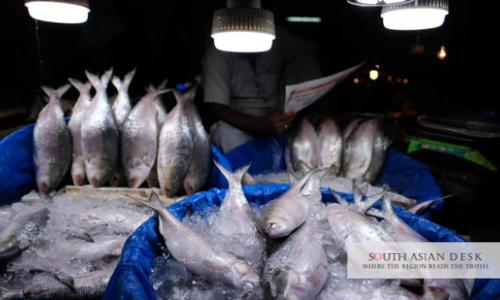
The hilsa fishing ban in Chandpur officially ended at 11:59pm on Thursday, allowing around 42,000 fishermen to cast their nets again in the Meghna and Padma rivers in the early hours of Friday, October 30. The government had imposed the 22-day restriction on October 8, covering the catching, selling and transporting of the fish, to protect mother hilsa and boost future production of Bangladesh’s national fish.
A 22-day pause for the breeding season
The annual restriction is designed to shield egg-bearing fish during the breeding season, when large numbers of hilsa move into the rivers to spawn. By keeping nets out of the water for several weeks, authorities hope to give the stock a chance to replenish, a goal the government links directly to higher catches in the years ahead.
For Chandpur, a district whose economy leans heavily on river fishing, the pause carries a considerable human cost. The roughly 42,000 fishermen who returned to the water on Friday had spent more than three weeks without their main source of income, a period local reports described as one of hardship.
Enforcement during the hilsa fishing ban
District Fisheries Officer Fakhrul Islam said authorities maintained strict monitoring throughout the restriction, with extensive drives conducted along the rivers to safeguard mother hilsa. According to a report by The Business Standard, those operations led to the seizure of about 2.75 tonnes of mother hilsa, along with fishing nets worth Tk2.71 crore, which were later destroyed. The same report said 161 cases were filed and that mobile courts collected approximately Tk4 crore in fines for violations of the ban.
Reports on the number of people held vary slightly by outlet. UNB, as carried by Dhaka Tribune, reported that 183 fishermen from Chandpur Sadar, Matlab Uttar and Haimchar were detained for catching mother hilsa in the Padma and Meghna sanctuaries during the period. The sanctuaries are stretches of river where fishing is restricted to protect the fish at their most vulnerable stage, and they are central to how the ban is policed.
Relief rice and the question of adequacy
To help those left without work, the government distributed 25 kg of relief rice to each unemployed fisherman. Many recipients, however, said the assistance fell short. Speaking to UNB on Thursday, fishermen from Saformali, Lalpur, Anandabazar, Baharia, Dokanghar, Ramdasdi and Harina Ferry Ghat said rice alone could not sustain their families through the weeks of the ban.
The complaint is not new. In previous years, fishermen in Chandpur have asked for cash support to accompany the grain, arguing that households have other expenses that rice cannot cover. The recurring criticism highlights a tension at the heart of the policy. The restriction is widely regarded as necessary for the long-term health of the fishery, yet the burden of enforcing that conservation falls on those least able to absorb it.
What fishermen expect after the ban
Attention now turns to what the rivers will yield. A trawler owner from Char Khondakar told BSS that hilsa catches in rivers and the sea had been lower than usual this year, although fishermen had benefited from higher prices. Another fisherman, Abdul Khaleque, told the agency that while the main hilsa season generally ends in October, fishermen usually bring in substantial quantities for about a week after the annual restriction is lifted.
That short window makes the first days after the ban particularly important for those hoping to recover lost earnings. Boat owners and crews have spent the closing hours of the ban repairing nets and preparing vessels so that they could return to the water immediately.
Balancing conservation and livelihoods
The end of this year’s hilsa fishing ban closes one chapter but leaves the larger policy questions in place. Officials point to enforcement figures as evidence that the rules are being taken seriously, while fishermen point to the strain the closure places on their households. Whether future seasons bring larger catches will determine how convincingly the conservation case can be made, and whether improved support for affected families can accompany it will shape how willingly communities along the Meghna and Padma rivers continue to comply.
Follow SouthAsianDesk on X, Instagram and Facebook for insights on business and current affairs from across South Asia.
Read More: