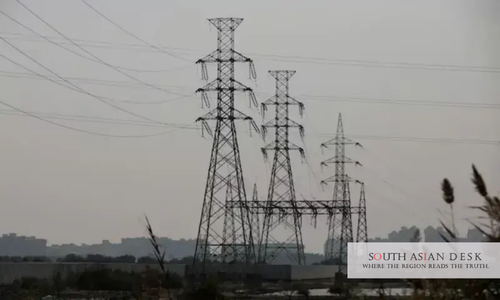
Dhaka air quality remained unhealthy on Monday morning, November 9, with the Bangladeshi capital recording an Air Quality Index (AQI) score of 162 at 8:40am. According to data reported by Dhaka Tribune, the reading placed Dhaka sixth among the world’s most polluted cities, highlighting the continuing challenge of air pollution in Bangladesh’s densely populated capital.
The ranking came as several South Asian cities occupied the highest positions on the global pollution list. Pakistan’s Lahore topped the rankings with an AQI score of 501, followed by India’s Kolkata at 192 and Delhi at 187. Dhaka’s reading of 162 placed it below these cities but firmly within the unhealthy air quality category.
The latest figures represent a slight improvement compared with the previous morning. At 8:40am on Sunday, Dhaka recorded an AQI score of 165 and ranked fourth among the world’s most polluted cities. Although the score declined by three points on Monday, the city’s air quality remained a concern for residents, particularly those who spend extended periods outdoors.
The readings underline the persistent air pollution challenges facing major South Asian urban centres, where exposure to polluted air has become an important public health and environmental issue.
Dhaka Air Quality Remains in the Unhealthy Category
Under the Air Quality Index classification system cited in the report, an AQI score between 151 and 200 is categorised as unhealthy. Dhaka’s reading of 162 therefore indicates that air pollution levels had moved beyond the threshold considered unhealthy only for particularly sensitive individuals.
The AQI is a standardised indicator used to communicate the level of air pollution and its potential effects on human health. Rather than measuring a single pollutant, the index incorporates readings from different pollutants to provide an overall assessment of atmospheric conditions.
An AQI score between 50 and 100 is considered moderate, indicating generally acceptable air quality, although some pollutants may pose concerns for unusually sensitive individuals. Readings between 101 and 150 are classified as unhealthy for sensitive groups, including children, older adults and people with existing respiratory or cardiovascular conditions.
The classification becomes more serious as pollution levels rise. Scores between 201 and 300 are considered very unhealthy, while readings above 301 fall into the hazardous category, indicating potentially severe health risks.
Dhaka’s Monday morning reading of 162 placed the city in the unhealthy category, suggesting that exposure to outdoor air could affect a broader section of the population rather than only particularly vulnerable groups.
Lahore, Kolkata and Delhi Lead Global Air Pollution Rankings
Dhaka’s position in the global rankings reflects a wider regional problem involving several heavily populated South Asian cities.
Lahore recorded an AQI score of 501 on Monday morning, placing it at the top of the list and within the hazardous category. Kolkata followed with a reading of 192, while Delhi recorded 187. All three cities experienced pollution levels that were higher than Dhaka’s reported score.
The concentration of highly polluted cities in South Asia highlights the environmental pressures facing the region’s major urban centres. Rapid urbanisation, increasing transportation demands, industrial activity and construction are among the factors commonly associated with urban air pollution. However, the individual contribution of these sources to Monday’s readings in Dhaka cannot be established from the reported AQI figures alone.
The comparison also demonstrates that air pollution is not confined to national boundaries. Atmospheric pollutants can travel across geographical regions, making cooperation on environmental monitoring and pollution reduction important for countries experiencing similar challenges.
While Dhaka ranked sixth globally on Monday, its position had been fourth the previous morning. Such changes illustrate how international pollution rankings can fluctuate over relatively short periods as atmospheric conditions and pollutant concentrations change.
What Causes Dhaka Air Pollution?
Air pollution in Bangladesh is a complex environmental issue involving several sources of emissions. In a densely populated city such as Dhaka, road traffic, construction activities, industrial emissions and the burning of fuels can all contribute to deteriorating air quality.
Fine particulate matter is particularly important when examining urban pollution. PM2.5 consists of particles with a diameter of 2.5 micrometres or less. Because of their extremely small size, these particles can penetrate deep into the respiratory system and, in some cases, enter the bloodstream.
PM10 refers to particulate matter with a diameter of 10 micrometres or less. These particles can enter the respiratory tract and contribute to irritation and other health problems.
In addition to particulate matter, Dhaka’s AQI calculations incorporate nitrogen dioxide, carbon monoxide, sulphur dioxide and ground-level ozone. These pollutants originate from different sources, including fuel combustion, vehicle emissions and industrial processes.
Nitrogen dioxide is commonly associated with traffic and the burning of fossil fuels, while carbon monoxide is produced through incomplete combustion. Sulphur dioxide is frequently linked to the burning of sulphur-containing fuels. Ground-level ozone forms through chemical reactions involving other pollutants in the presence of sunlight.
The combination of these substances makes air pollution difficult to address through a single intervention. Effective improvements require coordinated action involving transportation, industrial regulation, construction practices and environmental monitoring.
Health Risks Associated with Unhealthy Air Quality
The latest Dhaka AQI reading raises concerns about the potential health consequences of continued exposure to polluted air. Air pollution can affect both the respiratory and cardiovascular systems, with the severity of its effects depending on the concentration of pollutants, duration of exposure and an individual’s existing health conditions.
Children, older adults and people living with asthma, chronic respiratory illnesses or cardiovascular diseases are particularly vulnerable. Exposure to fine particulate matter can aggravate respiratory symptoms, contribute to inflammation and increase the risk of complications among individuals with existing health conditions.
However, unhealthy air quality is not exclusively a concern for vulnerable populations. At AQI levels between 151 and 200, the classification indicates that the wider population may also begin experiencing adverse effects.
Reducing prolonged outdoor exposure during periods of elevated pollution can help limit inhalation of harmful pollutants. People who must spend time outside may also benefit from properly fitted particulate-filtering masks, particularly when pollution levels are high.
Monitoring daily AQI readings is therefore important for residents, schools, workplaces and public health authorities. It allows individuals to make informed decisions about outdoor activities and helps institutions respond to changing environmental conditions.
Dhaka Faces Continuing Challenges in Tackling Air Pollution
The latest air quality figures highlight the need for sustained efforts to address Dhaka’s pollution problem. Although Monday’s AQI reading showed a marginal improvement compared with Sunday, the city remained within the unhealthy category and continued to feature among the world’s most polluted urban centres.
Addressing the problem requires more than short-term measures. Stronger emissions monitoring, effective enforcement of environmental regulations, improved public transportation and better management of construction-related dust could contribute to reducing pollution levels over time.
The role of industrial facilities and fuel consumption also requires attention, particularly where emissions are not adequately controlled. Furthermore, consistent air quality monitoring is necessary to identify pollution trends, assess the effectiveness of government interventions and provide residents with reliable information.
Dhaka’s ranking on Monday serves as another indication of the environmental pressures confronting Bangladesh’s capital. While the slight decline in its AQI score offers a limited improvement, the overall classification remains concerning.
Ultimately, improving Dhaka air quality will require sustained environmental management and coordinated action across multiple sectors. Without effective measures to control emissions and reduce exposure to harmful pollutants, the city’s residents will continue to face the health and environmental consequences of unhealthy air.
Follow SouthAsianDesk on X, Instagram and Facebook for insights on business and current affairs from across South Asia.