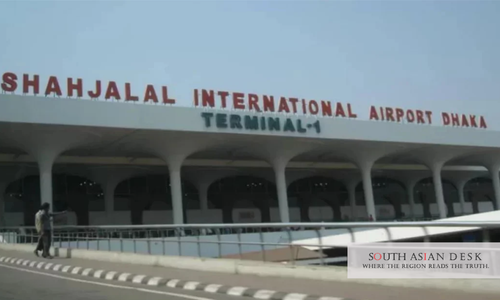
Bangladeshis deported from Europe are once again highlighting the growing risks associated with irregular migration, as another 44 nationals were sent back to the country from Greece and Cyprus on November 11, 2026. The latest group, comprising 40 individuals from Greece and four from Cyprus, arrived at Hazrat Shahjalal International Airport in Dhaka aboard a special chartered flight, amid increasingly strict European immigration policies and growing efforts to discourage undocumented migration.
According to immigration police and airport sources, the flight, numbered N05542, landed at approximately 9:15am on Wednesday. The returnees were received by representatives of BRAC’s Migration Programme, the Civil Aviation Security authorities and the Probashi Kallyan Desk, with officials from Bangladesh’s Ministry of Foreign Affairs also present.
The returning migrants received emergency assistance, food, counselling and financial support to help them reach their respective homes. The assistance was provided under the Protyasha-2 project, a joint initiative funded by the European Union (EU) and BRAC.
The latest deportations come less than three weeks after another 35 Bangladeshis were repatriated from Italy, Greece and Cyprus, highlighting the continuing difficulties faced by Bangladeshi nationals attempting to enter or remain in Europe without the necessary documentation.
Bangladeshis Deported from Europe as Greece and Cyprus Tighten Migration Controls
The return of 44 Bangladeshi nationals reflects the increasing scrutiny of irregular migration routes into Europe. According to Shariful Hasan, associate director of BRAC’s Migration Programme and Youth Platform, European countries have been strengthening their immigration enforcement measures, resulting in quicker returns of people entering through irregular channels.
Hasan warned that many prospective migrants continue to believe that reaching European territory, regardless of the route taken, will eventually provide them with opportunities to settle and work. However, the latest developments demonstrate the financial and personal risks associated with this assumption.
He also highlighted the dangers of crossing the Mediterranean Sea, where migrants frequently undertake hazardous journeys in overcrowded and often unsafe vessels. Such crossings have resulted in numerous deaths, with people attempting to reach European destinations through routes originating in North Africa.
Bangladeshis have remained among the most prominent nationalities using the Central Mediterranean migration route. Hasan noted that Bangladeshis had historically ranked among the leading groups entering Italy from Libya by sea. According to this year’s figures cited by him, they have also ranked first among those entering Greece from Libya through the Mediterranean.
The continued use of these routes has raised concerns among migration organisations, particularly because many individuals undertake the journeys after paying substantial sums to intermediaries and smugglers.
Irregular Migration to Europe Leaves Bangladeshi Families Facing Financial Losses
One of the most significant concerns surrounding irregular migration from Bangladesh is the amount of money prospective migrants spend in their attempts to reach Europe.
Hasan estimated that some individuals spend between Tk30 lakh and Tk40 lakh on irregular migration arrangements, only to be returned without securing the employment or residency opportunities they had anticipated.
The financial consequences can extend beyond the individuals undertaking the journey. In many cases, families borrow money, sell land or use their savings to finance migration arrangements. When a migrant is deported, the household may be left with substantial debt and limited means of recovering its investment.
The belief that reaching Europe by any means necessary will guarantee a better future has therefore become an important target of awareness campaigns conducted by migration organisations.
Hasan stressed that prospective migrants need to reconsider the assumption that irregular entry automatically leads to employment or legal residency. He urged people to acquire relevant skills and pursue recognised migration channels instead of relying on dangerous routes.
The latest group of returnees also included an individual who had previously used TikTok to encourage others to travel from Bangladesh to Europe through irregular channels, according to Hasan. The case illustrates how social media can influence migration decisions, particularly when individuals share misleading accounts of their experiences abroad.
BRAC Provides Reintegration Support Through the Protyasha-2 Project
Returning to Bangladesh after deportation can create significant economic and social difficulties. Many returnees face uncertainty regarding employment, financial stability and their ability to rebuild their lives after unsuccessful migration attempts.
To address these challenges, BRAC’s Migration Programme provides emergency assistance and longer-term reintegration support to individuals returning from Europe.
Under the Protyasha-2 project, jointly funded by the European Union and BRAC, the latest group received food and financial assistance at the airport. They are also expected to receive counselling, skills training and further economic support.
The programme is intended to help returnees reintegrate into their communities and identify opportunities to rebuild their livelihoods.
The involvement of Civil Aviation Security and the Probashi Kallyan Desk also reflects cooperation between non-governmental organisations and government institutions in managing the return and reception process.
Such assistance is particularly important for migrants who have spent substantial amounts on irregular journeys and return without the financial resources they initially expected to secure in Europe.
Around 5,000 Bangladeshis Returned Under European Repatriation Arrangements
The latest arrivals form part of a wider repatriation framework established between Bangladesh and several European countries.
In 2017, the Bangladesh government signed Standard Operating Procedure (SOP) agreements with European countries to facilitate the return of undocumented and irregular Bangladeshi migrants.
Under these arrangements, approximately 5,000 Bangladeshis have returned home so far. The returnees have included nationals sent back from Cyprus, Italy, Romania, France, Greece and Malta.
According to Hasan, Italy, Greece and Germany have accounted for the largest groups of Bangladeshis returning from Europe in recent years.
The October 23 repatriation of 35 Bangladeshis provides another example of the continuing implementation of these arrangements. That group included 19 individuals from Italy, 10 from Greece and six from Cyprus.
The repeated arrival of chartered flights carrying undocumented migrants indicates that repatriation remains an ongoing component of European migration cooperation with Bangladesh.
Europe Explores Legal Recruitment While Bangladesh Discourages Risky Migration
Alongside deportations, European countries have also begun taking steps to recruit Bangladeshi workers through legal and formal channels. This presents an alternative to irregular migration, although access to legitimate employment opportunities requires prospective workers to meet the relevant qualifications, documentation and recruitment requirements.
Bangladesh has also been conducting awareness campaigns to discourage dangerous migration practices and promote skills development. These initiatives aim to address the misconceptions that often encourage individuals to spend large sums on unauthorised migration arrangements.
The availability of legal recruitment opportunities could help reduce dependence on smugglers and informal intermediaries. However, ensuring that prospective workers can access reliable information, legitimate recruiters and transparent employment contracts remains essential.
For Bangladesh, overseas employment is an important source of household income and foreign exchange. Protecting prospective migrants from fraudulent recruitment arrangements and dangerous journeys is therefore both an economic and humanitarian concern.
Bangladesh’s Migration Challenges Extend Beyond Deportations
The return of another 44 Bangladeshis from Greece and Cyprus highlights the continuing challenges surrounding irregular migration and the consequences for individuals seeking employment and better living conditions abroad.
While the repatriation arrangements provide a mechanism for returning undocumented nationals, the wider issue cannot be addressed through deportations alone. The financial pressures driving migration, the influence of misleading information and the risks associated with informal recruitment networks require sustained attention.
The assistance provided through BRAC’s Protyasha-2 project offers returning migrants an opportunity to receive counselling, training and financial support. However, preventing further cases will also require accessible legal migration pathways and stronger awareness of the dangers associated with irregular travel.
As European countries continue tightening immigration controls while exploring formal recruitment arrangements, Bangladesh faces the challenge of ensuring that its citizens can pursue overseas employment without exposing themselves and their families to unnecessary financial and physical risks.
Follow SouthAsianDesk on X, Instagram and Facebook for insights on business and current affairs from across South Asia.