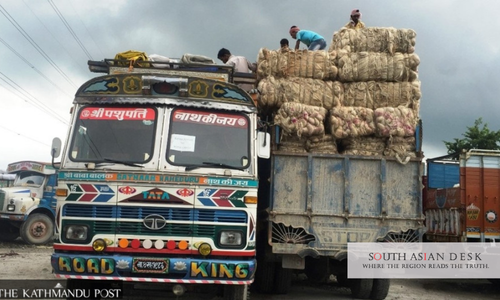
Nepal jute industry is facing mounting pressure after India increased anti-dumping duties on several categories of Nepali jute products, raising costs for manufacturers in the country’s largest export market. The higher charges, combined with the suspension of a government export subsidy in Nepal, are threatening the competitiveness of manufacturers in the eastern districts of Morang and Sunsari, where most of the country’s jute mills are concentrated.
India is the principal destination for Nepal’s jute exports, making the revised duties particularly consequential for local producers. The measures apply to products including hessian fabric, jute sacking bags, and jute yarn and twine. The revised rates vary according to the product and manufacturer, with some companies facing increases of several times their previous obligations.
A notification issued by India’s Ministry of Finance on September 24, 2026, amended the existing anti-dumping duty structure following a review. For Swastik Jute Mills in Biratnagar, the duty on hessian fabric exported to India increased from $8.18 to $132 per tonne. For Baba Jute Mills, the corresponding rate rose from $6.30 to $64 per tonne.
The increases have added to concerns about the future of an industry that generates billions of rupees in export earnings and provides employment to thousands of people. Industry representatives have called on Nepal’s government to raise the issue through diplomatic channels, arguing that a resolution will require engagement between Kathmandu and New Delhi.
Nepal Jute Industry Faces Growing Pressure in Its Biggest Export Market
The scale of the challenge is closely linked to the industry’s dependence on India. Nepal exported jute products worth Rs10.89 billion during the last fiscal year, with hessian fabric accounting for the largest share of shipments to the neighbouring country.
Exports of hessian fabric to India amounted to approximately Rs7.27 billion. Jute bag exports exceeded Rs2.74 billion, while rope exports were valued at around Rs880 million. These figures illustrate how heavily Nepali manufacturers rely on access to the Indian market.
The revised duties create a difficult choice for exporters. Manufacturers can pass the additional costs on to Indian buyers by increasing prices, but doing so could make their products less competitive against alternatives from other suppliers. Alternatively, they can absorb the higher charges themselves, reducing profit margins and leaving less money available for production, investment and wages.
Rajkumar Golchha, president of the Nepal Jute Industries Association, said the industry had repeatedly raised concerns about the duties with the government. He argued that the issue required a diplomatic understanding between the two countries and expressed hope that it would receive attention during the Nepali prime minister’s upcoming visit to India.
Golchha also questioned the basis for treating Nepali manufacturers as a significant competitive threat to India’s domestic jute industry. Nepal accounts for less than one percent of India’s total jute production, while Nepali manufacturers depend on India and Bangladesh for raw materials and spare parts.
Anti-Dumping and Countervailing Duties Add to Export Concerns
The pressure on Nepal’s jute sector is not limited to the revised anti-dumping duties. India has also been pursuing a separate investigation into countervailing duties on jute products imported from Nepal and Bangladesh.
Although the two measures are related to trade protection, they address different concerns. Anti-dumping duties are imposed when imports are found to be sold at prices below their normal value in a way that causes or threatens injury to domestic producers. Countervailing duties, by contrast, are intended to offset the effects of subsidies provided by a foreign government to its exporters or producers.
India’s Directorate General of Trade Remedies has recommended countervailing duties ranging from $54.77 to $60.54 per tonne on Nepali jute products, according to The Kathmandu Post. These recommendations form part of a separate trade investigation and should not be confused with the anti-dumping duties already revised through India’s September notification.
The Directorate General of Trade Remedies lists the countervailing duty investigation as covering jute products originating in or exported from Nepal and Bangladesh. Its published record includes final findings dated September 28, 2026. The distinction between the two proceedings is important because the potential financial burden on exporters could increase if additional duties are ultimately imposed.
For Nepali manufacturers, uncertainty surrounding both trade measures complicates business planning. Exporters must consider not only the duties currently applicable to their products but also the possibility of further costs affecting future shipments.
Withdrawal of Nepal’s Export Subsidy Deepens the Industry’s Difficulties
The increase in Indian duties comes at a time when Nepal’s jute manufacturers are also without a government export incentive that previously supported their competitiveness. The government had provided a four percent export subsidy on jute products, but the facility has been suspended for approximately a year and a half, according to Golchha.
The withdrawal has left manufacturers facing pressure on both sides of the border. While the cost of accessing their largest export market has increased, the domestic support previously available to offset some export-related expenses is no longer being provided.
Industry representatives argue that the government should consider restoring the subsidy while pursuing negotiations with India. However, they also recognise that a longer-term solution requires reducing the industry’s vulnerability to changes in trade policy in its principal export destination.
Finding alternative markets will not be straightforward. Nepal’s landlocked geography places its manufacturers at a logistical disadvantage compared with producers in India and Bangladesh, particularly when exporting to markets requiring access to seaports. Higher transportation costs can make Nepali products less competitive in third-country markets, limiting the industry’s ability to replace Indian buyers in the short term.
Higher Duties Threaten Jute Mills, Farmers and Employment in Eastern Nepal
The consequences extend beyond factory owners and export earnings. Nepal’s jute industry is closely connected to agricultural communities in districts such as Jhapa, Morang and Sunsari, where approximately 100,000 farmers are involved in jute cultivation and related activities.
The supply chain includes farming, processing, retting, washing, packaging and manufacturing. A sustained decline in factory demand could therefore affect people who depend on different stages of jute production, not just those directly employed by mills.
According to Golchha, the industry currently provides direct employment to between 10,000 and 14,000 workers, more than half of whom are women. A prolonged reduction in production or factory closures could place these jobs at risk and affect household incomes across eastern Nepal.
The number of operating mills has also declined. Golchha said that 12 jute mills had been operating in the Morang-Sunsari area until recently, but only six remain in operation. While the industry faces several challenges, the higher duties and withdrawal of export incentives have intensified concerns about its ability to sustain production.
The possible impact on farmers is particularly significant because jute cultivation depends on a functioning domestic processing and manufacturing network. If mills reduce purchases or scale back operations, growers may face difficulties finding buyers for their produce. The effects could consequently spread from industrial centres to rural communities.
Nepal Seeks Diplomatic Intervention to Protect Jute Exports
Industry representatives have urged Nepal’s government to pursue high-level discussions with India to address the revised duties. The Morang Industry Organisation has also called for diplomatic intervention, arguing that the increased charges could undermine the viability of Nepali exports.
A delegation from the organisation met Industry, Commerce and Supplies Minister Deepak Kumar Sah on September 27 and requested government action. Nanda Kishor Rathi, the organisation’s president, called for efforts through diplomatic channels to secure the removal of the duties.
Golchha has suggested that Nepal should give the jute sector the same level of attention that it has given to difficulties faced by the country’s tea industry. The appeal reflects concern that the industry’s dependence on a single major market leaves it especially exposed to external trade decisions.
The immediate challenge is to prevent further deterioration in the competitiveness of Nepali manufacturers while ensuring that workers and farmers are not left to bear the cost of the dispute. Diplomatic engagement could help address the immediate tariff concerns, while restoring domestic incentives and exploring additional export markets may provide longer-term support.
For Nepal, the issue is not simply about the cost of exporting jute products to India. The sector supports agricultural livelihoods, industrial employment and a substantial share of the country’s jute-related export earnings. Unless the trade dispute and domestic policy challenges are addressed, the pressure on eastern Nepal’s jute industry could extend well beyond its manufacturing facilities.
Follow SouthAsianDesk on X, Instagram and Facebook for insights on business and current affairs from across South Asia.
Read More: