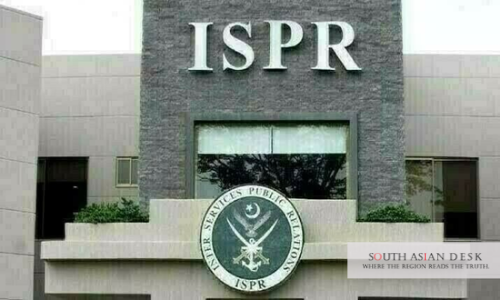
74 terrorists killed in separate intelligence-based operations across Khyber Pakhtunkhwa (KP) and Balochistan, according to a statement issued by the Inter-Services Public Relations (ISPR) on Friday, November 13. The operations targeted suspected militant hideouts in Mir Ali and Orakzai in Khyber Pakhtunkhwa, as well as the Kurram area of Quetta district in Balochistan. The military’s media wing reported that 43 militants were killed in KP over 48 hours, while another 31 were killed during operations in Balochistan that began on November 3.
The announcement comes amid continuing counterterrorism operations in Pakistan’s western provinces, where security forces have intensified efforts to dismantle militant networks and prevent further attacks. According to the ISPR, the operations involved multiple engagements with armed groups and resulted in the recovery of weapons, ammunition and explosives.
The military described the operations as part of its wider campaign against what it termed foreign-sponsored terrorism, reiterating its commitment to continuing counterterrorism efforts under the national initiative Azm-e-Istehkam.
74 Terrorists Killed in Intelligence-Based Operations Across Khyber Pakhtunkhwa
According to the ISPR, security forces killed 43 militants in separate intelligence-based operations across Khyber Pakhtunkhwa during the 48 hours preceding Friday’s announcement.
The operations were expanded to Mir Ali in North Waziristan and Orakzai district following intelligence reports concerning the presence of militant networks in the areas. Security personnel engaged multiple suspected militant locations, resulting in intense exchanges of fire.
The military’s media wing reported that 35 militants were killed in Mir Ali, while another eight were killed in Orakzai. It described the engagements as a significant setback for the networks operating in the affected areas.
The ISPR identified the targeted militants as members of what the state designates as Fitna al-Khawarij, a term used by Pakistani authorities for members of the banned Tehreek-e-Taliban Pakistan (TTP).
During subsequent sanitisation operations, security forces also recovered a substantial quantity of weapons, ammunition and explosives. The recovered materials reportedly included homemade explosives and improvised explosive devices (IEDs), which the military said could have been used in terrorist activities.
The ISPR added that clearance operations were continuing to locate any remaining militants in the affected areas. These operations are intended to ensure that suspected militant hideouts are cleared and that weapons and explosive materials are removed.
Balochistan Security Operation Results in 31 Militants Killed
Separately, the ISPR reported that security forces had killed 31 militants during an intelligence-based area sanitisation operation in the Kurram area of Quetta district, Balochistan.
The operation began on November 3 and involved engagements against multiple suspected militant hideouts. According to the military, troops targeted several locations during successive encounters, resulting in the deaths of 31 militants.
The ISPR described the targeted groups as belonging to Fitna al-Khawarij and Fitna al-Hindustan, terminology used by the Pakistani state for militant organisations it accuses of participating in terrorism and destabilisation activities.
Weapons, ammunition and explosives were also recovered from the targeted locations, according to the statement. The military said that further sanitisation operations were underway to locate and eliminate any remaining militants in the area.
The 31 fatalities reported in Balochistan, combined with the 43 reported in Khyber Pakhtunkhwa, brought the total number of militants killed in the operations to 74.
The military also reiterated its allegations of foreign sponsorship and support for militant networks operating in the country. Such allegations have been disputed by the countries concerned, and the military’s claims regarding external involvement have not been independently established in the announcement.
Weapons and Explosives Recovered During Counterterrorism Operations
Alongside the reported fatalities, the recovery of weapons and explosive materials was highlighted as a significant outcome of the operations.
In Khyber Pakhtunkhwa, the ISPR specifically mentioned the recovery of homemade explosives and improvised explosive devices. These materials are commonly associated with militant attacks targeting security personnel, law enforcement agencies and civilian infrastructure.
Improvised explosive devices can be assembled using readily available components and are frequently employed in insurgent and terrorist violence. Their recovery can help disrupt planned attacks and limit the operational capabilities of armed groups.
The military stated that the recovered weapons and explosives had been seized during sanitisation activities following engagements with militants. It maintained that the operations had disrupted the ability of the targeted networks to use these materials in future attacks.
However, the ISPR did not provide a detailed breakdown of the weapons and explosives recovered from each individual location.
Azm-e-Istehkam Counterterrorism Campaign to Continue
The military linked the latest operations to Azm-e-Istehkam, Pakistan’s broader counterterrorism initiative approved by the Federal Apex Committee on the National Action Plan.
The initiative is intended to strengthen coordination between security forces, intelligence agencies and civilian law enforcement institutions in addressing terrorism and internal security threats. It also forms part of the government’s wider efforts to improve the country’s security environment through intelligence-led action.
The ISPR stated that security forces and law enforcement agencies would continue counterterrorism operations at full pace to eliminate militant networks and prevent foreign-sponsored violence.
The latest announcement follows a series of similar operations in different parts of Pakistan. On November 1, security forces conducted separate intelligence-based operations in Balochistan’s Kachhi and Kharan districts, killing 17 militants, according to an earlier ISPR statement. One soldier was also martyred during those engagements.
The continued frequency of such operations highlights the security challenges facing Pakistan, particularly in areas bordering Afghanistan and regions affected by militant activity.
Rising Security Challenges in Pakistan’s Western Provinces
Khyber Pakhtunkhwa and Balochistan have remained central to Pakistan’s counterterrorism efforts due to persistent militant violence and attacks against security personnel and civilians.
In Khyber Pakhtunkhwa, the resurgence of the TTP has contributed to renewed security concerns, particularly in districts bordering Afghanistan and the former tribal areas. Militant attacks in these regions have targeted security installations, police personnel and government infrastructure.
Balochistan faces a separate but overlapping security challenge involving various armed groups operating in different parts of the province. The region has experienced attacks against security forces, infrastructure and civilians, alongside a longstanding insurgency.
The two provinces therefore require sustained security measures, intelligence cooperation and effective law enforcement to address the different forms of militancy affecting them.
The latest operations demonstrate the continued reliance on intelligence-based action as part of Pakistan’s counterterrorism strategy. While the military has described the reported deaths and weapons recoveries as significant setbacks for militant networks, the longer-term effectiveness of these operations will depend on whether they can prevent the re-emergence of armed groups and reduce attacks across the affected regions.
With sanitisation operations still underway in parts of Khyber Pakhtunkhwa and Balochistan, security forces have indicated that their campaign against militant networks will continue. The latest announcement brings renewed attention to the country’s internal security challenges and the continuing efforts to contain militant violence.
Follow SouthAsianDesk on X, Instagram and Facebook for insights on business and current affairs from across South Asia.