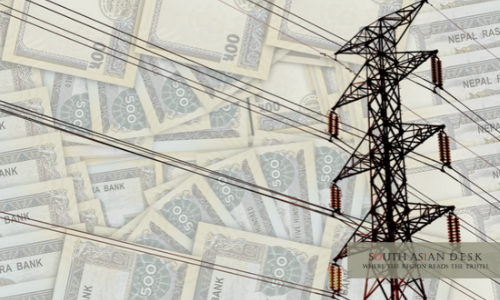
Nepal electricity exports have come to a standstill after the expiry of existing arrangements and the absence of timely Indian approval to sell power through the Indian Energy Exchange, leaving the country with hundreds of megawatts of surplus electricity each day. The disruption puts an estimated Rs135.82 million in potential daily revenue at risk for the state-owned Nepal Electricity Authority, according to a report by The Kathmandu Post.
Expired Authorisation Leaves Nepal Without a Route to Market
The authorisation to export 609 megawatts of electricity to three Indian states expired at the end of October. Under bilateral agreements, Nepal had been supplying 404 megawatts to Haryana and a further 205 megawatts to Uttar Pradesh and Bihar. When such medium-term power sale agreements lapse, the Nepal Electricity Authority has traditionally shifted the exports to the Indian Energy Exchange. This year, however, India has yet to approve that arrangement.
Dirghayu Kumar Shrestha, the authority’s managing director, said the utility submitted a proposal in August to convert the existing arrangements into exchange-based exports. Nearly three months later, no approval has been received from the Indian side. An official of the authority, speaking separately, blamed senior officials at the Energy Ministry and the utility for failing to act effectively and in time, despite knowing that the authorisation would expire in October. Mr Shrestha maintained that the request had already been sent well in advance.
Bangladesh Exports Also Halted
The difficulty is not confined to the Indian market. An additional 40 megawatts supplied to Bangladesh under a seasonal arrangement stopped on Sunday, when the export period expired. Nepal exports power to Bangladesh annually between 15 June and 15 November.
With 609 megawatts to India and 40 megawatts to Bangladesh on hold, the utility stands to forgo an estimated Rs135.82 million in daily revenue. The figure is based on an average export rate of 5.45 Indian rupees per unit, and it is equivalent to around INR 84.88 million per day.
Surplus Electricity Builds Up Across the Grid
The scale of the surplus is considerable. Nepal currently has approval to export around 1,169 megawatts to India and Bangladesh, of which 649 megawatts is covered by medium-term bilateral agreements and 521 megawatts by sales through the Indian Energy Exchange. Converting the bilateral volumes to exchange-based sales would allow Nepal to export more power whenever domestic generation exceeds demand.
The authority has been selling surplus electricity generated during the monsoon through the exchange’s day-ahead and real-time markets, where prices are determined competitively. According to the utility, the country is generating between 2,600 and 2,700 megawatts against domestic demand of roughly 2,200 to 2,300 megawatts. Consumption has also stayed relatively low because businesses and factories have yet to resume full operations after the Chhath festival, which has widened the gap further.
Not every unit of surplus electricity can be sold abroad. Mr Shrestha said the utility must hold between 200 and 300 megawatts in reserve to protect system security and prevent disruption to domestic supply if a major plant goes offline. A sudden outage at a large facility such as the 456 megawatt Upper Tamakoshi Hydropower Project would otherwise leave the grid exposed.
Winter Shortfall Raises the Stakes for Nepal Electricity Exports
The timing of the delay adds to its significance. Generation and export volumes are typically highest during the monsoon, when rivers carry greater volumes of water, but river flows begin to decline from the end of November. As hydropower output falls, the amount available for sale abroad shrinks with it.
During winter, domestic generation is expected to fall below demand, and Nepal will have to import electricity from India. The authority estimates that it will need to import around 500 megawatts continuously from mid-January to mid-March, with purchases rising to between 800 and 900 megawatts during peak-demand hours. The country therefore has a narrow window in which to earn revenue from its surplus before it becomes a net buyer.
What Happens Next for the Utility
For now, the outcome depends on whether Indian authorities grant the approval that the Nepal Electricity Authority requested in August. Each day without it means electricity that cannot be sold and revenue that cannot be recovered, since water that passes through a plant without generating power for a buyer cannot be stored for later use in the same way.
A quick approval would allow the utility to redirect its bilateral volumes to the exchange and capture value while river flows remain strong. A prolonged delay, by contrast, would deepen losses just as the season for easy exports draws to a close, and it would sharpen the debate in Kathmandu over who is accountable for a lapse that officials had seen coming.
Follow SouthAsianDesk on X, Instagram and Facebook for insights on business and current affairs from across South Asia.