Mountain climate action has found a place in the COP31 draft decision, after a proposal from Nepal, Bhutan and Kyrgyzstan to establish a dedicated programme on mountain regions and climate change was included in the text prepared for the UN climate conference in Antalya, Türkiye. The inclusion marks a notable step for countries that have long argued that the fragile ecosystems of high-altitude regions deserve more attention in global negotiations.
What the COP31 Draft Decision Proposes
The draft was prepared through consultations led by the COP31 presidency and is titled the Presidency-Led Party-Driven Cover Decision. It was circulated on Monday, and its text recognises the particular vulnerability of mountain ecosystems and glacier-dependent communities to global warming.
Paragraph 31 sets out the central proposal, which is a separate programme of work on mountain regions and climate change. According to the draft, the programme would improve scientific understanding of mountain regions, assess climate impacts and strengthen adaptation and disaster risk-reduction measures. The text also proposes making mountain regions and climate change a regular item on the agenda of future Conferences of the Parties, and it calls for a high-level dialogue on the issue at COP32.
Dialogues Planned Under Successive Presidencies
Paragraph 32 of the draft welcomes dialogues on mountain regions and climate change during the 66th and 68th sessions of the subsidiary bodies of the UN climate convention. It goes further by encouraging continued discussions and regular high-level dialogues under successive COP presidencies, a provision that would give the subject a degree of continuity beyond a single summit.
The proposed dialogues are intended to bring the experiences and priorities of mountain countries, Indigenous Peoples and local communities into international climate policymaking. They are also expected to strengthen international cooperation on climate adaptation and resilience, an aim that carries particular weight for communities whose livelihoods depend on mountain water sources and ecosystems.
How Nepal, Bhutan and Kyrgyzstan Shaped the Proposal
Nepal, Bhutan and Kyrgyzstan jointly put forward their proposals at the start of COP31. Nepal and Bhutan advanced an initiative titled Impact of 1.5 Degrees Celsius of Temperature Rise on Mountain Regions, while Kyrgyzstan called for regular high-level dialogues on mountain regions and climate change to be institutionalised. The draft decision reflects both strands, combining a programme of work with a recurring dialogue process.
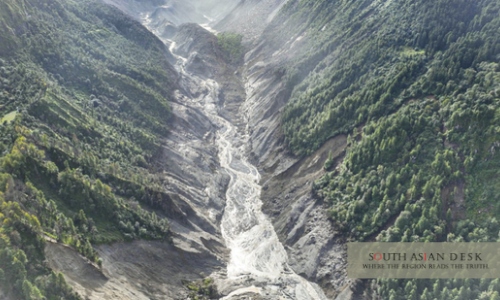
The three countries are seeking greater international attention to several pressing concerns. These include the accelerating retreat of glaciers, the rising risk of glacial lake outburst floods, threats to water resources, biodiversity loss and the growing frequency of climate-related disasters across the Himalayas and other mountain ranges. Each of these hazards can compound the others, which is why the proponents argue for a dedicated and sustained approach instead of occasional discussion.
Why Mountain Climate Action Matters for Nepal
For Nepal, the initiative forms part of a broader effort to ensure that the concerns of mountain countries feature more prominently in global climate negotiations. The country contributes negligibly to global greenhouse gas emissions, yet it faces disproportionate climate risks because of its fragile mountain ecosystems and the communities that depend on them. That imbalance has been a recurring theme in Nepal’s interventions at COP31, where it has urged climate justice for the Himalayas.
The appearance of mountain climate action in the COP31 draft decision does not yet guarantee its adoption. The text remains a draft, and its contents are subject to negotiation among the parties before any final agreement is reached. Even so, its presence in a presidency-led document suggests that the proposal has gained traction among those shaping the outcome of the conference.
What Comes Next for the Proposal
The coming days of negotiation will determine whether the programme of work, the standing agenda item and the high-level dialogue at COP32 survive in the final text. If they do, mountain regions and climate change would gain a more permanent place in the UN climate process, with regular opportunities for mountain countries to present evidence and press for support. For Nepal, Bhutan and Kyrgyzstan, that outcome would represent the realisation of a goal they brought to Antalya at the very start of the conference, and a signal that the vulnerabilities of the world’s mountain regions can no longer be treated as a peripheral issue.
Follow SouthAsianDesk on X, Instagram and Facebook for insights on business and current affairs from across South Asia.