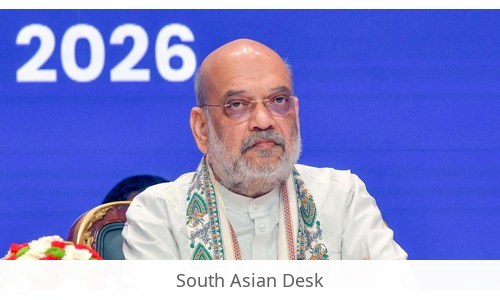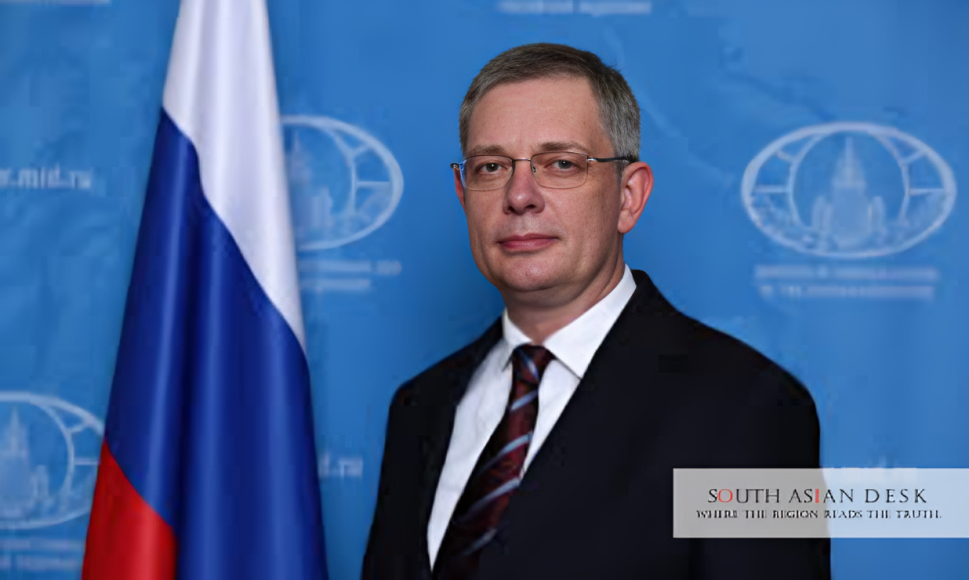
Russian ambassador Denis Alipov described India-Russia ties as time-tested and future-oriented in an interview on Monday. He spoke ahead of President Vladimir Putin’s planned December visit to New Delhi for the annual summit. The discussion covered trade growth, energy security, and defence cooperation. Alipov emphasised mutual benefits in a multipolar world. This comes as bilateral trade hit $70 billion.
These ties matter for South Asia. They secure India’s energy needs amid global volatility. Strong defence links enhance regional stability. The partnership counters external pressures and promotes equitable growth. It aligns with India’s self-reliance goals under Atmanirbhar Bharat.
Celebrating 25 Years of Russia India Strategic Partnership Ambassador
India and Russia marked 25 years of their strategic partnership last month. Russian ambassador on India Russia ties, Denis Alipov, called it a stabilising force in global affairs. He noted its role in economic development for both nations. The partnership began in 2000 as a special and privileged status. It remains unique, with no other country holding this designation from Russia.
Alipov highlighted shared values earned over decades. These include sincere friendship and comprehensive cooperation. The ties adjust to new requirements and stay competitive. Historical milestones underpin this bond. They span decolonisation support, the 1971 events, and joint military aid during crises.
In recent years, the partnership transcended global headwinds. It evolved through space exploration and nuclear projects. Alipov stressed its maturity into a special framework. December will mark the 15th anniversary of this elevated status.
Bilateral coordination at forums like G20, BRICS, and SCO reinforces trends. These efforts create a favourable environment for growth. Alipov said the partnership never stops expanding potentials in economic, scientific, and defence areas.
Prime Minister Narendra Modi met President Putin on the sidelines of the SCO Summit in Tianjin on 1 September. They discussed bilateral ties in economic, financial, and energy sectors. Regional issues, including Ukraine developments, featured prominently. Modi reiterated support for peace initiatives and urged swift conflict resolution.
Denis Alipov India Energy Cooperation Boosts Security
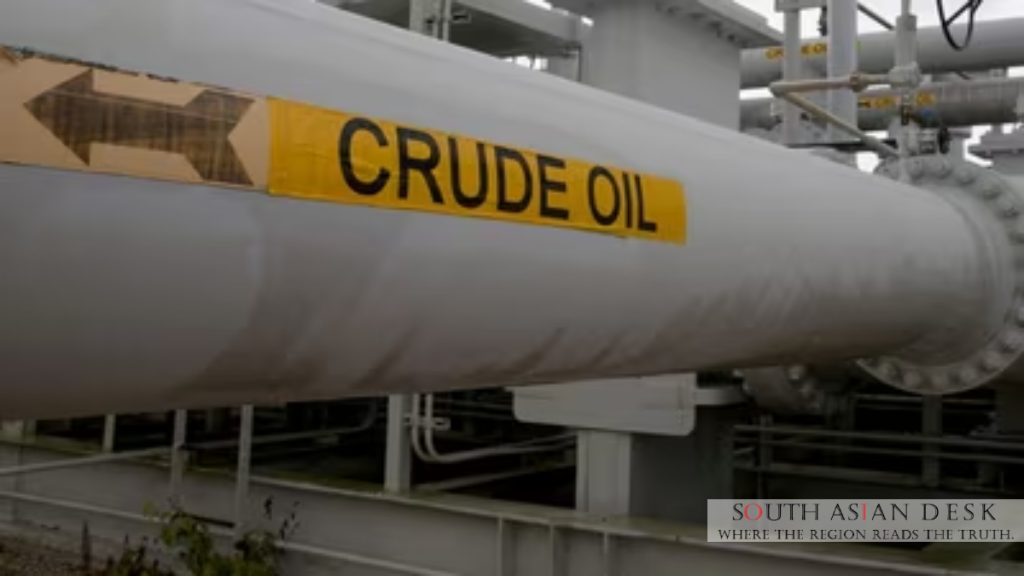
Denis Alipov India energy cooperation forms a pillar of the Russia India strategic partnership ambassador framework. Russia supplies over one-third of India’s crude oil imports. This ensures energy security for the world’s fastest-growing major economy.
Trade volume surged more than six times since 2022. It reached $70 billion, positioning Russia as India’s fourth-largest partner. Alipov aims for $100 billion by 2030. Key enablers include efficient payment systems and alternative currencies. Their share now exceeds 90 per cent.
Logistics corridors like the International North-South Transport Corridor (INSTC), Chennai-Vladivostok route, and Northern Sea Route support this. A free trade agreement with the Eurasian Economic Union looms large. Mutual investments and labour migration will expand market access.
New areas hold untapped potential. These encompass small modular reactors, blockchain, artificial intelligence, and Arctic cooperation. Energy transition efforts align with India’s green goals. Russian tankers and ice-class ships fit “Make in India” initiatives.
Civil nuclear ties shine through the Kudankulam project. Two of six blocks generate affordable energy. Future plans include localising small modular reactors. Non-energy nuclear uses and joint research target India’s 100 GW nuclear goal by 2047.
Alipov noted legislative upgrades, like amendments to the Civil Liability for Nuclear Damage Act, 2010. These pave the way for deeper collaboration.
In agriculture, a September meeting advanced ties. Union Agriculture Minister Shivraj Singh Chouhan hosted Russian Deputy Prime Minister Dmitry Patrushev on 26 September. Ambassador Alipov attended. They agreed to boost trade, balance imbalances, and enhance market access for Indian exports. Fertiliser shipments from Russia cover 25 per cent of India’s market. An MoU will formalise academic exchanges and technology transfers.
Putin India Visit Defence Ties Alipov Underlines Strength
Putin India visit defence ties Alipov views as a cornerstone of resilience. Russia remains the “weapon of choice” for Indian armed forces. Recent successes include Operation Sindoor’s BrahMos missile test. The S-400 system performed admirably.
Local Su-30MKI production thrives. India leads in AK-200 rifle manufacturing. Eight Talwar-class frigates delivered; two build in Goa. Technology transfers expand, including Su-57 fighter licensing. This accelerates India’s AMCA programme.
An October MoU between Hindustan Aeronautics Limited and Russia’s United Aircraft Corporation targets Sukhoi SJ-100 aircraft. India will produce these for domestic needs and emerge as a regional MRO hub.
Ahead of Putin India visit defence ties Alipov expects comprehensive summit talks. Traditional areas like nuclear power, space, and education will progress. The December agenda builds on decades-old bonds.
Alipov addressed sanctions’ impact. Russia adapted by freezing Western accounts and bypassing SWIFT. Indian banks minimised secondary sanction risks. He called unilateral measures tools of pressure that harm supply chains.
On the Ukraine conflict, Alipov appreciated India’s balanced stance. New Delhi opposes Western sanctions as illegitimate. Putin recently stated no self-respecting nation yields to pressure.
BRICS under India’s 2026 chairship gains Russia’s support. The group champions multilateralism and multipolarity. Initiatives like the New Development Bank and BRICS Clear advance financial ties.
Trade imbalances, at $60 billion in 2024, draw focus. Steps include inviting Indian manufacturers to Russia and joint ventures. Deputy PM Patrushev’s visit laid agricultural groundwork.
The issue of Indian nationals in the Russian army concerns both sides. Contracts were voluntary, despite advisories. A mechanism with India’s external affairs ministry resolves cases.
Background
Diplomatic relations date to 1947. Early cooperation aided India’s independence struggles. The 1971 Indo-Soviet Treaty of Peace, Friendship, and Cooperation marked a high. Post-Cold War, ties elevated to strategic partnership in 2000.
Trade balanced from energy imports to diversified flows. Defence pacts include joint ventures like BrahMos. Space collaboration spans Chandrayaan missions.
Recent summits, like the October BRICS in Kazan, reaffirmed commitments. Modi and Putin adopted the Kazan Declaration on sustainable development.
What’s Next
The December summit will chart the next decade. Expectations centre on FTA progress and defence tech transfers. Energy deals could lock in long-term supplies. BRICS expansion under India will amplify voices.
Russian ambassador on India Russia ties will anchor these efforts. Alipov envisions a partnership that shapes multipolarity. It prioritises UN Charter principles and equitable growth. As Putin visits, both nations eye $100 billion trade and beyond.
Published in SouthAsianDesk, November 9th, 2025
Follow SouthAsianDesk on X, Instagram, and Facebook for insights on business and current affairs from across South Asia.