Afghan repatriation from Pakistan has drawn renewed concern from the United Nations refugee agency as daily returns through the Torkham border crossing rise sharply following the expiry of a government deadline.
The UN High Commissioner for Refugees has warned that refugees and asylum seekers must not be forced to return to Afghanistan if their lives, freedom or basic rights may be at risk. The agency has urged Pakistan to ensure that any return is voluntary, safe and dignified, particularly for vulnerable groups.
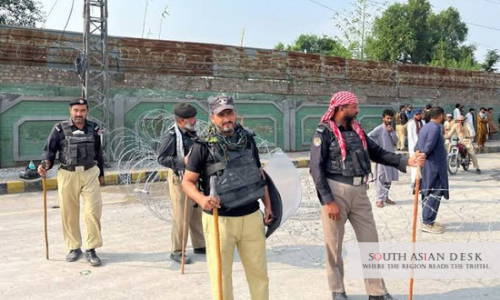
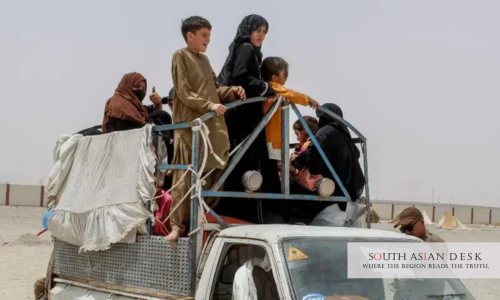
Officials at the Hamza Baba transit point in Landi Kotal said daily returns have exceeded 10,000 since Pakistan ordered Afghan nationals to leave the country by July 10. Local officials said the number of Afghans returning through the crossing had increased almost threefold compared with May and June.
Afghan repatriation from Pakistan accelerates after deadline
Afghan repatriation from Pakistan has accelerated amid fear of enforcement action against Afghans with and without identity documents.
Officials in Landi Kotal and Torkham said more Afghan nationals were heading to the border because of concerns over a possible crackdown. Authorities expect the number of returnees to rise further in the coming days as government departments process verification and registration at transit points.
The latest movement forms part of Pakistan’s wider repatriation policy, which has been implemented through the Illegal Foreigners Repatriation Plan since November 2023. According to UNHCR figures cited in the report, about 2.56 million Afghans have returned to Afghanistan since the start of the plan, including 260,000 deported by immigration authorities for overstaying in Pakistan without legal travel documents.
UNHCR says around 900,000 Afghan refugees and asylum seekers remain in Pakistan. The size of that population makes any accelerated repatriation drive a major humanitarian and administrative challenge.
UNHCR warns against forced return of Afghans
UNHCR Pakistan spokesperson Qaiser Khan Afridi expressed concern over what the agency described as the government’s decision to forcibly send back Afghan refugees and asylum seekers.
The agency acknowledged Pakistan’s long history of hosting Afghans for more than four decades, but stressed that refugees should not be returned to a country where they could face serious threats. UNHCR said it was particularly concerned about women and girls returning to Afghanistan, where their human rights remain under severe pressure.
The agency also urged Pakistani authorities to exempt Afghans with continuing international protection needs from return. These include female heads of households, women and girls enrolled in educational institutions in Pakistan, ethnic and religious minorities, human rights defenders, journalists, performing artists and members of the transgender community.
These categories are significant because many Afghans who fled after the Taliban’s return to power in 2021 may face heightened risk if sent back. For such individuals, return is not simply a question of documentation. It may involve exposure to persecution, exclusion or severe restrictions on basic rights.
Refoulement risk central to humanitarian concern
UNHCR’s warning centres on the principle of non-refoulement, which protects people from being returned to a place where they may face persecution, torture or other serious harm.
Although Pakistan has repeatedly framed its policy as one aimed at undocumented foreign nationals, refugee agencies and rights groups have warned that mass or accelerated returns can place vulnerable people at risk if individual protection needs are not properly assessed.
The concern is especially acute for Afghans who may not have formal refugee documents but still face real dangers in Afghanistan. Lack of documentation does not necessarily mean absence of protection need. Many refugees and asylum seekers are unable to obtain or renew documents because of administrative, financial or political barriers.
A rights-sensitive repatriation process would require individual screening, access to information, protection safeguards and a mechanism for identifying people who may be at risk if returned.
Afghanistan faces pressure from mass returns
The repatriation drive comes as Afghanistan is already struggling with deep economic, humanitarian and social pressures.
UN officials have warned that Afghanistan is facing overlapping crises, including poverty, natural disasters, climate stress, international isolation and a large influx of returning refugees from neighbouring countries. Nearly six million people have returned to Afghanistan since 2023, mostly from Pakistan and Iran, while another roughly two million are expected to return this year.
Large-scale returns can strain communities that already lack jobs, housing, healthcare and basic services. Many returnees arrive with limited assets, uncertain legal status, disrupted education and few means of livelihood.
Aid cuts have made the situation more difficult. UN officials have said hundreds of medical centres in Afghanistan have shut because of funding shortages, reducing access to basic health services for millions of people. Food insecurity and malnutrition also remain serious concerns.
This context explains why UNHCR has urged caution. Returning people to a fragile environment without adequate support can deepen humanitarian suffering and increase instability on both sides of the border.
Women and girls face particular risks
UNHCR has singled out women and girls as a group facing particular risk in Afghanistan.
Since the Taliban returned to power, women and girls have faced severe restrictions on education, employment, movement and public participation. Girls remain barred from education beyond primary level, while women have been excluded from many forms of work and public life.
For Afghan girls studying in Pakistan, return may mean the loss of access to education. For women heading households, return can mean reduced access to income, mobility and protection. For activists, journalists and members of minority communities, the risks may be even more acute.
That is why UNHCR’s appeal focuses not only on whether people have documents, but also on whether return would expose them to harm. The agency’s position is that people with international protection needs should not be compelled to return.
Pakistan cites legal and administrative process
Pakistani officials have maintained that repatriation is being carried out under government policy and through legal and administrative procedures.
In Lower Mohmand, six Afghan families were repatriated after completing formalities, including identity verification and issuance of departure certificates. Officials said the process was organised and transparent and followed the policy for undocumented foreign nationals residing in Pakistan.
Pakistan has long argued that it has hosted Afghan refugees for decades despite its own economic and security challenges. The government has also cited concerns over undocumented migration, border management and internal security in support of stricter enforcement.
However, the latest UNHCR concern shows that the humanitarian dimension remains unresolved. Even if Pakistan insists on regulating undocumented foreign nationals, refugee protection standards require safeguards for people who may face danger if returned.
Border pressure likely to increase
The Torkham and Landi Kotal routes are likely to remain under pressure if returns continue at the current pace.
A daily flow exceeding 10,000 people creates major logistical demands. Authorities must manage registration, identity checks, transport, food, shelter, security, medical assistance and coordination with Afghan authorities across the border.
For families, the process can be distressing. Many Afghans have lived in Pakistan for years or decades. Some were born in Pakistan and have limited ties to Afghanistan. Others may be leaving behind schools, businesses, rented homes and social networks.
The burden is also felt on the Afghan side, where returnees may need assistance with shelter, documentation, livelihoods and reintegration.
Repatriation policy faces rights test
Afghan repatriation from Pakistan now faces a major rights and implementation test.
The government’s position is that undocumented foreigners must leave, while UNHCR’s position is that refugees and asylum seekers with protection needs should not be forced back to unsafe conditions. The gap between these positions will determine whether the process remains orderly and rights-sensitive or becomes a wider humanitarian crisis.
The most urgent question is whether Pakistan can identify and exempt vulnerable individuals before return. That includes people at risk because of gender, profession, ethnicity, religion, political profile or association with previous institutions.
The second question is whether returns will remain voluntary in practice. Fear of arrest, detention or forced deportation can make a formally voluntary return feel coercive, especially for families with no secure legal pathway to remain.
Humanitarian safeguards needed as returns rise
The surge in Afghan repatriation from Pakistan shows the scale of the challenge facing both Islamabad and humanitarian agencies.
Pakistan’s long hosting of Afghan refugees is widely acknowledged, but the current phase of returns has raised serious protection concerns. UNHCR’s warning highlights the need for safeguards that distinguish between ordinary immigration enforcement and the protection needs of refugees and asylum seekers.
As more Afghans move through transit points, the priority should be to prevent forced return of vulnerable people, ensure transparent screening and allow humanitarian agencies access to those who may need protection.
For Afghanistan, mass returns come at a time of fragile services, limited livelihoods and severe restrictions on women and girls. For Pakistan, the challenge is to manage migration policy without breaching humanitarian protection standards.
The next few days will be critical. If daily returns continue to climb, the issue will no longer be only a border management matter. It will become a deeper humanitarian test for Pakistan, Afghanistan and the international refugee protection system.
Published in SouthAsianDesk, July 12, 2026
Follow SouthAsianDesk on X, Instagram and Facebook for insights on business and current affairs from across South Asia.