Afghanistan Independence Day marks a pivotal moment in the nation’s history, as Afghanistan commemorated its 107th Independence Day on August 19, 2026, celebrating its liberation from British colonial rule in 1919. The anniversary, observed annually on August 19, serves as a cornerstone of Afghanistan’s historical significance of Afghanistan independence and its evolving Afghanistan national identity. This year’s celebrations, reported by Ariana News and The Indian Express, underscored the enduring importance of the date in shaping contemporary Afghan political discourse and regional relations with Afghanistan.
Afghanistan Independence Day: Historical Context
Afghanistan’s path to independence began with the Third Anglo-Afghan War (1919-1921), culminating in the Treaty of Rawalpindi in 1921, which formally recognized Afghanistan’s sovereignty. The 107th anniversary of Afghanistan’s independence is a testament to the nation’s resilience, symbolizing resistance to foreign domination. This historical legacy continues to influence Afghanistan’s geopolitical positioning, particularly in its relations with neighboring countries and international actors.
The Third Anglo-Afghan War, fought between May 1919 and August 1921, was a defining conflict in the country’s modern history. It arose from tensions over British influence in Afghanistan, particularly regarding the Durand Line, a border demarcation between Afghanistan and British India. The war ended with the Treaty of Rawalpindi, which granted Afghanistan full independence and recognized its sovereignty. This treaty marked the end of the British Empire’s direct control over Afghan affairs and established Afghanistan as a de facto independent state, though it remained a British protectorate until the final recognition of independence in 1921.
The legacy of this struggle is deeply embedded in Afghanistan’s national consciousness. The 1919 conflict is often cited as a symbol of resistance against foreign intervention, a theme that continues to resonate in contemporary political rhetoric. The anniversary of this event is not only a celebration of past achievements but also a reminder of the ongoing challenges Afghanistan faces in maintaining its sovereignty in a complex regional environment.
Current Celebrations and Sentiment
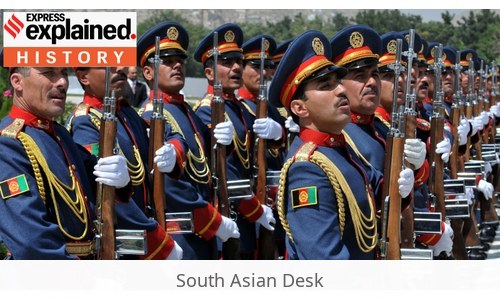
The 2026 commemorations featured military parades, cultural exhibitions, and public speeches emphasizing national unity. Ariana News highlighted government efforts to frame the anniversary as a reaffirmation of Afghanistan’s sovereignty amid ongoing regional challenges. The Indian Express noted that the celebrations also sparked debates about the country’s future direction, with some analysts linking the historical narrative to contemporary political movements.
The military parade held in Kabul on August 19 showcased Afghanistan’s armed forces, highlighting their role in safeguarding the nation’s independence. Cultural exhibitions displayed traditional Afghan art, music, and historical artifacts, reinforcing the connection between the past and present. Public speeches by officials emphasized the importance of unity and resilience, themes that are particularly relevant given the country’s recent political and security challenges.
The celebrations also provided a platform for political discourse. While the government sought to use the occasion to reinforce national unity, some analysts suggested that the anniversary could be leveraged to address pressing issues such as economic instability, security concerns, and the need for regional cooperation. The historical narrative of Afghanistan Independence Day, while a source of pride, also serves as a reminder of the challenges that lie ahead.
Regional Relations
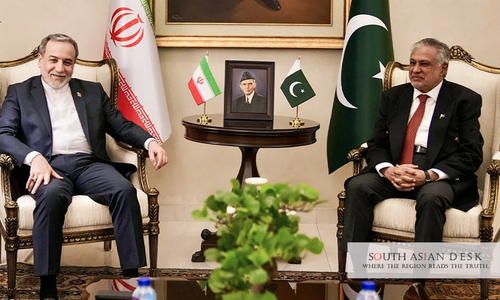
Afghanistan Independence Day carries implications for its foreign policy. The historical emphasis on sovereignty resonates in diplomatic engagements, particularly with Pakistan and Iran, where territorial disputes and cross-border tensions persist. Analysts suggest that the anniversary’s symbolism may influence negotiations on regional security and economic cooperation, though no formal statements were made by Afghan officials during the celebrations.
The relationship between Afghanistan and its neighbors has long been shaped by historical grievances and strategic interests. The Durand Line, established in 1893, remains a contentious issue, with Pakistan asserting its claim to certain Afghan territories. This dispute has periodically flared into conflict, affecting regional stability. Similarly, Afghanistan’s relations with Iran are influenced by shared borders, cultural ties, and economic interdependence.
The commemoration of Afghanistan Independence Day may serve as an opportunity to reinvigorate dialogue on these issues. While the anniversary is primarily a domestic event, its symbolism can be harnessed to foster regional cooperation. However, the absence of formal statements from Afghan officials during the celebrations suggests that the immediate focus remains on internal affairs rather than external negotiations.
Follow SouthAsianDesk on X, Instagram and Facebook for insights on business and current affairs from across South Asia.
Sources
- Why Afghanistan celebrates its Independence Day on August 19 – indianexpress.com
- Saar: 107th anniversary of Afghanistan’s independence discussed – ariananews.af
Image: images.indianexpress.com