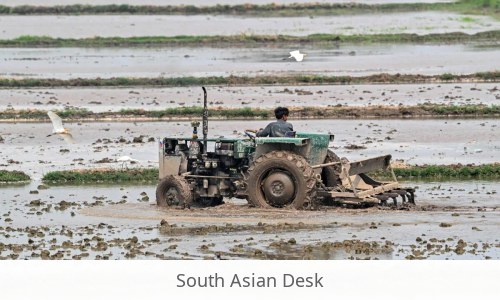
agricultural reforms Pakistan are crucial as Prime Minister Shehbaz Sharif emphasized that agriculture and livestock are vital to reviving Pakistan’s economy, contributing nearly a quarter of the GDP. The leader underscored the sector’s role in employment and economic stability, calling for urgent reforms to modernize farming practices and enhance exports. His remarks align with broader regional strategies aimed at enhancing food security and boosting exports across South Asia, reflecting a coordinated approach to economic revitalization in the region.
agricultural reforms Pakistan: The Role of Agriculture in Pakistan’s Economy
Agriculture employs over a third of Pakistan’s labor force and remains the largest source of livelihoods in the country. According to Dawn, the sector contributes significantly to national income despite facing challenges such as outdated infrastructure and limited access to technology. Sharif highlighted the need for policy interventions to sustain this critical economic pillar.
Historically, agriculture has been the backbone of Pakistan’s development, but its potential has been constrained by inefficiencies in irrigation systems, fragmented land ownership, and inadequate investment in research and development. These structural issues have hindered productivity gains and left the sector vulnerable to climate shocks and global market fluctuations. Sharif’s call for agricultural reforms Pakistan signals a recognition of the urgent need to address these systemic challenges to unlock the sector’s full potential.
Livestock’s Contribution to Economic Growth
Livestock accounts for more than 60% of the value addition in agriculture, with Pakistan ranking among the world’s largest milk producers. Dawn Business reported that the country has untapped potential in milk and meat exports, which could be leveraged through modernization and improved supply chain logistics. Sharif urged rapid adoption of technology to capitalize on this opportunity. The livestock sector’s significance extends beyond economic metrics; it is a cornerstone of rural livelihoods, particularly for smallholder farmers who rely on dairy and poultry for income.
However, the sector faces challenges such as low genetic quality of livestock, inadequate veterinary services, and limited access to cold storage facilities. Addressing these gaps through targeted investments in breeding programs, digital traceability systems, and cold chain infrastructure could position Pakistan as a major player in the global dairy and meat markets, aligning with regional efforts to strengthen South Asia’s agricultural exports.
Challenges and Opportunities in Modernizing Agriculture
The Prime Minister acknowledged the need for rapid adoption of modern technology to enhance productivity and competitiveness. While challenges such as resource allocation and infrastructure gaps persist, Sharif expressed confidence that targeted agricultural reforms Pakistan could boost exports and create employment within a year.
The government is reportedly exploring partnerships with international institutions to support these initiatives. Modernization efforts would require a multi-pronged approach, including the digitization of agricultural records, expansion of high-yield crop varieties, and the integration of precision farming techniques.
Such measures could not only increase output but also reduce post-harvest losses, which currently account for a significant portion of agricultural waste. Additionally, improving access to credit and insurance for farmers would mitigate risks associated with climate variability and market volatility, ensuring sustainable growth in the sector.
Regional and Global Context
The emphasis on agricultural reforms Pakistan is part of a broader regional dialogue on food security and economic resilience in South Asia. Neighboring countries have also prioritized agricultural modernization, with initiatives ranging from India’s focus on doubling farmers’ income to Bangladesh’s investments in rice and shrimp exports.
Sharif’s vision for Pakistan’s agricultural sector aligns with these regional trends, emphasizing the need for cross-border collaboration on trade policies, technology transfer, and climate adaptation strategies. By positioning itself as a hub for agricultural innovation, Pakistan could strengthen its economic ties with regional partners and attract foreign investment in agri-tech and sustainable farming practices.
Follow SouthAsianDesk on X, Instagram and Facebook for insights on business and current affairs from across South Asia.
Sources
- Barren reforms – dawn.com
- Agriculture can revive economy quickly: PM Shehbaz – dawn.com
Image: i.dawn.com