Bangladesh beach resort fire killed at least 10 people at Tuptup Resto & Resort near Inani Beach in Cox’s Bazar on October 17, 2026, after flames rapidly engulfed the three-storey wooden building. Several other people were injured, while the tragedy prompted renewed scrutiny of fire-safety standards and regulatory enforcement at tourist establishments across the popular southeastern coastal district.
The fire broke out early on Saturday morning while many guests were reportedly asleep. The resort, located in the Patuartek area near Inani Beach in Ukhiya, was largely destroyed as the blaze spread through its combustible structure. Fire Service and Civil Defence officials said the property had been operating without a valid fire-safety licence.
The incident has raised serious questions about how a resort identified as hazardous could continue receiving visitors. Officials said an inspection in June had resulted in a warning, but the establishment remained operational. A five-member investigation committee has been formed to determine the cause of the fire and examine possible regulatory failures.
The deaths have also highlighted the risks faced by tourists staying in buildings that lack adequate fire-prevention equipment, warning systems and emergency evacuation arrangements.
Bangladesh Beach Resort Fire Raises Questions About Safety Standards
The fatal blaze occurred at Tuptup Resto & Resort, a three-storey establishment constructed mainly from wood and other combustible materials. The building’s construction is believed to have contributed to the rapid spread of the fire, although investigators have yet to establish the precise cause.
According to Bangladesh’s Fire Service and Civil Defence, the resort was operating without the required fire-safety licence. Officials also reported deficiencies in fire-protection arrangements, including a lack of adequate extinguishers and other essential equipment.
The Fire Service’s director general, Brigadier General Sultanul Afreen Junaid, said the establishment had been inspected in June and identified as hazardous. Authorities reportedly issued a notice warning about the risks, but the resort continued operating.
The revelation has intensified concerns about the enforcement of fire-safety regulations in Cox’s Bazar, where numerous hotels, restaurants and resorts serve domestic and international visitors.
A valid licence and regular safety inspections are important safeguards, but their effectiveness depends on whether businesses comply with corrective measures and authorities ensure that serious deficiencies are addressed. Where buildings remain open despite documented risks, guests may be exposed to hazards they cannot easily identify themselves.
The investigation will need to establish what measures were required after the June inspection, whether the warnings were followed up and why the resort remained open before the fatal incident.
Fire Spreads Rapidly Through Wooden Resort Near Inani Beach
The fire broke out early in the morning, when many guests were asleep and had limited time to respond. The building’s wooden structure allowed the blaze to spread rapidly, making escape difficult for some occupants.
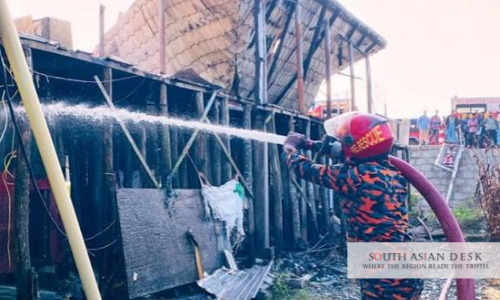
Fire Service officials said they received information about the incident at approximately 7:25 a.m. Two firefighting units from the Ukhiya station were dispatched to the scene, arriving at around 8 a.m. The fire was subsequently brought under control, with officials confirming that the building had been extensively damaged.
Rescue workers recovered 10 bodies from the resort. Some victims were found in rooms, while others were discovered in bathrooms, where they may have sought shelter from the flames. The severity of the fire made identification difficult for some of the deceased.
Reports from local authorities indicated that several people were injured, although early accounts differed on the number. The precise casualty figures should therefore be treated according to the latest official updates rather than preliminary reports.
The cause of the blaze has not been conclusively established. Initial accounts raised the possibility of an electrical fault or a fire originating in the kitchen, but neither explanation should be considered confirmed until the investigation is complete.
Cox’s Bazar Resort Fire Highlights Regulatory Failures
The Cox’s Bazar resort fire has brought the enforcement of safety regulations into sharp focus. Fire Service officials said the resort lacked a valid fire-safety licence and had previously been warned about its hazardous condition.
The case raises questions about inspection procedures, licensing requirements and the mechanisms available to authorities when businesses fail to address identified risks.
Fire-safety regulations are intended to reduce the likelihood of a fire and limit its consequences if one occurs. Depending on the building and applicable requirements, protective measures can include smoke detectors, alarm systems, extinguishers, accessible escape routes, emergency lighting and appropriate firefighting equipment.
Buildings constructed mainly from combustible materials require particular attention to prevention and evacuation planning. Where guests are unfamiliar with the premises, clear exits and functioning warning systems can be critical to ensuring that people escape safely.
Authorities will need to examine whether the resort met applicable building and fire-safety requirements, whether its previous inspection led to sufficient enforcement and whether further action could have prevented the tragedy.
The five-member investigation committee is expected to examine the circumstances of the incident and possible regulatory failures. Its findings may help determine whether responsibility rests with the resort’s management, oversight authorities or a combination of factors.
Until those findings are available, it would be premature to assign definitive blame for the deaths.
Tourists Among the Victims of the Bangladesh Resort Fire
Tuptup Resto & Resort was located in a popular coastal destination that attracts visitors to the beaches of southeastern Bangladesh. The victims were reported to be tourists, and the deaths have caused grief among families and raised concerns about the safety of holiday accommodation.
Local reporting identified a Dhaka University student and five members of his family among those killed. Other victims were also reported to have been visiting the area.
The loss of multiple members of a family underscores the devastating consequences of a fire in accommodation where people may be asleep and unfamiliar with emergency exits.
Tourists often rely on hotels and resorts to provide safe premises, functioning alarms and clear evacuation procedures. They may have little knowledge of whether a property has been inspected or licensed, making regulatory oversight essential to public safety.
The incident is likely to prompt renewed attention to the responsibilities of accommodation providers, including their duty to maintain safe facilities and ensure that guests can respond quickly in an emergency.
For affected families, the immediate priorities include identifying the deceased, supporting injured survivors and obtaining clear information about the circumstances of the fire.
Fire Safety in Bangladesh’s Tourism Industry Under Scrutiny
Cox’s Bazar is one of Bangladesh’s best-known tourist destinations, with a long coastline, beach resorts and accommodation serving visitors throughout the year. Tourism supports local businesses and employment, but the sector’s growth also increases the importance of effective building oversight.
The fatal fire has raised concerns that some establishments may be operating without the necessary licences or adequate safety provisions. Fire Service officials have warned that similar risks may exist at other resorts and tourist facilities.
A strong regulatory system requires more than issuing notices after an inspection. Authorities must ensure that businesses correct identified deficiencies, maintain required equipment and demonstrate compliance before continuing to accommodate guests where serious risks exist.
Regular inspections should also be supported by clear records, transparent enforcement and meaningful consequences for repeated non-compliance. Businesses need to understand their obligations, while visitors should be able to expect that accommodation providers meet established safety standards.
The incident also highlights the importance of emergency preparedness. Staff training, evacuation drills, accessible exits and reliable alarm systems can make a critical difference when a fire breaks out, especially during the early morning when guests may be asleep.
Strengthening these safeguards would help reduce risks across the tourism sector and protect both visitors and employees.
Investigation to Establish Cause of the Inani Beach Fire
The investigation into the Bangladesh beach resort fire will focus on how the blaze began, how it spread and whether safety failures contributed to the loss of life.
Officials have formed a five-member committee to examine the incident and possible regulatory shortcomings. Investigators will need to establish whether the building’s electrical systems, kitchen facilities or other equipment played a role, while reviewing the resort’s licensing and inspection history.
The committee’s findings could have implications beyond the individual property. If the investigation identifies weaknesses in inspection procedures or enforcement, authorities may need to review safety compliance at other hotels and resorts in the district.
Any subsequent action should be guided by the evidence gathered during the investigation. Establishing the cause of the fire and determining whether existing regulations were violated will be essential to accountability and preventing similar incidents.
Authorities may also need to assess whether additional inspections are required at other properties that use combustible construction materials or lack adequate fire-protection systems.
Bangladesh Beach Resort Fire Serves as a Warning
The deadly blaze at Tuptup Resto & Resort has exposed the potentially fatal consequences of inadequate fire-safety compliance at tourist accommodation. Ten people lost their lives, several others were injured and the resort was largely destroyed.
The reported absence of a valid fire-safety licence, combined with an earlier warning that the building was hazardous, has raised urgent questions about enforcement and accountability. The investigation will need to establish why the resort remained operational and whether the required safety measures could have reduced the death toll.
For Bangladesh’s tourism industry, the incident is a reminder that visitor safety must be treated as a fundamental responsibility rather than a regulatory formality. Effective inspections, functioning alarms, appropriate firefighting equipment and clearly planned escape routes are essential protections.
The immediate task is to establish the facts, support those affected and determine responsibility where failures are identified. Longer term, the tragedy may provide an opportunity to strengthen fire-safety oversight across Cox’s Bazar and other tourist destinations.
Preventing another such disaster will require authorities and business operators to turn safety warnings into effective action before lives are put at risk.
Follow SouthAsianDesk on X, Instagram and Facebook for insights on business and current affairs from across South Asia.