Bangladesh measles outbreak has continued to spread despite a nationwide vaccination campaign, with health officials reporting hundreds of new suspected and confirmed infections each day.
According to DGHS figures cited in the latest local reports, 807 suspected measles cases and 80 confirmed cases were recorded in the 24 hours to 8:00 AM on Sunday, June 21, 2026. The same figures listed 91,789 suspected cases and 10,949 confirmed infections since mid-March, while the headline tally reported 124,738 infected and suspected cases.
Bangladesh Measles Outbreak Still Driving Hospital Admissions
Seven more children died with measles-like symptoms in the latest 24-hour period, taking the reported death toll from the ongoing outbreak to 677. This includes 93 confirmed measles-related deaths and 584 deaths involving measles-like symptoms.
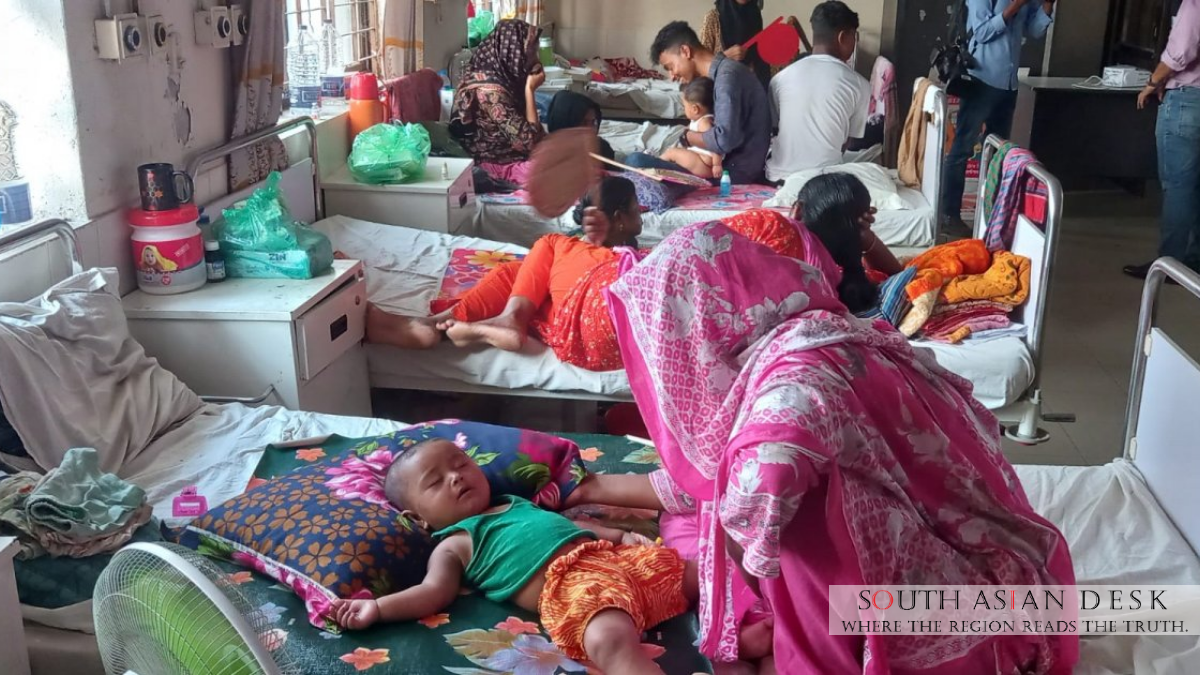
Hospital pressure also remains high. DGHS data cited in local reporting showed 807 patients with measles or measles-like symptoms were admitted in the latest 24-hour period. Since mid-March, 75,902 patients have received hospital care, most of them children.
Daily hospital admissions have remained above 800 for most of June, except for one reported dip on Saturday, June 13, 2026.
Bangladesh Measles Outbreak Linked To Immunisation Gaps
WHO earlier said Bangladesh notified it of a nationwide rise in measles cases on Saturday, April 4, 2026, with transmission affecting 58 of 64 districts across all eight divisions.
The outbreak has mainly affected young children. WHO said children under five accounted for most reported cases in April, while deaths were largely among unvaccinated children under two.
Public health experts have linked the prolonged spread to uneven vaccination coverage, children missed by routine immunisation and weak infection-control measures in hospitals and communities.
Vaccination Campaign Expanded Nationwide
The government launched an emergency measles-rubella vaccination campaign on Sunday, April 5, 2026, starting in 30 high-risk upazilas across 18 districts.
The drive was later expanded to four city corporations and then scaled up nationwide. WHO and UNICEF said the campaign targeted children aged six months to five years, particularly those who had missed routine immunisation.
Local reports said more than 18.4 million children had been vaccinated by Tuesday, May 20, 2026, exceeding the initial target. Health officials said the impact may take time because immunity develops after vaccination.
Background
Measles is a highly contagious airborne viral disease that spreads when an infected person breathes, coughs or sneezes. UNICEF says the virus can remain in the air or on surfaces for up to two hours.
Symptoms can include high fever, cough, runny nose, red and watery eyes, and a rash. Severe complications may include pneumonia, diarrhoea, blindness, brain swelling and death, especially among young or unvaccinated children.
What’s Next
Health authorities are expected to continue vaccination, surveillance, hospital preparedness and outreach to children still outside the vaccination net.
Experts have urged door-to-door vaccination efforts, updated local micro-plans and stronger isolation measures to slow transmission. The Bangladesh measles outbreak remains a major child-health emergency as new infections continue despite the vaccination drive.
Published in SouthAsianDesk, June 21, 2026
Follow SouthAsianDesk on X, Instagram and Facebook for insights on business and current affairs from across South Asia.