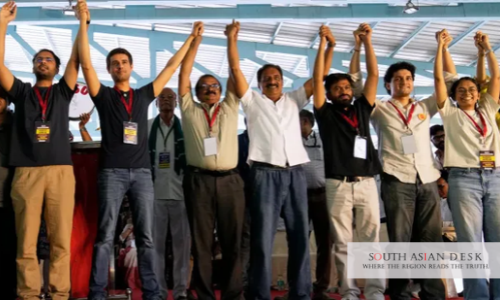
Bengaluru protests erupted as large-scale demonstrations against Chief Election Commissioner Gyanesh Kumar were organized by the CJP, AISA, and other student groups. The Bengaluru protests demanded an overhaul of India’s electoral system, with prominent figures like Dipke and Dhruv Rathee participating in a ‘People’s Tribunal.’ Fresh FIRs have been filed against Rahul Gandhi and Priyanka Gandhi in connection with the protests, escalating tensions ahead of upcoming elections and highlighting the need for electoral reform in India.
Bengaluru Protests: Implications for Upcoming Elections
The Bengaluru protests have raised questions about the credibility of the electoral commission, with opposition parties alleging systemic bias in the conduct of elections. Analysts note that the timing of these demonstrations—just months before critical state elections—could influence voter sentiment and electoral strategies. The opposition’s focus on electoral reform may also divert attention from broader policy debates, potentially reshaping the political landscape. The Bengaluru protests, which have drawn significant public attention, underscore the growing dissatisfaction with the current electoral framework and the perceived lack of transparency in the process.
Role of Student Organizations
Student organizations like AISA have played a pivotal role in mobilizing youth participation in the Bengaluru protests. Their demands for transparency in voter registration and ballot counting reflect growing concerns about electoral integrity. The involvement of university students underscores the generational shift in political engagement, with younger voters increasingly prioritizing institutional accountability. These protests have also highlighted the importance of youth voices in shaping electoral reform in India, as student leaders argue that the current system fails to address their needs and concerns.
Legal Ramifications of FIRs
The FIRs against Rahul and Priyanka Gandhi, filed under sections related to public disturbance and obstruction of justice, carry potential legal consequences. Legal experts suggest these charges could be used to deter opposition activism, though the Supreme Court has historically upheld the right to peaceful protest. The legal battle may set precedents for how electoral disputes are handled in future elections. The Bengaluru protests have further intensified scrutiny of the Chief Election Commissioner Gyanesh Kumar, with critics arguing that the FIRs against the Gandhi siblings are politically motivated. This situation has sparked debates about the balance between law enforcement and the right to protest, especially in the context of electoral reform in India.
The People’s Tribunal and Public Discourse
The ‘People’s Tribunal’ organized by Dipke and Dhruv Rathee protests has become a focal point for public discourse on electoral integrity. This platform has allowed citizens to voice their concerns about the electoral process, including allegations of voter suppression and irregularities in ballot counting. The tribunal’s proceedings have drawn attention to the need for electoral reform in India, emphasizing the importance of an independent and transparent electoral commission. The involvement of such prominent figures has amplified the reach of the result, bringing the issues of electoral reform to a wider audience.
Political Tensions and Electoral Reforms
The protests have intensified political tensions, particularly between the opposition and the ruling party. The fresh FIRs against Rahul Gandhi and Priyanka Gandhi have been seen as an attempt to quell dissent and maintain the status quo. However, the opposition argues that these actions are a distraction from the real issues facing the country, including the need for electoral reform in India. The protests have also highlighted the role of the Chief Election Commissioner Gyanesh Kumar in shaping the electoral landscape, with critics calling for his resignation and a complete overhaul of the electoral system.
Conclusion
The protests have become a significant event in the ongoing discourse on electoral reform in India. With the involvement of prominent figures like Dipke and Dhruv Rathee, and the filing of FIRs against Rahul Gandhi and Priyanka Gandhi, the situation has escalated tensions ahead of the upcoming elections. The protests underscore the need for a transparent and accountable electoral system, with the result serving as a catalyst for broader discussions on electoral reform in India. As the political landscape continues to evolve, the outcome of these protests may have lasting implications for the future of Indian democracy.
Follow SouthAsianDesk on X, Instagram and Facebook for insights on business and current affairs from across South Asia.
Sources
- CEC row LIVE: Dipke, Dhruv Rathee join Bengaluru’s ‘People’s Tribunal’ against SIR; Fresh FIRs against Rahul Gandhi, Priyanka Gandhi as protests intensify – thehindu.com
- INDIA Bloc Protest Live Updates: Case Against Rahul, Priyanka Gandhi For “Misconduct” During Delhi Protests – ndtv.com
- Rahul Gandhi, Opposition MPs Detained During Protest Over India Voter Rolls – khaama.com