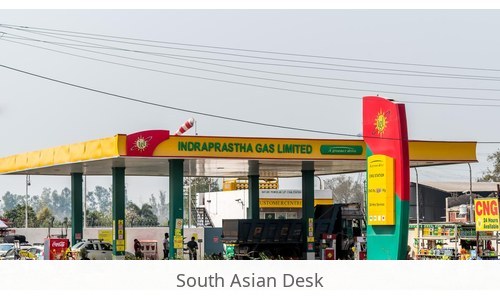
CNG price increase Delhi: On 2026-08-29, The Hindu reported that Delhi fuel prices have risen by ₹3.89 per kilogram, bringing the new price close to ₹87 per kg. This marks the fifth price increase since the onset of the US-Iran conflict, according to the publication. Indraprastha Gas Limited (IGL) cited the US-Iran war as a factor behind the rising CNG prices, as reported by NDTV.
CNG price increase Delhi: Implications for Transportation Costs
The increase in CNG prices is expected to raise transportation costs Delhi for both consumers and businesses in Delhi. With CNG being a primary fuel source for public transport and private vehicles, the price hike may lead to higher fares for commuters and increased operational expenses for logistics companies. This could potentially influence consumer behavior, with some opting for alternative fuels or reducing non-essential travel. The ripple effects extend to the broader transportation sector, where fleet operators and ride-sharing services may face margin compression, prompting them to reassess cost structures or pass on expenses to end-users. For instance, Delhi’s metro system, which relies heavily on CNG-powered buses and trains, may need to adjust its budgetary allocations or explore hybrid energy solutions to maintain service continuity. Similarly, private vehicle owners, particularly those in the informal transport sector, could face reduced profitability, potentially leading to higher fares for passengers or reduced service availability in certain areas.
Broader Economic Impact
The rise in CNG prices reflects the broader impact of energy market fluctuations on South Asia’s economy. Elevated LNG prices, driven by geopolitical tensions, have created ripples across regional markets. Businesses reliant on CNG for operations, such as transportation and manufacturing, may face increased production costs, which could contribute to overall inflation in the region. This phenomenon is not isolated to Delhi but is part of a larger trend affecting energy-dependent economies in South Asia. For example, neighboring countries like Pakistan and Bangladesh, which also rely on imported LNG, have experienced similar price pressures in recent months. The interconnectedness of regional energy markets means that disruptions in one area—such as the US-Iran conflict—can have cascading effects on fuel prices across the subcontinent. Additionally, the reliance on imported LNG underscores the vulnerability of South Asian economies to global geopolitical dynamics, highlighting the need for diversification in energy sourcing strategies.
Government Responses
The Indian government has not yet announced specific measures to address the rising fuel prices. However, potential responses could include subsidies or price controls to alleviate the burden on consumers. Long-term energy policy adjustments, such as diversifying energy sources or investing in domestic production, may also be considered to mitigate the impact of global market volatility. The absence of immediate intervention raises questions about the government’s preparedness for such shocks, particularly given the frequency of recent price hikes. In the past, the government has implemented temporary subsidies during periods of fuel price surges, but such measures often come with fiscal constraints. The current situation may also prompt a reevaluation of India’s energy security strategy, including increased investment in renewable energy infrastructure or enhanced domestic gas production to reduce dependency on imported LNG. Additionally, the government could explore partnerships with regional neighbors to establish shared energy corridors or regional pricing mechanisms that stabilize fuel costs across South Asia.
Contextualizing the Price Hike
The CNG price increase Delhi is part of a broader pattern of energy market fluctuations that have persisted since the onset of the US-Iran conflict. This conflict has disrupted global oil and gas trade routes, leading to increased LNG prices and reduced supply availability. As a result, countries dependent on imported LNG, including India, have faced rising fuel costs. The situation is further exacerbated by the fact that India’s domestic gas production has not kept pace with demand, making the country reliant on imports for a significant portion of its energy needs. This dependency is particularly acute in urban centers like Delhi, where CNG is a preferred fuel due to its lower carbon footprint compared to diesel or petrol. The price hike, therefore, not only affects transportation costs Delhi but also raises environmental concerns, as higher fuel prices could lead to a shift back to more polluting alternatives if viable substitutes are not available.
Follow SouthAsianDesk on X, Instagram and Facebook for insights on business and current affairs from across South Asia.
Sources
- IGL hikes CNG prices by ₹3.89 per kg as LNG prices stay elevated – thehindu.com
- CNG Gets Costlier By Rs 3.89. New Price In Delhi Nears Rs 87 Per Kg – ndtv.com
Image: th-i.thgim.com