The satirical Cockroach Janta Party has turned online ridicule into a youth-led protest platform amid anger over jobs, exams and accountability in India.
Cockroach Janta Party supporters in India are using satire, petitions and planned protests to express youth anger over unemployment and education-system failures, after exam controversies and contested remarks about jobless young people pushed the online campaign into national attention.
Cockroach Janta Party grows from satire to protest
The Cockroach Janta Party, or CJP, has emerged as a viral youth-led movement in India, combining political satire with demands for accountability over unemployment, exam disruptions and education governance.
The movement is led by Abhijeet Dipke, who has presented CJP as a platform for young Indians frustrated by joblessness and repeated failures in competitive and school examination systems. It is not clear whether the group is registered as a political party with the Election Commission of India.
The group’s name has been linked to widely reported remarks attributed to Chief Justice of India Surya Kant, in which unemployed youth were allegedly compared to “cockroaches”. The Chief Justice later reportedly said his oral observations had been misquoted and were not intended as a general insult to unemployed young people.
What began as an online response has since become a broader campaign. The movement has used humour, internet language and an insect mascot to frame young Indians as people ignored or dismissed by institutions, while arguing that their concerns over jobs and exams deserve political attention.
Cockroach movement targets exam accountability
CJP’s immediate campaign has focused on India’s education system, particularly controversies around examinations. The movement has demanded the resignation of Union Education Minister Dharmendra Pradhan, citing anger over alleged examination failures and marking disputes.
India’s testing system has faced renewed scrutiny in 2026. The National Testing Agency’s own public notices show that some Common University Entrance Test undergraduate candidates were rescheduled after a technical glitch affected the examination on Saturday, May 30, 2026. The agency also issued notices on revised admit cards for rescheduled candidates.
The National Testing Agency had earlier said it was prepared for the smooth and secure conduct of NEET-UG 2026 on Sunday, May 3, 2026. Subsequent reports of a paper leak and calls for a retest have fuelled public anger among students, though the full official inquiry status remains unclear.
The Central Board of Secondary Education has also faced student complaints over Class 12 evaluation and rechecking processes. Reports said students alleged errors in scanned answer sheets and on-screen marking, while CBSE defended its procedures and opened verification and re-evaluation channels.
These controversies have helped CJP connect with students who see exam reliability as a matter of livelihood, not only education. In India, board marks, entrance tests and competitive examinations can determine access to universities, scholarships, professional courses and public-sector jobs.
Youth unemployment adds political weight
The movement’s appeal has also been shaped by India’s labour-market pressures. Official data from the Ministry of Statistics and Programme Implementation showed that the youth unemployment rate for people aged 15 to 29 was 9.9 percent in 2025, down from 10.3 percent in 2024, under the usual status measure.
The same official release said India’s overall unemployment rate for persons aged 15 and above fell to 3.2 percent in 2025 from 3.3 percent in 2024. The gap between overall unemployment and youth unemployment remains politically important because younger workers face greater difficulty entering stable jobs.
Monthly labour data also show continuing pressure in urban areas. In February 2026, the overall unemployment rate for persons aged 15 and above was 4.9 percent, while urban unemployment stood at 6.6 percent, according to the government’s Periodic Labour Force Survey monthly bulletin.
CJP’s rise reflects that mismatch. Even when headline unemployment improves, many young graduates and exam candidates continue to describe the labour market as uncertain, competitive and dependent on high-stakes testing.
Online mobilisation faces scrutiny
The Cockroach Janta Party has claimed rapid growth online, including large follower counts, membership sign-ups and petition signatures demanding the education minister’s resignation.
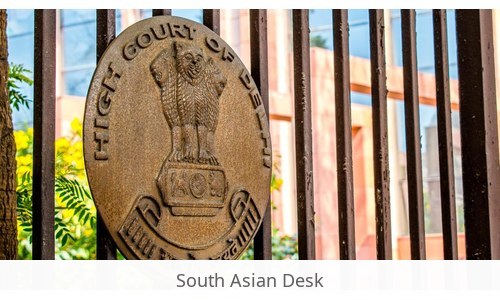
The group has also alleged that its website or social media accounts were blocked or disrupted. Reports said CJP’s X account was withheld in India and that the Delhi High Court issued notices to the Union government and X after a petition challenging the blocking.
The Indian government has not publicly accepted CJP’s allegations of political suppression. Supporters of the government have also criticised the movement, with some accusing it of being politically motivated or irresponsible.
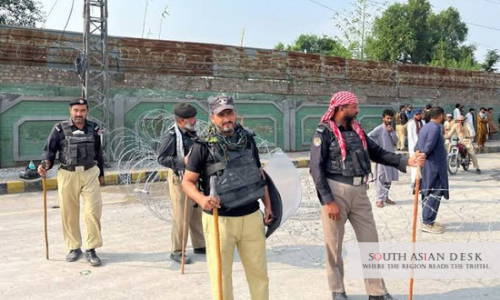
The group’s next test is whether online visibility can translate into sustained civic action. Dipke has announced plans to return to India on Friday, June 6, 2026, and lead a peaceful protest seeking Pradhan’s resignation.
Background
India’s youth politics has often been shaped by education, employment and anti-corruption movements. Student protests have played a visible role in public life, especially when recruitment exams, university admissions or public-sector hiring are seen as unfair.
The Cockroach movement differs from traditional student politics because it began as digital satire and built momentum through social media rather than established campus organisations. Its messaging relies on humour, self-mockery and indignation, which helps it circulate quickly among young users.
The broader political context is also important. India has one of the world’s largest youth populations, and public employment remains highly competitive. For many families, coaching, exam fees and repeated attempts at competitive tests represent major financial and emotional investments.
That pressure has made exam integrity a recurring political issue. Alleged paper leaks, delayed results, marking errors and technical glitches can affect thousands or even millions of candidates, turning administrative failures into national controversies.
What’s next
The coming days will show whether CJP remains a viral protest brand or becomes a more durable youth platform. Its planned protest on Friday, June 6, 2026, may test the group’s organisational strength and the state’s response to a satire-led political campaign.
Authorities may also face pressure to clarify exam-related complaints, publish remedial steps and explain the legal basis for any social media restrictions involving the group.
For now, the Cockroach movement has given a visible language to youth frustration in India, turning an insult-linked symbol into a protest identity around jobs, exams and political accountability.
Published in SouthAsianDesk, June 3, 2026
Follow SouthAsianDesk on X, Instagram and Facebook for insights on business and current affairs from across South Asia.