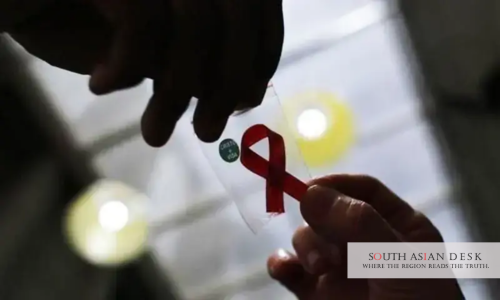
Confidential HIV testing in Pakistan must be expanded through urgent nationwide efforts, the Pakistan Medical Association has said, warning that stigma, weak healthcare systems and limited awareness continue to prevent people from knowing their HIV status.
The appeal was issued on National HIV Testing Day, with the PMA calling for coordinated action by federal and provincial health authorities, hospitals, doctors, civil society and community organisations. The association said Pakistan needs a stronger testing network that protects privacy, treats patients with dignity and ensures that those who test positive are linked quickly to counselling and treatment.
The call comes at a time when Pakistan’s official HIV numbers remain far below estimated infections. The National AIDS Control Programme has registered more than 84,000 HIV cases, while national and international health estimates suggest the actual number of people living with HIV may be much higher.
Confidential HIV Testing in Pakistan Needed to Close Diagnosis Gap
The biggest challenge is not only the spread of HIV, but the number of people who may be living with the virus without knowing it. Without testing, patients cannot access antiretroviral therapy, and onward transmission becomes harder to prevent.
Health experts say confidential HIV testing is essential because fear of exposure often keeps people away from clinics. In Pakistan, HIV remains heavily stigmatised, with many patients afraid of social exclusion, family backlash, workplace discrimination or mistreatment by healthcare providers.
This stigma is especially damaging because HIV is a manageable medical condition when diagnosed early and treated properly. Antiretroviral therapy can allow people living with HIV to live long and productive lives, while also sharply reducing the risk of transmission.
PMA HIV Testing Appeal Focuses on Stigma and Healthcare Reform
The PMA’s appeal highlights three linked problems: low testing, discrimination and gaps in healthcare infrastructure.
Doctors and public health workers have repeatedly warned that Pakistan cannot control HIV without making testing routine, accessible and confidential. This means testing services must be available not only in major hospitals, but also in district health facilities, maternal health services, blood banks, prisons, rehabilitation centres and community clinics.
The PMA also called for social and institutional stigma to be addressed. That includes training healthcare workers, protecting patient confidentiality and ensuring that no patient is denied care because of HIV status.
Pakistan HIV Cases Show Need for Early Detection
Pakistan’s HIV epidemic has shifted over the years from a low-prevalence pattern to a concentrated epidemic among higher-risk groups, with outbreaks also linked to unsafe medical practices, poor infection control, reused syringes and unregulated healthcare providers.
Recent paediatric HIV cases have added to public concern, particularly where children were infected through unsafe injections or poor clinical practices. Such outbreaks show that HIV prevention cannot be limited to awareness campaigns alone. It also requires strict regulation of clinics, blood screening, safe injection practices and action against quackery.
Early testing is one of the most effective tools available. A person who knows their HIV status can receive treatment, protect others and avoid late-stage complications. Delayed diagnosis, by contrast, increases health risks and makes the epidemic harder to track.
National AIDS Control Programme Must Be Strengthened
Pakistan already has HIV treatment centres and public-sector services, but access remains uneven. Many people in rural areas or smaller cities still face difficulty finding confidential testing and counselling. Others avoid testing because they do not trust that their identity will remain protected.
Strengthening the National AIDS Control Programme and provincial AIDS control programmes should therefore be a priority. Pakistan needs better surveillance, more trained counsellors, wider availability of testing kits and stronger referral systems so that diagnosis leads directly to treatment.
Public messaging also needs to change. HIV should be discussed as a health issue, not a moral label. Campaigns should make clear that testing is responsible, treatment is available and confidentiality is a right.
A Public Health Issue, Not a Source of Shame
The PMA’s call is a reminder that Pakistan’s HIV response depends as much on trust as on medicine. People will not come forward for testing if they fear humiliation or exposure.
A successful national response must therefore combine medical services with legal and social protections. Confidential HIV testing in Pakistan should be normalised, affordable and available without judgment.
If Pakistan can expand testing, protect privacy and connect patients to treatment, it can close the gap between registered cases and estimated infections. Without that effort, thousands may remain undiagnosed, untreated and invisible to the healthcare system.
Published in SouthAsianDesk, June 28, 2026
Follow SouthAsianDesk on X, Instagram and Facebook for insights on business and current affairs from across South Asia.