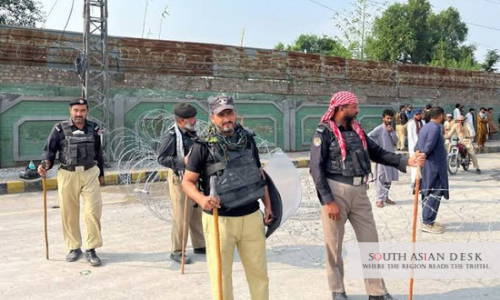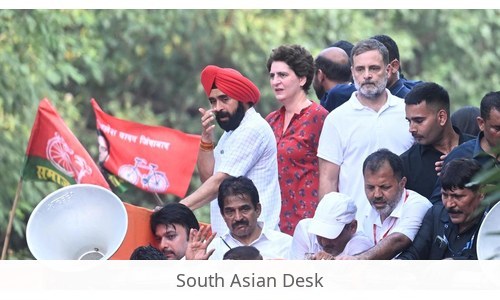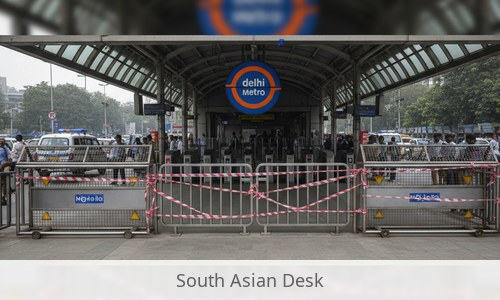
Delhi anti-CEC protests escalated in the Indian capital as authorities closed six metro stations and warned of traffic disruptions following opposition marches to the Supreme Court. The Hindu reports that the Supreme Court will hear pleas challenging the closure of several metro stations in Delhi amid the protests against the Chief Election Commissioner (CEC). Delhi Police have sought an extension of Central Armed Police Forces (CAPF) deployment until October 20, citing ongoing unrest.
Delhi anti-CEC protests: Impact on Public Transport
Delhi public transport disruptions have intensified as the protests continue. Authorities closed six metro stations in key areas, including Chandni Chowk, Connaught Place, and Rajiv Chowk, affecting daily commuters. Traffic congestion has worsened in central Delhi as opposition parties staged marches toward the Supreme Court, with reports of roadblocks and restricted access to major thoroughfares. The closures were implemented to ensure public safety amid heightened security concerns, though critics argue the measures disproportionately impact working-class citizens reliant on public transit. These disruptions highlight the broader implications of the Delhi anti-CEC protests on civic mobility, with some commuters reporting delays of up to 45 minutes during peak hours.
Political Implications
The protests reflect deepening political tensions in India surrounding electoral processes. Opposition parties have accused the Chief Election Commissioner (CEC) of bias in the revision of voter lists, a move they claim undermines democratic integrity. The CEC, Gyanesh Kumar, has not publicly commented on the accusations, but the Supreme Court’s upcoming hearing could determine the legal validity of the metro station closures. The allegations have sparked nationwide debates about electoral transparency and governance, with some analysts suggesting the protests may influence voter sentiment ahead of upcoming state elections. The political tensions in India underscore the sensitivity of the Delhi anti-CEC protests, which have drawn participation from multiple opposition factions, including the Congress Party and regional parties.
Supreme Court’s Role
The Supreme Court of India is set to hear pleas challenging the closure of metro stations linked to the protests. The court’s decision may influence public order management and set precedents for handling similar disputes in the future. Legal experts suggest the court’s ruling could either uphold the closures or mandate their reopening, depending on the evidence presented. The outcome remains critical for balancing public safety and civic rights during politically sensitive periods. The Supreme Court’s involvement has elevated the legal stakes of the protests, with the court’s ruling potentially shaping the trajectory of electoral reforms in India. The hearing is expected to address whether the closures violate constitutional rights to free movement and access to judicial processes.
Context and Background
The protests against the CEC have been fueled by allegations of irregularities in the voter list revision process, which opposition parties claim could disenfranchise marginalized communities. The CEC’s office has not issued a formal response to the accusations, but the Supreme Court’s intervention has brought the issue into the national spotlight. The Delhi Police’s request for extended CAPF deployment underscores the scale of the unrest, with security forces deployed across key protest zones. The situation has drawn comparisons to previous electoral disputes in India, though the current protests are notable for their focus on procedural transparency rather than electoral outcomes.
Related Developments
The protests have also prompted discussions about the role of the Election Commission in maintaining public trust. Some civil society groups have called for independent audits of the voter list revisions, while others have urged the government to address concerns about electoral integrity. The Supreme Court’s ruling on the metro station closures may set a precedent for future disputes involving public infrastructure during protests. Meanwhile, the Delhi government has emphasized its commitment to ensuring public safety while maintaining essential services, though critics argue that the closures have exacerbated existing transportation challenges.
Follow SouthAsianDesk on X, Instagram and Facebook for insights on business and current affairs from across South Asia.
The wider context of this developing story also includes CAPF deployment extension.