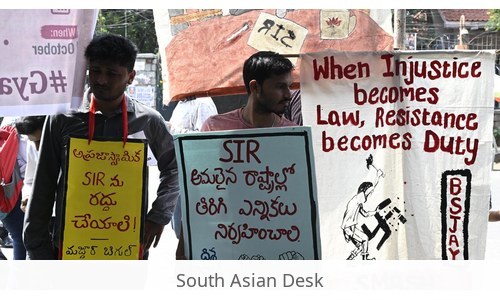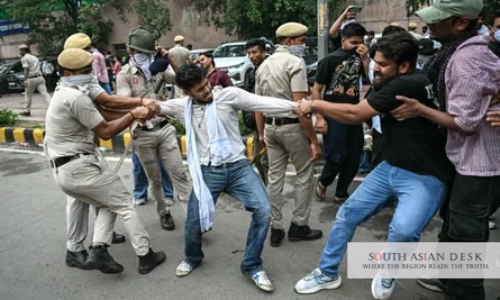
Delhi Police detain protesters: On October 3, 2026, as over 1,000 demonstrators were detained at Jantar Mantar, demanding the resignation of Chief Election Commissioner Gyanesh Kumar. The protest, organized by the Cockroach Janata Party (CJP), centered on allegations of irregularities in the Special Intensive Revision of electoral rolls, with claims that millions of voters had been improperly removed. This incident has sparked nationwide discussions on India’s electoral integrity, with critics questioning the transparency of the electoral process.
Delhi Police detain protesters: Escalation at Jantar Mantar
The CJP initiated the protests, citing concerns over voter suppression and the integrity of the electoral process. According to Al Jazeera, the party alleges that the Special Intensive Revision has led to the removal of millions of voters from electoral rolls, potentially undermining democratic participation. These claims have fueled public discontent, with protesters demanding accountability from the electoral commission. The Jantar Mantar protest, a historic site for political demonstrations in Delhi, became the focal point of the unrest, drawing attention from both national and international media.
Key Events of the Protest
The protests escalated on October 3, 2026, with over 1,000 individuals detained by Delhi Police. Prior to this, more than 700 arrests were reported at Jantar Mantar on October 2, 2026, as per OnlineKhabar. Protesters gathered to voice their demands, with CJP founder Abhijeet Dipke announcing plans for another demonstration on October 10 if Gyanesh Kumar does not resign. The police response was firm, emphasizing the need to maintain public order during the event. This marked one of the largest instances of Delhi Police detaining protesters in recent years, highlighting the tension between law enforcement and political activism.
Political Implications
The protests highlight significant public discontent regarding India’s electoral integrity. The credibility of the Chief Election Commissioner and the electoral commission is under scrutiny, with potential implications for future elections. If the CJP’s demands are not met, further protests are likely, which could impact the political landscape and public trust in democratic institutions. The situation remains fluid, with ongoing discussions about the electoral process and the need for transparency. The October 2026 protests have become a symbol of growing dissatisfaction with the current electoral framework, particularly among opposition groups and civil society organizations.
Broader Context and Reactions
The Cockroach Janata Party, a relatively new political entity, has positioned itself as a vocal critic of electoral irregularities. Its leader, Abhijeet Dipke, has repeatedly called for reforms in the electoral system, arguing that the Special Intensive Revision process lacks oversight and accountability. This has resonated with segments of the population who feel disenfranchised by the current system. Meanwhile, the government has defended the electoral commission, stating that the revisions are necessary to ensure the accuracy of voter rolls and prevent fraud.
The protests have also drawn attention to the role of social media in mobilizing political movements. Platforms like X and Instagram have been used extensively to spread information about the demonstrations, with hashtags like #DelhiProtests and #GyaneshKumarResign trending nationally. This digital activism has amplified the voices of protesters, putting additional pressure on authorities to address their concerns.
As the situation unfolds, the focus remains on whether Gyanesh Kumar will resign and how the electoral commission will respond to the allegations. The outcome of this crisis could have lasting effects on India’s democratic processes, particularly in the lead-up to the next general elections. The October 2026 protests have underscored the need for a more inclusive and transparent electoral system, one that addresses the concerns of all stakeholders.
Follow SouthAsianDesk on X, Instagram and Facebook for insights on business and current affairs from across South Asia.
Sources
- Protest against CEC Gyanesh Kumar LIVE: Demonstration to resume in Delhi – thehindu.com
- Delhi Police Detain 1,000 Over Jantar Mantar Protest Against Poll Body Chief – ndtv.com
- More than 700 arrested at Jantar Mantar during protest in India – english.onlinekhabar.com
- India’s Cockroach Party headlines day of anti-establishment protests – aljazeera.com