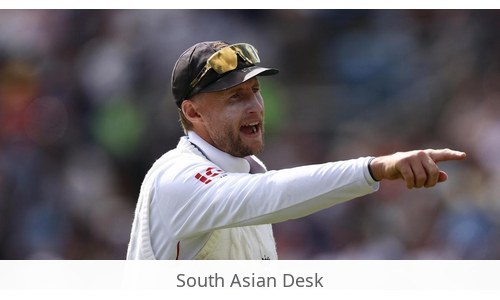
England cricket off-field behavior has become a focal point of discussion following recent incidents involving key players. On August 27, 2026, England cricket captain Joe Root expressed frustration over repeated off-field mistakes by teammates, particularly after the arrest of fast bowler Brydon Carse. The incident, which occurred at a nightclub in Derby, has raised concerns about player conduct and its impact on team dynamics ahead of a critical Test match at Lord’s.
England cricket off-field behavior: Impact on Team Dynamics
Root’s comments, reported by ESPNcricinfo, indicate growing concerns about maintaining professionalism within the squad. The timing of Carse’s incident—just days before a high-stakes Test match—adds pressure on the team to address disciplinary issues. Root emphasized that such mistakes risk undermining the collective effort required for success in international cricket. This is not an isolated concern; the England cricket team has faced similar challenges in recent years, with off-field controversies often coinciding with periods of high performance pressure. The psychological toll of such incidents on players, particularly those in leadership roles, can be significant, as they must balance personal conduct with the expectations of representing their nation on the global stage.
The impact of player conduct on team morale and cohesion is a recurring theme in cricket administration. As noted by The Indian Express, the Brydon Carse nightclub incident has reignited debates about the need for stricter England cricket team discipline. Root’s frustration, as detailed in reports, reflects a broader challenge: how to reconcile the personal lives of athletes with the demands of representing a national team. This tension is amplified by the scrutiny of social media and player reputation, where off-field actions can rapidly escalate into public relations crises.
The broader context of cricket in South Asia, where discipline and adherence to protocol are often emphasized, underscores the gravity of such lapses. For a team competing in high-stakes matches, even minor off-field distractions can ripple through the squad, affecting focus and cohesion. The incident with Carse, while not directly involving the captain, highlights a systemic issue that transcends individual accountability. It raises questions about the adequacy of existing protocols and the need for a more proactive approach to player behavior management.
Addressing Disciplinary Issues
The England cricket team may need to implement stricter guidelines for player conduct, as highlighted by The Indian Express. Root’s leadership will be pivotal in fostering a culture of accountability, particularly as the squad prepares for upcoming matches. The Cricket Regulator has been notified of Carse’s actions, underscoring the need for formal oversight. This incident could serve as a catalyst for revisiting disciplinary frameworks within the ECB (England and Wales Cricket Board), potentially leading to revised codes of conduct or enhanced monitoring mechanisms.
Historically, cricket boards across South Asia have grappled with balancing player autonomy and institutional control. The Indian Cricket Board, for instance, has faced scrutiny over similar issues, with players occasionally facing disciplinary action for off-field misconduct. The English cricket administration’s response to Carse’s incident may set a precedent for how such matters are handled in the future, particularly in the context of international tournaments where reputational damage can have long-term consequences.
The Role of Media and Public Perception
Social media amplifies incidents like Carse’s, influencing public perception of players, as noted by The Hindu. The cricket community’s response to such events can significantly impact individual and team reputations. Media coverage will likely scrutinize how England manages these challenges moving forward. In an era where digital platforms dictate the narrative, the speed and reach of information dissemination pose unique challenges for sports organizations.
The social media and player reputation dynamic is particularly acute for teams like England, which have a significant fan base in South Asia. A single off-field incident can trigger viral scrutiny, affecting sponsorships and fan engagement. This underscores the need for transparent communication from cricket authorities to manage expectations and mitigate potential fallout.
The incident also reflects broader societal trends in South Asia, where public figures are increasingly held to account for their actions both on and off the field. This heightened scrutiny can have dual effects: it may encourage players to adopt more responsible behavior, but it can also create an environment of fear or self-censorship. For teams like England, the implications of such incidents extend beyond the immediate sporting context, affecting commercial partnerships and fan engagement.
The media’s role in shaping narratives around player conduct is critical. While outlets like ESPNcricinfo and The Hindu provide factual reporting, the interpretation of such events by the public and stakeholders can vary widely. This underscores the need for transparent communication from cricket authorities to manage expectations and mitigate potential fallout.
Follow SouthAsianDesk on X, Instagram and Facebook for insights on business and current affairs from across South Asia.
Sources
- Root angered by England’s off-field ‘stupid mistakes’ – thehindu.com
- Joe Root’s ‘straight’ talk in England dressing room post Carse handcuff incident revealed – indianexpress.com
- Joe Root ‘hacked off’ after Carse incident mars Lord’s Test build-up – cricinfo.com
Image: th-i.thgim.com