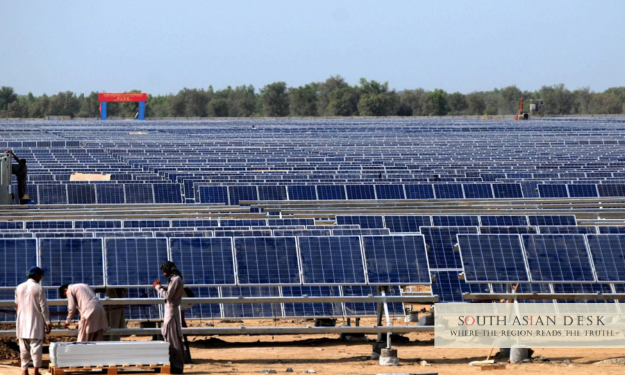
India has told renewable energy developers to either surrender their clean energy grid connection or furnish higher bank guarantees if their projects are not generating power, as the country moves to free up scarce transmission capacity for developers that are actually supplying electricity. The directive, issued by the Central Electricity Regulatory Commission (CERC) in an order dated July 11, marks one of the most significant efforts yet to address a long-standing bottleneck in the country’s clean energy grid connection framework.
Why India Is Rethinking Clean Energy Grid Connection Rules
A substantial share of renewable energy capacity awarded to power producers between 2019 and 2025 still has no buyers, according to the CERC. That gap has left valuable transmission infrastructure locked up by projects that may never reach completion, while newer developers with signed power purchase agreements struggle to secure their own clean energy grid connection. The regulator’s data shows that renewable energy implementing agencies, including SECI, NTPC, NHPC and SJVN, issued letters of award covering more than 40 gigawatts of capacity during that period, yet power purchase agreements have materialised for only a small fraction of it.
Of the capacity still without a signed agreement, around 22 gigawatts remains tied to existing transmission connectivity, and roughly 15.7 gigawatts of that could potentially be released for other developers under the new framework, the commission estimated. CERC has described transmission access as a scarce resource that should not sit idle while other renewable energy projects wait in line for capacity.
How the New Framework for Renewable Energy Grid Connectivity Works
Under the order, companies holding unused transmission rights have several options. They may retain their clean energy grid connection by furnishing a fresh, higher performance bank guarantee and committing to firm timelines for land acquisition, financial closure and commissioning. Alternatively, developers can substitute their original letter of award with a power purchase agreement signed under a different tender, allowing them to preserve the transmission connectivity India has already granted them while realigning their project with an active buyer.
A third route allows developers to voluntarily surrender their connectivity altogether and recover the bank guarantees already deposited, a one-time relief measure designed to encourage companies to release capacity without financial penalty. The order also permits developers to transfer transmission rights within the same corporate group, so that a generating unit that lacks a clean energy grid connection can draw on connectivity held by an affiliated but inactive project.
Any capacity surrendered under this CERC order on renewable energy will first be offered to existing projects within the same substation cluster before being auctioned to new bidders through the Central Transmission Utility of India. The regulator has fixed a base auction price of Rs 3 lakh per megawatt, with revenue from the sale expected to help reduce transmission charges for consumers more broadly.
What This Means for India’s Renewable Energy Capacity
The reform arrives as India pursues an ambitious target of 500 gigawatts of non-fossil fuel capacity by 2030, a goal that depends heavily on matching new generation with reliable transmission connectivity India can actually deliver. Analysts tracking the sector note that a significant portion of recently commissioned renewable energy capacity continues to face curtailment because evacuation infrastructure has not kept pace with project buildout, a separate but related strain on the grid.
By creating a structured mechanism for surrender and reallocation, CERC aims to ensure that every clean energy grid connection issued going forward is matched to a project with a real prospect of coming online, rather than sitting unused while speculative capacity blocks the pipeline. The regulator has also signalled growing concern over speculative booking of transmission access, an issue that has become more pronounced as India’s renewable energy capacity pipeline has expanded rapidly in recent years.
Entities affected by the order will have 60 days from the publication of a final list by the Central Transmission Utility of India to choose among the available options. For an industry racing to keep pace with rising electricity demand, the outcome of this reallocation exercise could determine how quickly India’s next wave of solar, wind and hybrid projects can secure the transmission connectivity India needs to turn approved capacity into power actually reaching the grid.
Published in SouthAsianDesk, July 14, 2026
Follow SouthAsianDesk on X, Instagram and Facebook for insights on business and current affairs from across South Asia.