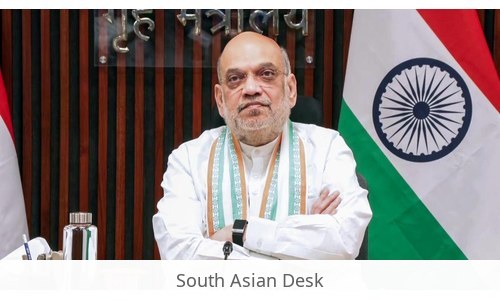
Union Home Minister Amit Shah announced that 99% of exports will become duty-free under the new India-U.K. trade treaty. The agreement, described as a testament to the Centre’s pro-people diplomacy, aims to cut tariffs on thousands of goods and expand access for services firms and professionals in both markets. This development marks a significant step in enhancing economic ties between the two nations.
India-U.K. Trade Treaty: Economic Implications
The treaty is expected to benefit Indian exporters and service firms by reducing trade barriers. By eliminating tariffs on a vast majority of goods, the deal could boost trade volumes and make Indian products more competitive in the U.K. market. For the U.K., the agreement opens access to India’s growing consumer base and manufacturing sector, potentially strengthening bilateral commerce.
Key sectors such as textiles, pharmaceuticals, and information technology stand to gain from reduced import costs and streamlined customs procedures. Indian IT firms, which have long operated in the U.K., may see expanded opportunities in digital services, while British manufacturers could benefit from India’s scale and cost advantages in sectors like automotive components and consumer electronics. The treaty also includes provisions for mutual recognition of professional qualifications, which could facilitate greater mobility for engineers, lawyers, and healthcare workers between the two countries.
Political Context
This trade treaty aligns with India’s broader diplomatic strategy of deepening economic partnerships while maintaining strategic autonomy. The announcement comes amid efforts to diversify trade relationships beyond traditional partners such as the United States and the European Union. Analysts note that the deal reinforces India’s position as a key player in global trade negotiations, particularly as it seeks to balance its growing ties with the West against its economic and strategic engagement with countries in the Global South.
The U.K.’s post-Brexit push to diversify trade partners has also created a conducive environment for this agreement, with both nations viewing each other as critical allies in navigating shifting global economic dynamics. The India-U.K. trade treaty is seen as a pragmatic response to the need for stable, long-term trade frameworks in an era of rising protectionism and geopolitical fragmentation.
Comparison with Previous Agreements
Compared to earlier trade agreements, this treaty expands coverage to include services and professionals, reflecting evolving economic priorities. Past deals, such as India’s trade pacts with the European Union and the U.S., often focused narrowly on goods, leaving gaps in areas like digital services and cross-border professional mobility.
This new agreement addresses modern trade needs by incorporating provisions for e-commerce, data flows, and mutual recognition of qualifications, which are increasingly vital for global economic integration. Lessons from previous treaties, such as the need for clear implementation frameworks and dispute resolution mechanisms, have been incorporated to ensure smoother execution. For instance, the inclusion of a dedicated committee to monitor compliance and address trade disputes in real time is a direct response to challenges faced in earlier agreements.
Regional and Global Implications
The India-U.K. trade treaty is expected to have ripple effects across South Asia and beyond. By strengthening trade ties with the U.K., India may encourage other regional partners, such as Bangladesh and Sri Lanka, to pursue similar agreements, fostering a broader network of economic cooperation in the region. Additionally, the deal could influence global trade negotiations, particularly as both nations advocate for multilateral frameworks that prioritize fair trade practices and reduce non-tariff barriers. The treaty also underscores the U.K.’s role as a gateway to emerging markets, reinforcing its position as a hub for trade with the Asia-Pacific region.
Follow SouthAsianDesk on X, Instagram and Facebook for insights on business and current affairs from across South Asia.
Sources
- 99% of exports to become duty-free with India-U.K. trade treaty: Amit Shah – thehindu.com
- India-UK trade deal comes into effect: What’s cheaper in each country now? – aljazeera.com
Image: th-i.thgim.com