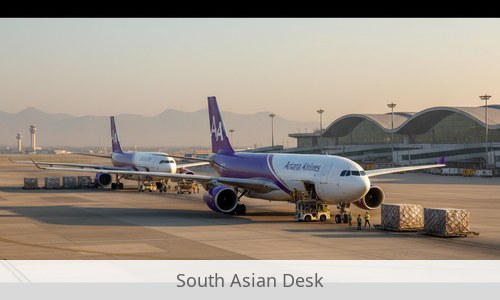
Kabul-Delhi cargo flights have seen a significant boost as Ariana Afghan Airlines announced the doubling of its cargo services between Kabul and New Delhi from one to two daily flights on September 26, 2026. This expansion aims to enhance Afghanistan-India trade relations by improving the transportation of commercial goods and strengthening economic ties between the two nations.
Kabul-Delhi Cargo Flights: Impact on Trade Relations
The increased frequency of Kabul-Delhi cargo flights is expected to have a transformative effect on Afghanistan-India trade relations. By reducing transit times and lowering logistics costs, Afghan traders and businesses can now move goods more efficiently across the border. This development aligns with broader efforts to stabilize Afghanistan’s economy and integrate it into regional trade dynamics, particularly as India seeks to solidify its role as a key trade partner in South Asia.
The expansion is anticipated to benefit sectors such as agriculture, textiles, and energy, which are critical to Afghanistan’s export economy. For instance, Afghan agricultural products like dried fruits, nuts, and saffron can reach Indian markets faster, while Indian manufactured goods, including textiles and machinery, can be imported more efficiently. This improved logistics infrastructure is expected to reduce dependency on overland routes, which are often subject to delays and security concerns.
Moreover, the increased cargo flights will likely lead to a more robust exchange of goods, fostering a more dynamic trade environment. As Afghan businesses gain access to Indian markets, they may also explore new opportunities for collaboration and investment, further enhancing the economic relationship between the two countries.
Geopolitical Implications
The expansion of Kabul-Delhi cargo flights may influence economic policies in South Asia by reinforcing India’s strategic position in Afghanistan’s trade landscape. With Afghanistan’s economy still recovering from years of instability, this move could accelerate its integration into regional markets. The increase in cargo flights, part of Ariana Airlines’ trade expansion efforts, underscores the importance of maintaining stable cross-border trade routes in a region marked by complex geopolitical dynamics. This initiative also highlights the growing interdependence between Afghanistan and India, particularly in sectors like agriculture, textiles, and energy.
India’s strategic interest in Afghanistan has long been tied to countering regional rivals and ensuring a stable neighbor. By enhancing trade ties through improved logistics, India can strengthen its economic influence in the region while supporting Afghanistan’s recovery. This development may also encourage other South Asian nations to explore similar trade partnerships, fostering a more interconnected regional economy. The geopolitical landscape is shifting, and the increased connectivity through cargo flights could play a pivotal role in shaping future alliances and economic collaborations.
Regional Trade Dynamics and Future Prospects
The result is a critical component of regional trade dynamics, reflecting a broader trend of economic cooperation in South Asia. As Afghanistan seeks to rebuild its trade networks, the collaboration with India through Ariana Afghan Airlines exemplifies how regional partners can work together to overcome logistical challenges. This development could pave the way for further economic cooperation, including potential investments in infrastructure and digital trade platforms that facilitate smoother cross-border commerce.
Infrastructure improvements, such as modernizing airports and enhancing customs procedures, could complement the increased flight frequency. Additionally, the establishment of digital trade platforms might streamline documentation and reduce bureaucratic hurdles, further boosting trade efficiency. These steps could attract foreign investment and encourage private sector participation in Afghanistan’s economic revival. The potential for growth in trade and investment is significant, and both nations stand to benefit from a more integrated economic framework.
Conclusion
The doubling of the result represents a pivotal move to enhance trade relations between Afghanistan and India. As regional trade dynamics continue to evolve, this initiative could serve as a catalyst for deeper economic integration and long-term stability in the region. The success of this expansion will depend on sustained cooperation between the two nations and the ability to address remaining logistical and regulatory challenges. With both countries committed to fostering a robust trade relationship, the future looks promising for Afghanistan-India economic ties.
Published in SouthAsianDesk, 28th September, 2026.
Follow SouthAsianDesk on X, Instagram and Facebook for insights on business and current affairs from across South Asia.