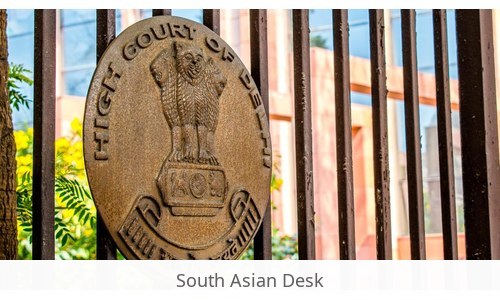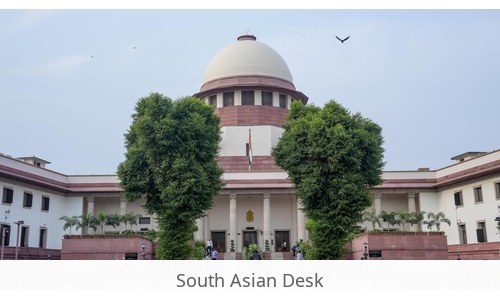
The Supreme Court of India ruled to reduce the mandatory legal practice period for entry-level judicial exam candidates from three years to one year. This mandatory legal practice reduction marks a pivotal shift in India legal reforms, aiming to streamline judicial recruitment while addressing systemic inefficiencies in the legal profession.
mandatory legal practice reduction: Implications for Judicial Officers
The reduction in the mandatory legal practice period from three to one year raises questions about the preparedness of newly appointed judicial officers. Under the new ruling, candidates selected for judicial positions will undergo a structured clerkship period of one year post-appointment. Critics argue that this shorter training period may compromise the depth of legal expertise required for judicial roles, particularly in complex cases involving constitutional law or commercial disputes.
Supporters of the ruling, including legal reform advocates, contend that the change will allow for faster judicial appointments, reducing the backlog of cases in Indian courts. The Supreme Court emphasized that the clerkship period would include mentorship from senior judges and exposure to court proceedings, ensuring practical training remains a core component of judicial education. This structured approach is intended to balance efficiency with the need for foundational legal acumen, though some legal scholars have raised concerns about the adequacy of one year for mastering the nuances of judicial interpretation.
Impact on Aspiring Lawyers
The revised requirement is expected to increase accessibility for aspiring judicial officers, particularly for those from smaller towns and economically disadvantaged backgrounds. By reducing the mandatory legal practice period, the ruling removes a barrier that previously required candidates to spend three years in private practice or legal aid before qualifying for judicial exams. This shift may also reshape the legal profession landscape in India. Law firms and legal aid organizations may see a surge in candidates seeking judicial roles over private practice, potentially altering the dynamics of legal employment. However, the Supreme Court has clarified that the one-year clerkship will not replace formal legal training, which remains a prerequisite for judicial eligibility.
The change could also influence the career trajectories of young lawyers, who may now prioritize judicial service over private practice. This could lead to a reevaluation of legal education curricula, with law schools potentially adjusting their programs to align with the new requirements. Additionally, the ruling may encourage greater participation from women and underrepresented groups in the legal profession, as the reduced practice period lowers financial and time barriers to entry.
Historical Context
The three-year mandatory legal practice requirement was introduced in the 1980s to ensure judicial candidates had sufficient practical experience before assuming judicial roles. Over time, this requirement became a point of contention, with critics arguing it created a bottleneck in judicial recruitment and disproportionately affected candidates from less privileged backgrounds. The National Judicial Academy, established in the early 2000s, had already begun implementing standardized training modules to modernize judicial education, but the three-year rule remained a persistent hurdle.
Recent India legal reforms, including the digitization of court processes and the introduction of fast-track dispute resolution mechanisms, have underscored the need for a more agile judicial system. The current ruling reflects a broader effort to align judicial training with contemporary legal challenges, such as the increasing complexity of commercial litigation and the demand for expedited case resolution. The Supreme Court’s decision is part of a series of measures aimed at reducing the backlog of over 40 million pending cases in Indian courts, a figure that has remained stagnant despite previous reforms.
Broader Reforms and Regional Significance
This ruling is not an isolated policy shift but part of a larger narrative of judicial modernization in South Asia. Neighboring countries such as Pakistan and Bangladesh have also grappled with judicial backlogs and inefficiencies, though their approaches to reform have varied. In Pakistan, for instance, the judiciary has faced criticism for political interference, while Bangladesh has experimented with technology-driven case management systems. The Indian Supreme Court’s decision to streamline judicial recruitment could serve as a regional benchmark, influencing similar reforms across South Asia.
The reduction in the mandatory legal practice period also aligns with global trends toward professionalization and efficiency in judicial systems. Countries like the United States and the United Kingdom have long emphasized practical training for judges, though their models differ in structure and duration. India’s approach, however, is unique in its emphasis on a structured clerkship under senior judges, a practice that has historical roots in the British colonial legal system.
Follow SouthAsianDesk on X, Instagram and Facebook for insights on business and current affairs from across South Asia.
Sources
- Supreme Court reduces three-year mandatory legal practice to one year for entry-level judicial exam – thehindu.com
- Supreme Court modifies 3-year practice rule for judicial service entry – indianexpress.com
Image: th-i.thgim.com