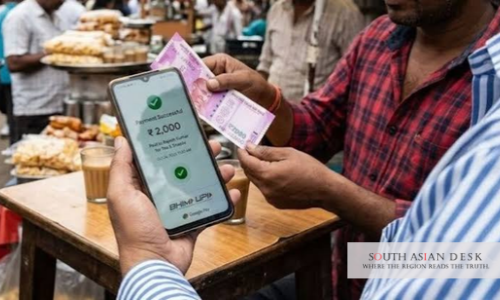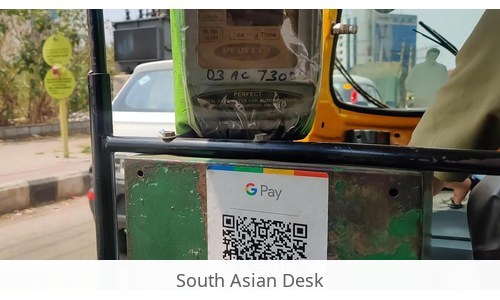
MDR charges on UPI payments are set to be implemented by the National Payments Corporation of India (NPCI) after Diwali, as announced on October 13, 2026. The specific date for the implementation of MDR charges will be notified separately by NPCI. The proposed MDR is intended to help fund UPI infrastructure, which costs Rs 20,000 crore annually.
MDR charges on UPI payments: Impact on Small Merchants
The implementation of MDR charges will affect small merchants using UPI. Analysis suggests that the UPI transaction fees for small businesses may increase, raising concerns about their sustainability in the digital payment landscape. The shift could disproportionately impact micro-merchants who rely heavily on UPI for daily transactions, potentially altering their operational models. This impact on small merchants is a critical concern, as many operate on thin margins and may struggle to absorb additional costs. For instance, a small street vendor processing 100 transactions daily could see a marginal increase in expenses, which might reduce their profit margins significantly. This could lead to a shift in payment preferences or even a return to cash transactions for some businesses.
The introduction of these charges may force small merchants to reconsider their payment acceptance strategies. Some may choose to limit UPI transactions or increase the prices of their goods and services to offset the additional costs. This could create a ripple effect in the market, affecting consumer behavior and overall sales.
Consumer Implications
Consumers using UPI for transactions may experience changes in behavior and transaction frequency. There is potential for increased costs to be passed on to consumers, which could influence their preference for cash or other payment methods. This development might slow the overall growth of digital payments in India, particularly among price-sensitive demographics. The NPCI UPI announcement has sparked discussions about how users will adapt to these changes in the short and long term. For example, younger consumers who are more accustomed to digital transactions may continue using UPI despite the fees, while others might opt for alternative methods like cash or card payments.
As consumers become aware of the new charges, they may begin to evaluate the cost-effectiveness of using UPI compared to other payment methods. This could lead to a decline in UPI usage among certain demographics, particularly those who are more sensitive to transaction costs. The overall impact on consumer behavior will depend on how merchants respond to the new charges and whether they choose to pass on the costs to their customers.
Funding UPI Infrastructure
The necessity of funding UPI infrastructure is critical for its long-term sustainability. A well-funded UPI system can ensure continued innovation and reliability, benefiting both users and merchants. The proposed MDR charges on UPI payments aim to address the annual infrastructure costs, ensuring that UPI remains a robust and scalable payment ecosystem. This UPI infrastructure funding is essential to maintain the system’s efficiency and expand its reach across India. By allocating a portion of the MDR charges to infrastructure development, NPCI aims to ensure that UPI can handle increasing transaction volumes and maintain high performance standards.
Investing in UPI infrastructure is vital for accommodating the growing number of digital transactions in India. As more users and merchants adopt UPI, the demand for a reliable and efficient payment system will only increase. The introduction of MDR charges could be seen as a necessary step to ensure that the UPI platform can continue to evolve and meet the needs of its users.
Broader Economic and Policy Context
The introduction of MDR charges marks a significant shift in the UPI payment landscape, potentially affecting millions of users and merchants across India. This move aligns with broader economic policies aimed at ensuring the financial system’s resilience and adaptability. The NPCI UPI announcement has also prompted discussions about the balance between funding infrastructure and maintaining accessibility for all users, including those in rural and semi-urban areas. Policymakers are closely monitoring the impact of these changes to ensure that the transition does not disproportionately affect vulnerable segments of the population.
The implementation of these charges could also lead to increased scrutiny from regulatory bodies and consumer advocacy groups, who may raise concerns about the potential impact on small merchants and consumers. It will be essential for NPCI to communicate effectively with all stakeholders to address any concerns and ensure a smooth transition to the new fee structure.
Conclusion
The implementation of MDR charges on UPI payments is a strategic move by NPCI to ensure the long-term viability of the UPI ecosystem. While the impact on small merchants and potential changes in consumer behavior are valid concerns, the benefits of a well-funded and sustainable UPI system are substantial. As the digital payments landscape continues to evolve, stakeholders must work collaboratively to address challenges and maximize the benefits of this transformative technology.
Follow SouthAsianDesk on X, Instagram and Facebook for insights on business and current affairs from across South Asia.
Sources
- MDR charges on UPI payments will be implemented post-Diwali, says NPCI – thehindu.com
- UPI Merchant Charges Above Rs 2,000 To Be Implemented After Diwali – ndtv.com
Image: th-i.thgim.com