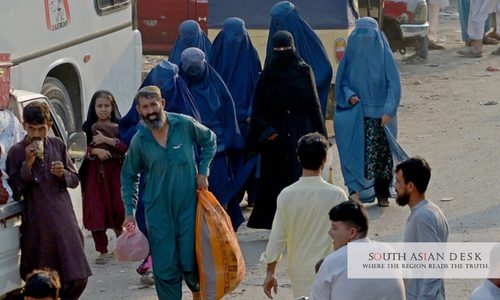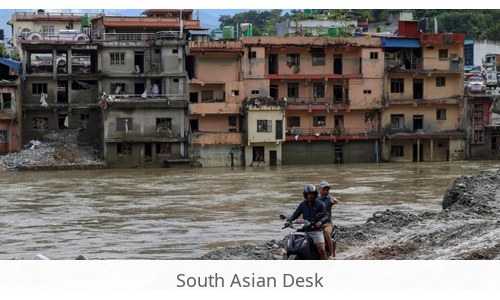
Nepal flash floods have triggered a devastating humanitarian crisis, claiming 1,410 lives and leaving over 6,100 individuals missing as of August 26, 2026. The disaster has exposed critical gaps in Nepal’s infrastructure and disaster preparedness, with climate change impact cited as a key contributing factor. Rescue teams have recovered 13,756 people from affected regions, but challenges persist in reaching remote areas. The humanitarian crisis Nepal has intensified demands for international aid and local resource mobilization.
Dateline and Opening Summary
Nepal was struck by catastrophic flash floods that have since claimed 1,410 lives and left over 6,100 people missing. The floods, which began in the southern districts of Kavre and Sindhuli, rapidly spread across the country, overwhelming rivers and triggering landslides. With rescue operations ongoing, the death toll continues to rise, and the scale of the disaster has prompted urgent calls for international assistance. The Nepalese government has declared a state of emergency, activating disaster response protocols and requesting support from neighboring countries and global organizations.
Nepal Flash Floods: Rescue Efforts
Nepal rescue operations have intensified across flood-affected districts, with local and international teams working to locate missing persons and provide aid. Over 13,756 individuals have been successfully evacuated, but rescue workers face obstacles such as damaged roads, landslides, and limited access to remote villages. The Nepalese government has requested international assistance, while NGOs and volunteer groups have mobilized resources to support relief efforts. Despite these challenges, the flood recovery efforts are ongoing, with a focus on stabilizing affected communities and restoring critical infrastructure.
Long-term Implications
The climate change impact on Nepal’s vulnerability to extreme weather events is a growing concern. Experts highlight the need for improved flood forecasting systems, resilient infrastructure, and regional cooperation to address climate-induced disasters. The death toll in Nepal underscores the urgent need for better disaster mitigation strategies, particularly in regions prone to monsoon-related flooding. Nepal’s experience may influence cross-border policy discussions on climate adaptation in the Himalayan region.
Humanitarian Response and International Aid
The humanitarian crisis Nepal has drawn attention from global organizations and neighboring countries. The United Nations has pledged support for emergency relief, while India and China have offered logistical assistance. Local communities, however, are struggling to cope with the aftermath, as many have lost their homes, livelihoods, and access to clean water. The Nepal flash floods have also disrupted transportation networks, complicating the delivery of aid to remote areas.
Community Resilience and Recovery
In the wake of the disaster, local leaders and volunteers have played a crucial role in coordinating relief efforts. Temporary shelters have been set up in safer zones, and food and medical supplies are being distributed to affected families. However, the scale of the crisis has overwhelmed local resources, necessitating sustained international support. The flood recovery efforts will require long-term investment in rebuilding infrastructure and implementing climate-resilient policies.
Climate Change and Future Preparedness
The climate change impact on Nepal’s environment is a critical factor in the severity of this disaster. Rising temperatures, erratic rainfall patterns, and glacial melt have increased the frequency of extreme weather events. Scientists warn that without significant mitigation efforts, such disasters will become more common. The Nepal flash floods serve as a stark reminder of the need for global action on climate change and regional cooperation to build resilience against future crises.
Related Posts
- Nepal’s Climate Vulnerability: A Growing Concern
- International Aid in Natural Disasters: Lessons from Nepal
- Disaster Preparedness in South Asia: A Regional Challenge
Follow SouthAsianDesk on X, Instagram and Facebook for insights on business and current affairs from across South Asia.
Sources
- Nepal flash flood death toll surges to 1,410; over 6,100 still missing – thehindu.com
- Nepal is paying the price for a climate crisis it did not create – english.onlinekhabar.com
Image: th-i.thgim.com