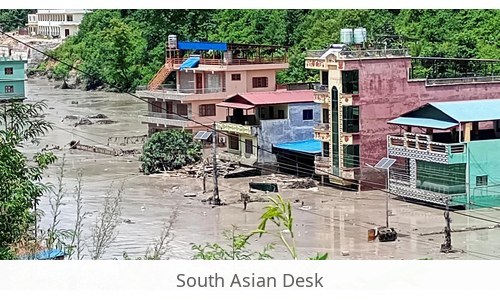
The NOC refuelling truck has become a critical asset in the Nepal floods response, as the Nepal Oil Corporation (NOC) dispatched a 16,000-litre refuelling truck to Nuwakot on August 26, 2026. This deployment supports helicopter rescue operations in the wake of severe flash floods that have submerged villages and damaged infrastructure near the Tibet border. The NOC’s aviation fuel depot in Sinamangal, a key logistics hub, mobilized the truck to ensure uninterrupted fuel supply for helicopters operated by the Nepal Army and private rescue teams. This action underscores the vital role of energy infrastructure in disaster response, particularly in the Himalayas, where road networks are often impassable during extreme weather events.
NOC refuelling truck: Details of the Refuelling Operations
The refuelling truck, sourced from NOC’s aviation fuel depot in Sinamangal, has a capacity of 16,000 litres. This volume is critical for sustaining helicopter operations conducted by the Nepal Army and private rescue teams. Helicopters are the primary mode of transport for reaching isolated flood-affected areas where road networks have been rendered impassable. Each helicopter typically consumes between 1,000 to 1,500 litres of fuel per hour of operation, depending on altitude and payload. The 16,000-litre capacity of the NOC truck is estimated to support approximately 10 to 12 hours of continuous refuelling, enabling multiple sorties per day. This logistical intervention ensures that rescue teams can maintain a high operational tempo, which is vital in scenarios where time is a critical factor for saving lives. The truck’s deployment also highlights the strategic importance of maintaining fuel reserves in remote depots, a lesson reinforced by past disasters in the region where fuel shortages have hampered relief efforts.
Impact on Local Communities
At least eight fatalities have been reported due to the flash floods, with entire villages washed away in the affected regions. Infrastructure damage includes the destruction of roads, bridges, and communication lines, exacerbating the challenges faced by rescue teams. The floods have also disrupted access to essential services, including healthcare and food supplies. In Nuwakot and surrounding districts, the destruction of roads has isolated communities, making it difficult for medical personnel to reach injured individuals. Communication outages have further hindered coordination between rescue teams and local authorities, delaying the distribution of aid. The loss of agricultural land and livestock has compounded the humanitarian crisis, with many families now facing food insecurity. The situation has also raised concerns about the long-term economic impact on the region, as damaged infrastructure could take months to repair, affecting trade and tourism in the area. This highlights the challenges of Nuwakot disaster management during extreme weather events.
Broader Implications for Disaster Management
The NOC’s initiative highlights the importance of multi-agency coordination in disaster response. By ensuring a steady supply of aviation fuel, the corporation is enabling sustained rescue operations that could serve as a model for future disaster management strategies in South Asia. Regional experts note that such rapid mobilization of resources is crucial for mitigating the impact of climate-related disasters in the Himalayan region, where glacial melt and monsoon variability are increasingly linked to extreme weather events. The deployment of the NOC truck also underscores the need for pre-disaster planning, including the establishment of emergency fuel reserves and the integration of private sector logistics into national disaster response frameworks. In the past, delays in fuel delivery have been cited as a major bottleneck in relief operations, particularly in mountainous regions where alternative transportation routes are limited. This incident may prompt a reevaluation of existing protocols to ensure that critical infrastructure like fuel depots is prioritized in disaster preparedness plans. The NOC’s role in flood relief efforts demonstrates the value of public-private partnerships in addressing complex humanitarian crises.
Follow SouthAsianDesk on X, Instagram and Facebook for insights on business and current affairs from across South Asia.
This report focuses on NOC refuelling truck and the verified developments surrounding it.
This report focuses on NOC refuelling truck and the verified developments surrounding it.
Sources
- At least eight killed in Nepal flash floods – thehindu.com
- Nepal flash flood hits Bhote Koshi river; 8 killed, 33 security personnel missing: Top updates – indianexpress.com
- NOC sends 16,000-litre refuelling truck to Nuwakot to support helicopter rescue operations – english.onlinekhabar.com
Image: th-i.thgim.com