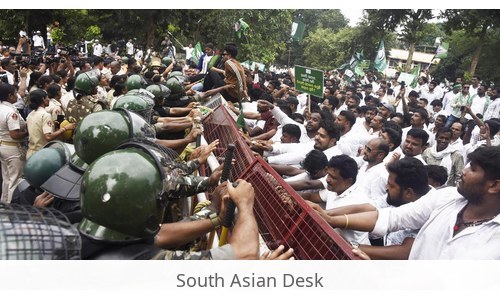
Odisha bandh October 8: The INDIA bloc has scheduled a bandh in Odisha for October 8, 2026, in response to the MMDR Amendment Act, 2026, as reported by The Hindu. The protest also includes demands for the resignation of Chief Election Commissioner Gyanesh Kumar, following clashes between protesters and police near the Chief Minister’s residence during the announcement. This nationwide movement, part of the broader INDIA bloc protests, reflects growing tensions over the mining law controversy and its political implications Odisha.
Odisha bandh October 8: Implications of the MMDR Amendment Act
The MMDR Amendment Act, 2026, introduces changes to mining regulations that have drawn criticism from local communities and industry stakeholders. The Hindu reports that the protest aims to repeal the amendment, citing concerns over environmental degradation and the impact on local livelihoods. Environmental groups have raised alarms about the potential for increased deforestation and water contamination, though specific data on these impacts remains unverified. The political implications Odisha faces from this legislation are significant, as it could reshape the state’s economic and ecological landscape. Critics argue that the MMDR Amendment Act 2026 prioritizes corporate interests over public welfare, sparking debates about the balance between industrial growth and environmental protection.
Political Ramifications of the INDIA Bloc’s Demands
The INDIA bloc’s demand for the resignation of Chief Election Commissioner Gyanesh Kumar adds another layer of complexity to the situation. According to The Hindu, the bloc argues that the Election Commission’s neutrality is under threat, though no formal allegations have been made against the commissioner. This demand could influence voter sentiment ahead of upcoming elections, particularly if the bloc’s claims gain traction among the public. The mining law controversy has also sparked broader debates about the balance between industrial growth and environmental protection, with critics arguing that the MMDR Amendment Act 2026 prioritizes corporate interests over public welfare. The political implications Odisha faces from this legislation are significant, as it could reshape the state’s economic and ecological landscape.
Public Response to the Protests
Public sentiment regarding the bandh appears divided. While some communities support the protests as a means to address grievances over mining laws, others express concerns about the disruption caused by the bandh. The Hindu notes that police clashed with protesters during the announcement, highlighting tensions between the government and opposition groups. The broader societal implications of these protests remain to be seen, but they underscore the deepening political and social divisions in the region. The INDIA bloc protests have also drawn attention to the mining law controversy, which has become a focal point for debates on governance and accountability in Odisha.
Broader Context and Regional Impact
The Odisha bandh October 8 is not an isolated event but part of a larger national discourse on mining regulations and electoral integrity. The MMDR Amendment Act 2026 has been a contentious issue across several states, with similar protests emerging in regions where mining activities are prevalent. In Odisha, the political implications Odisha faces from this legislation are particularly acute, given the state’s reliance on mineral resources for economic growth. However, the environmental and social costs of such policies have sparked widespread opposition, leading to the current bandh.
The demand for the Chief Election Commissioner’s resignation has further complicated the situation, as it raises questions about the independence of electoral institutions. While the INDIA bloc has not provided concrete evidence to support its claims, the mere suggestion has the potential to sway public opinion and affect the credibility of the Election Commission. This development could have far-reaching consequences, especially in the context of upcoming elections, where the perception of electoral fairness is crucial.
Conclusion
The Odisha bandh October 8 represents a critical juncture in the state’s political and environmental landscape. As the INDIA bloc continues to push for the repeal of the MMDR Amendment Act 2026 and the resignation of the Chief Election Commissioner, the situation remains fluid. The outcome of these protests will likely shape the future of mining policies in Odisha and set a precedent for similar movements across the country. The political implications Odisha faces from this legislation are significant, and the resolution of these issues will require careful negotiation and a commitment to balancing economic development with environmental and social responsibilities.
Follow SouthAsianDesk on X, Instagram and Facebook for insights on business and current affairs from across South Asia.
Sources
- INDIA bloc announces Odisha bandh on October 8 over new mining law, other issues – thehindu.com
- INDIA Bloc To Meet Today Over Poll Body Row: Options And Gameplan – ndtv.com
Image: th-i.thgim.com