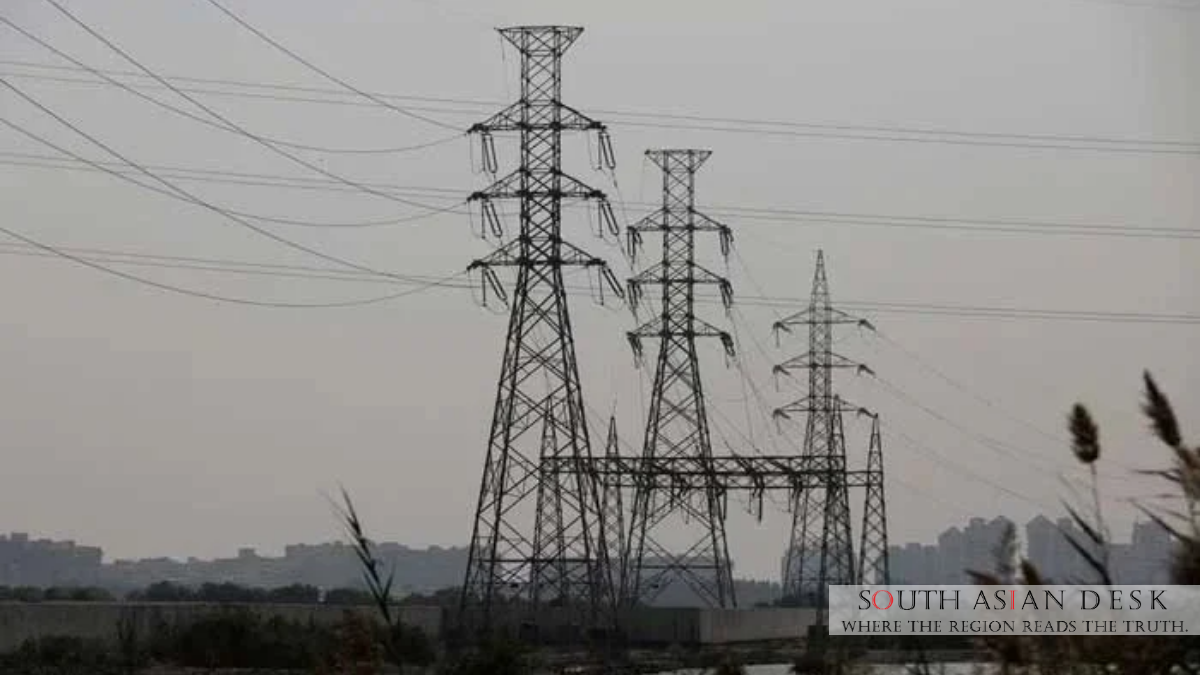
Pakistan is set to require an additional 62,660 to 70,720 megawatts of power generation capacity by 2035, according to the revised Indicative Generation Capacity Expansion Plan (IGCEP) 2025–35. This strategic plan, developed by the Independent System and Market Operator alongside the National Electric Power Regulatory Authority (Nepra), aims to support an economic growth rate of 3.5% to 6.4%.
The plan outlines the expansion of both generation and transmission infrastructure across the nation, including enhancements to the K-Electric network. Based on three GDP growth scenarios—3.52% (low), 4.95% (medium), and 6.37% (high)—the required capacity additions are estimated at 62,657MW, 66,459MW, and 70,720MW, respectively.
Despite a recent decline in electricity consumption and the system’s load factor dropping to 58-60%, the plan anticipates stabilization through demand-side management measures. These efforts aim to enhance system efficiency and restore the load factor to approximately 70% by 2035.
The IGCEP marks a significant shift towards domestic and renewable energy sources. By 2035, hydropower is expected to comprise 34% of the installed capacity, with solar and wind contributing 27%. The reliance on imported fuels is projected to decrease, with a complete phase-out of furnace oil and reduced use of imported coal and RLNG.
Financially, the plan requires an investment of $46 billion to $54 billion in generation and an additional $4.6 billion to $6 billion for transmission expansion. The plan also emphasizes flexibility to incorporate strategic projects and distributed generation, projecting an increase in grid supply to K-Electric to 3,456MW by 2035.
Published in SouthAsianDesk, April 24, 2026
Follow SouthAsianDesk on X, Instagram and Facebook for insights on business and current affairs from across South Asia.