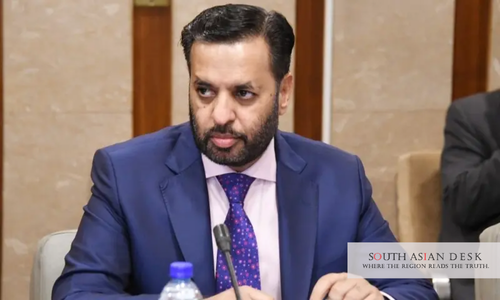
Pakistan vaccine procurement controversy has intensified following allegations of irregularities in a government-backed vaccination arrangement for Umrah pilgrims and overseas job seekers. Federal Health Minister Mustafa Kamal has rejected claims of large-scale corruption, maintaining that no public funds have been lost and that the Rs183 million collected from applicants remains deposited in a National Database and Registration Authority (NADRA) account.
Addressing a press conference in Islamabad on November 10, the minister said the controversy had been misrepresented on social media and that the government had not paid the vaccine supplier. He also maintained that the private company involved had suffered financial losses after purchasing the vaccines, while the money collected from applicants remained untouched.
The controversy concerns the procurement of meningococcal meningitis and influenza vaccines by Border Health Services-Pakistan (BHS) under a public-private partnership (PPP) arrangement. The arrangement came under scrutiny after questions were raised about the procurement process, the prices charged to travellers and whether the relevant regulatory procedures had been followed.
Pakistan Vaccine Procurement Controversy and the Rs183 Million NADRA Account
One of the central issues addressed by Mustafa Kamal was the allegation that billions of rupees had been misappropriated through the vaccination arrangement.
Rejecting social media claims of Rs10 billion in corruption, the health minister said that approximately Rs183 million had been collected from applicants and deposited into a NADRA account. According to him, neither the government nor the private vaccine supplier had received any payment from the collected amount.
He argued that the absence of any disbursement meant that the government had not suffered a financial loss. However, he acknowledged that the supplier had incurred losses after procuring the vaccines without receiving payment.
The minister also said the Ministry of National Health Services would make the inquiry report publicly available through its official website, presenting the findings as evidence of the government’s position on the matter.
The distinction between the amount collected from applicants and public expenditure is important to understanding the dispute. While the minister has denied financial losses to the government, the procurement process itself was found to have involved procedural irregularities, according to his account of the inquiry.
How the Umrah Vaccine Procurement Controversy Began
The dispute originated from a change in the arrangements for providing vaccinations to people travelling abroad, particularly Umrah pilgrims and overseas workers.
Border Health Services approached the Ministry of National Health Services regarding the vaccination requirements. The proposed arrangement involved procuring meningococcal meningitis and influenza vaccines through a private company under a public-private partnership framework.
The arrangement attracted criticism after reports emerged that the cost of vaccination had increased substantially. Under the previous arrangement, the reported cost was approximately Rs1,250 per dose per person, whereas the new arrangement involved a charge of around Rs4,500 per pilgrim.
The difference prompted questions from pharmaceutical companies and other stakeholders about the basis for the increased charges, the procurement mechanism and the competitive process through which the private company had been selected.
Seven pharmaceutical companies subsequently approached the Islamabad High Court, challenging the procurement process and alleging violations of public procurement regulations. The petitioners raised concerns about transparency, competition and the legal framework governing the arrangement.
The controversy eventually prompted Prime Minister Shehbaz Sharif to constitute a five-member inquiry committee headed by the Cabinet Division secretary. The committee was tasked with examining the procurement process, its financial implications and compliance with the applicable rules.
Inquiry Finds Procedural Irregularities at Border Health Services
According to Mustafa Kamal, the inquiry identified serious procedural shortcomings involving officials at Border Health Services.
The minister explained that the health ministry had established a procurement committee on May 9, alongside a grievance committee headed by the director general of health to address complaints relating to the process.
However, he alleged that BHS officials subsequently established their own procurement and appellate committees, effectively bypassing the arrangements made by the ministry.
The inquiry reportedly held BHS officials, members of the procurement committee and a subsequent director responsible for endorsing the disputed process. The minister said the officials had failed to follow the ministry’s established mechanism and had violated the applicable Public Procurement Regulatory Authority (PPRA) rules.
NADRA was also brought into the arrangement under the public-private partnership framework, with payments collected from applicants deposited into its account.
The findings have raised questions about administrative oversight within government departments, particularly when public services are delivered through arrangements involving private companies.
Kamal said the ministry had implemented the inquiry committee’s recommendations and would establish a new procurement committee to ensure that future arrangements followed the required procedures.
FIA Action and Government Response to Vaccine Scam Allegations
The controversy has also resulted in action against officials allegedly involved in the procurement irregularities.
According to the health minister, the Prime Minister’s Office directed the Federal Investigation Agency (FIA) to take action against the officials concerned. He said those arrested had subsequently been sent to jail.
The minister maintained that the inquiry had identified administrative responsibility within BHS and rejected allegations that he or the ministry had deliberately facilitated corruption.
The government has also faced pressure to explain how the procurement arrangement was approved and why the ministry’s own committees were allegedly bypassed. The involvement of several public institutions, including BHS and NADRA, has made the issue particularly significant for questions of institutional accountability.
Meanwhile, the legal challenge brought by pharmaceutical companies has added another dimension to the controversy. Their objections concern not only the financial implications of the contract but also whether the procurement process provided sufficient opportunities for competition.
The Islamabad High Court had issued notices to the relevant government departments and authorities following the companies’ petition. The allegations raised by the petitioners remain distinct from the findings attributed to the prime minister-appointed inquiry committee.
What the Vaccine Procurement Dispute Means for Umrah Pilgrims
Beyond the political disagreement, the controversy has implications for people travelling to Saudi Arabia for Umrah and overseas employment.
Vaccination arrangements are an important part of international travel requirements, particularly for preventing the spread of infectious diseases. Any disruption in the availability of required vaccines can create difficulties for travellers who must meet health documentation requirements before departure.
The dispute over procurement prices and administrative procedures has therefore raised concerns about the affordability, accessibility and continuity of vaccination services.
The reported difference between the previous and revised charges has also intensified scrutiny of how vaccination services are priced and how public-private partnerships are structured. Ensuring that private suppliers receive fair compensation while travellers are protected from unreasonable costs remains an important consideration.
The government will also need to ensure that any replacement procurement arrangement follows transparent procedures and provides adequate safeguards against administrative interference.
Pakistan Vaccine Procurement Controversy Raises Questions About Accountability
The Pakistan vaccine procurement controversy has exposed significant questions about public procurement, institutional coordination and the oversight of government-backed private partnerships.
Mustafa Kamal’s denial of financial wrongdoing provides the government’s position on the allegations, particularly regarding the Rs183 million held in NADRA’s account. However, the reported procedural violations identified by the inquiry demonstrate that the absence of an established financial loss does not eliminate concerns about the way the contract was handled.
The matter also highlights the importance of transparent procurement practices, particularly in sectors such as healthcare where administrative failures can directly affect public access to essential services.
With the inquiry findings prompting administrative and investigative action, and pharmaceutical companies having challenged the arrangement before the Islamabad High Court, the dispute is likely to remain significant for the health ministry.
Ultimately, resolving the controversy will require more than rejecting allegations of corruption. Ensuring accountability for procedural irregularities, clarifying the legal basis of the procurement arrangement and establishing a transparent system for future vaccination services will be essential to restoring public confidence.
Follow SouthAsianDesk on X, Instagram and Facebook for insights on business and current affairs from across South Asia.
Read More: