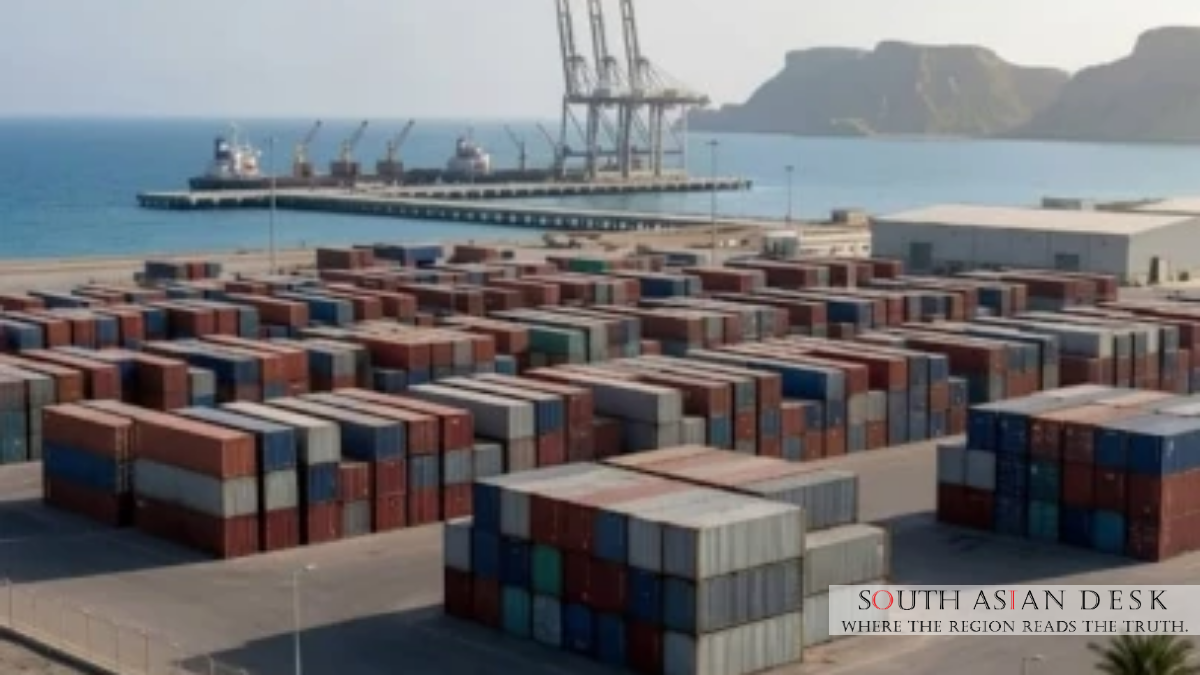
Pakistan’s trade deficit has reached alarming levels, hitting a 46-month high of $4 billion in April 2026. This surge is attributed to escalating geopolitical tensions involving Israel, the United States, and Iran, which have exacerbated the country’s import-export imbalance.
According to the Pakistan Bureau of Statistics, the trade deficit for April stood at $4.07 billion, marking a 4% year-on-year increase and a sharp 44% rise compared to March. The primary driver of this deficit is a significant uptick in imports, which rose to $6.55 billion. Analysts point to higher global commodity prices and supply chain disruptions as key factors.
The geopolitical situation in the Middle East, particularly the conflict involving Israel and US actions against Iran, has created uncertainty in global energy and shipping markets. As a country heavily reliant on imported fuel, Pakistan is particularly vulnerable to fluctuations in oil prices and freight costs, which directly impact its import bill.
Exports have offered limited relief, with a 14% increase year-on-year to $2.48 billion in April. However, this was offset by a 6% month-on-month decline, reflecting ongoing structural challenges in Pakistan’s export sector.
During the first ten months of FY26, the trade deficit reached approximately $32 billion, a 20% increase from the previous year. Total exports fell by 6% to $25.21 billion, while imports rose by nearly 7% to $57.19 billion. This imbalance highlights the persistent issue of Pakistan importing more than twice the value of its exports.
Business leaders have expressed concern over the widening trade gap. Muhammad Ikram Rajput, President of the Korangi Association of Trade and Industry, described the situation as alarming and called for immediate policy measures to curb non-essential imports and support domestic production. The Federation of Pakistan Chambers of Commerce and Industry has also urged the government to adopt an aggressive export-led strategy.
The outlook remains uncertain as geopolitical tensions continue to affect global markets. Without structural reforms, Pakistan’s economy could face renewed pressure on its balance of payments, potentially leading to further devaluation of the rupee and depletion of foreign exchange reserves.
Published in SouthAsianDesk, May 6, 2026
Follow SouthAsianDesk on X, Instagram and Facebook for insights on business and current affairs from across South Asia.