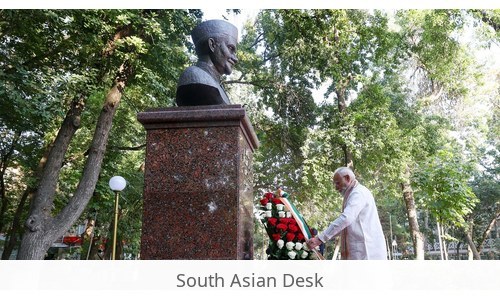
PM Modi tree planting Uzbekistan marked a historic moment in India-Uzbekistan relations as Prime Minister Narendra Modi and Uzbek President Shavkat Mirziyoyev jointly planted a tree in the Presidential Palace garden during Modi’s visit to Uzbekistan on August 30, 2026. The event, part of India’s ‘Ek Ped Maa Ke Naam’ initiative, honored the legacy of former Prime Minister Lal Bahadur Shastri while reinforcing diplomatic ties between the two nations. This symbolic gesture underscored India’s commitment to environmental initiatives diplomacy and its growing strategic engagement with Central Asia.
PM Modi tree planting Uzbekistan: Significance of Lal Bahadur Shastri’s Legacy
Lal Bahadur Shastri, India’s second Prime Minister, is remembered for his leadership during the 1965 Indo-Pak War and his advocacy for self-reliance. His legacy continues to influence India’s diplomatic engagements, particularly in fostering ties with Central Asian nations like Uzbekistan. By commemorating Shastri, Modi’s visit underscores India’s historical and cultural connections with Uzbekistan, a key player in regional stability and trade. Shastri’s emphasis on self-reliance aligns with India’s current push for economic autonomy, particularly in energy and infrastructure sectors, which are central to its relations with Central Asia.
The ‘Ek Ped Maa Ke Naam’ initiative, launched to promote environmental sustainability and national unity, has been used in various diplomatic contexts. The tree-planting event in Uzbekistan not only honors Shastri but also reinforces India’s commitment to climate action, a priority in global diplomacy. This initiative has previously been employed during state visits to countries like Nepal and Bhutan, where similar symbolic gestures have been used to highlight shared values and environmental cooperation.
Impact of Tree Planting Initiatives
Tree planting ceremonies have become a common diplomatic tool to symbolize environmental commitment and mutual respect. In this case, the initiative aligns with India’s broader climate goals while reinforcing bilateral relations. Similar gestures, such as Japan’s cherry blossom exchanges or China’s greening projects in Africa, highlight how environmental diplomacy can strengthen geopolitical partnerships. For India, such events also serve as a soft-power strategy, emphasizing ecological responsibility and cultural continuity.
The symbolism of planting a tree in a foreign country’s presidential garden carries multiple layers of meaning. It represents a commitment to sustainable development, a tribute to historical figures, and a reinforcement of bilateral ties. In Uzbekistan, where environmental challenges such as desertification and water scarcity are pressing issues, India’s emphasis on afforestation aligns with regional priorities. This shared focus on ecological resilience could pave the way for future collaborations in renewable energy and sustainable agriculture.
Broader Implications for South Asian Geopolitics
Uzbekistan’s strategic location at the crossroads of Central Asia and South Asia makes it a vital partner for India. Modi’s visit aligns with New Delhi’s efforts to diversify its energy and trade routes, reducing reliance on traditional corridors. Strengthening ties with Uzbekistan also positions India to counterbalance Chinese influence in the region, particularly through infrastructure and investment initiatives. The country’s vast natural resources, including oil, gas, and minerals, make it a key player in regional energy dynamics.
India’s engagement with Uzbekistan is part of a broader strategy to expand its footprint in Central Asia, a region historically dominated by Russian and Chinese interests. By deepening economic and strategic partnerships, India aims to secure alternative energy supplies and enhance its influence in regional trade networks. The visit also underscores the importance of multilateral cooperation, with India participating in forums such as the Shanghai Cooperation Organisation (SCO) to address shared security and economic challenges.
The tree-planting ceremony, while symbolic, signals a long-term commitment to fostering trust and collaboration. As India seeks to balance its relationships with multiple global powers, Uzbekistan’s role as a bridge between South Asia and Central Asia becomes increasingly significant. This visit may also pave the way for joint ventures in infrastructure, technology, and education, further solidifying the bilateral relationship.
Follow SouthAsianDesk on X, Instagram and Facebook for insights on business and current affairs from across South Asia.
Sources
- PM pays tribute to Lal Bahadur Shastri in Tashkent, plants tree with Uzbek President – thehindu.com
- PM Modi Pays Tribute To Lal Bahadur Shastri, Plants Tree In Uzbekistan – ndtv.com
Image: th-i.thgim.com