Pradhan resignation impact: On July 25, 2026, India’s Education Minister Dharmendra Pradhan resigned due to erosion of political capital within the ruling party, not security concerns, as reported by The Hindu. This development follows widespread protests and social media backlash, highlighting the political dynamics at play in the current government. The Pradhan resignation impact underscores the fragility of government stability India amid growing public dissent.
Pradhan resignation impact: Political Dynamics Behind the Resignation
The Hindu reports that Pradhan’s resignation was influenced by a significant erosion of political capital within the ruling party. This term refers to the informal influence and support a minister holds within their party, which is critical for maintaining policy agendas and navigating internal conflicts. The Indian Express highlights that concerns over a potential House washout—where the ruling party could lose its majority in the Lok Sabha—and larger protests contributed to Pradhan’s decision to resign. These factors indicate growing internal pressures on the ruling party to address public dissent. The resignation underscores the fragility of political alliances within the National Democratic Alliance (NDA), which has faced increasing scrutiny over its governance of key sectors, including education and infrastructure.
The timing of Pradhan’s exit also aligns with broader shifts in India’s political landscape. The ruling party has seen a decline in its traditional base of support among urban youth and middle-class professionals, who have become increasingly vocal about issues such as education policy, economic inequality, and governance transparency. This demographic shift has forced the party to recalibrate its strategies, often at the expense of senior ministers who fail to align with evolving public expectations.
Public Sentiment and Protests
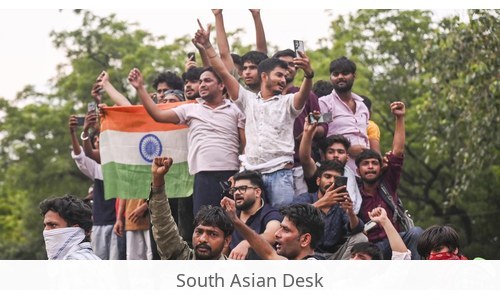
Youth-led protests erupted in celebration following Pradhan’s resignation, indicating significant public sentiment against his tenure, as noted by Dawn. The Cockroach Janta Party, a grassroots movement known for its anti-establishment rhetoric, led 36 days of continuous protests, as stated by Al Jazeera. These demonstrations, which began in late June 2026, were centered on demands for educational reforms, including the abolition of the National Eligibility cum Entrance Test (NEET) and the restructuring of the Central Board of Secondary Education (CBSE). The protests gained momentum after allegations of NEET paper leaks and subsequent police crackdowns, which were widely criticized on social media platforms like Twitter and Facebook.
The Cockroach Janta Party, though not officially recognized as a political party, has emerged as a powerful force in mobilizing youth through digital campaigns and decentralized organizing. Its influence reflects a broader trend of digital activism in India, where social media platforms have become critical tools for political engagement. The party’s ability to sustain a 36-day protest without significant fragmentation highlights the growing role of non-traditional political actors in shaping national discourse. The Pradhan resignation impact has been a catalyst for youth protests India, amplifying the movement’s reach and intensity.
Implications for the Ruling Party
Pradhan’s resignation reflects the challenges faced by the ruling party in maintaining political stability amidst public dissent. The impact on upcoming elections and the political landscape in South Asia remains to be seen. The ruling party’s ability to govern effectively in light of public dissent will be a critical test of its resilience. Analysts suggest that the resignation could lead to a reshuffling of ministerial portfolios, with a focus on placating the youth vote ahead of the 2027 general elections.
The appointment of Pralhad Joshi as the new Education Minister, as noted by NDTV, signals an attempt to address the unrest. Joshi, a former Union minister with a background in rural development, is expected to prioritize reforms in school education and vocational training. However, his credibility will depend on his ability to deliver tangible policy changes and restore public trust in the government’s educational framework. The Pradhan resignation impact has also raised questions about the long-term stability of the Indian Education Ministry and its alignment with public demands.
The resignation also raises questions about the long-term stability of the ruling party’s coalition. The NDA, which has relied on a mix of regional parties and ideological allies, may face renewed pressure to consolidate its base amid growing discontent. The protests and Pradhan’s exit could serve as a warning to other ministers about the consequences of perceived missteps or failures to address public grievances.
Published in SouthAsianDesk, 2026-07-26.
Follow SouthAsianDesk on X, Instagram and Facebook for insights on business and current affairs from across South Asia.
Image: th-i.thgim.com