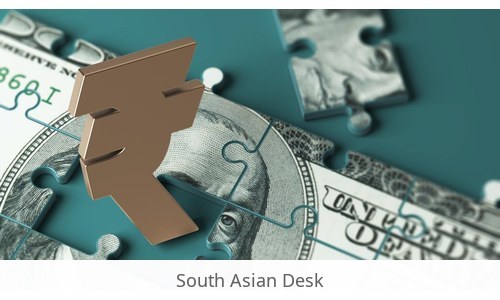
Rupee falls against U.S. dollar as the Indian currency declined 16 paise to 96.13 against the U.S. dollar in early trading on 2026-09-29, according to The Hindu. This Indian currency decline is linked to rising global oil prices and increasing U.S. nominal and real yields, which are drawing portfolio flows out of emerging markets including India. Forex traders highlighted the correlation between these factors and the rupee’s weakening, with the impact of oil prices on rupee amplifying the pressure on India’s foreign exchange reserves.
Rupee falls against U.S. dollar: Impact of Rising Oil Prices
India’s heavy reliance on imported crude oil makes it particularly vulnerable to global price fluctuations. With oil prices firming, import costs have risen, putting upward pressure on inflation and reducing the availability of foreign exchange. This dynamic has historically contributed to currency depreciation, as seen in the current 16-paise decline against the dollar. The impact of oil prices on rupee is further compounded by the U.S. monetary policy effects, as higher U.S. yields attract capital away from emerging markets like India. Analysts warn that this dual pressure could strain India’s trade balance, particularly in the context of Indian imports and exports.
India’s energy import dependency is a critical factor in this scenario. As one of the world’s largest oil importers, India accounts for nearly 80% of its crude oil needs through imports. The recent surge in global oil prices, driven by geopolitical tensions and supply chain disruptions, has significantly increased the cost of these imports. This has not only raised inflationary pressures but also reduced the availability of foreign exchange reserves, which are crucial for maintaining currency stability. The impact of oil prices on rupee is thus a direct consequence of this structural vulnerability.
U.S. Monetary Policy Effects
Rising U.S. yields have altered global capital flow patterns, with investors shifting funds from emerging markets to higher-yielding dollar assets. This outflow of capital has weakened the rupee further, compounding pressures from oil price increases. The combination of these factors has created a challenging environment for India’s foreign exchange reserves and trade balance. The emerging markets currency fluctuations are increasingly tied to U.S. policy shifts, which have broader implications for Indian imports and exports. For instance, while a weaker rupee may benefit exporters by making Indian goods more competitive globally, it also raises the cost of imported goods, including essential commodities like oil and machinery.
The U.S. monetary policy effects are not limited to capital flows but also influence global inflation expectations. As the Federal Reserve maintains higher interest rates to curb inflation, emerging markets like India face additional pressure to stabilize their currencies. This has led to increased borrowing costs for Indian corporates and a potential slowdown in investment. Meanwhile, the impact of oil prices on rupee remains a critical factor, as India’s energy security is closely tied to global oil markets. Analysts emphasize the need for a multi-pronged approach, including fiscal discipline, structural reforms, and strategic energy partnerships, to navigate these challenges.
Long-term Effects on Trade
A weaker rupee could have mixed implications for India’s trade. While it may improve export competitiveness by making Indian goods cheaper abroad, it also increases the cost of imports, including essential commodities like oil. Businesses are advised to hedge against currency volatility through forward contracts and diversify supply chains to mitigate risks. The Indian imports and exports sector faces a delicate balancing act as the Rupee falls against U.S. dollar continues to influence trade dynamics. Experts suggest that India may need to accelerate efforts to reduce its oil import dependency and boost domestic energy production to insulate itself from global price shocks.
India’s trade dynamics are further complicated by the interplay between currency depreciation and global demand. A weaker rupee can enhance the competitiveness of Indian exports, particularly in sectors like textiles, pharmaceuticals, and IT services, where India has a comparative advantage. However, this benefit is offset by the rising cost of imports, which could dampen consumer demand and inflation. The government and private sector are increasingly focusing on strategies to balance these effects, such as promoting exports through trade agreements and investing in renewable energy to reduce reliance on fossil fuels.
Broader Economic Implications
The U.S. monetary policy effects are not limited to capital flows but also influence global inflation expectations. As the Federal Reserve maintains higher interest rates to curb inflation, emerging markets like India face additional pressure to stabilize their currencies. This has led to increased borrowing costs for Indian corporates and a potential slowdown in investment. Meanwhile, the impact of oil prices on rupee remains a critical factor, as India’s energy security is closely tied to global oil markets. Analysts emphasize the need for a multi-pronged approach, including fiscal discipline, structural reforms, and strategic energy partnerships, to navigate these challenges.
India’s economic resilience will depend on its ability to manage these dual pressures effectively. The government has already initiated measures to diversify energy sources, including investments in solar and wind power, and has sought to strengthen energy partnerships with countries like the United Arab Emirates and Russia. These efforts aim to reduce the vulnerability of the Indian economy to global oil price fluctuations and U.S. monetary policy shifts.
Follow SouthAsianDesk on X, Instagram and Facebook for insights on business and current affairs from across South Asia.
Sources
- Rupee falls 16 paise to 96.13 against U.S. dollar in early trade – thehindu.com
- Stock Market LIVE Updates, Sensex Today: Sensex Drops 650 Points Lower, Asian Markets Fall – ndtv.com
Image: th-i.thgim.com