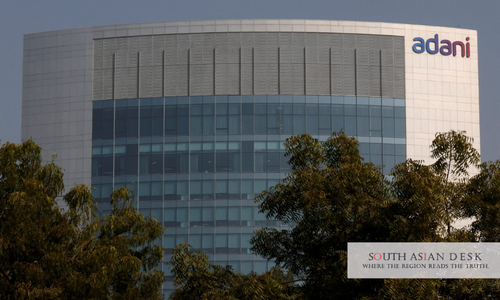
The SEBI Adani Hindenburg case has entered a fresh phase, with India’s markets regulator beginning personal hearings as it seeks to recover gains it believes were obtained through trades made with prior knowledge of a critical report on the Adani Group, according to people familiar with the matter.
The Securities and Exchange Board of India (SEBI) had said in 2024 that US-based Kingdon Capital Management built short positions in Adani-related stocks through a Mauritius-based fund linked to Kotak International, doing so before Hindenburg Research published its report in January 2023. A short position involves selling borrowed shares and buying them back once the price falls, with the difference pocketed as profit. When Hindenburg alleged that the Adani Group had violated securities law, the resulting selloff wiped out roughly $150 billion in the conglomerate’s market value.
Insider Trading Investigation Gathers Pace
The insider trading investigation forming the core of the SEBI Adani Hindenburg case has taken more than two years to reach the hearing stage, largely because the parties involved are based overseas and took time to respond to the regulator’s queries. SEBI maintains that it has jurisdiction over the matter regardless of where the entities are domiciled, arguing that the trades themselves took place within India.
In 2024, SEBI detailed what it described as a profit-sharing arrangement between Hindenburg and Kingdon, stating that six entities collectively gained $22.25 million from short-selling trades executed ahead of the report’s publication. The Adani Group has consistently denied any wrongdoing, and SEBI separately dismissed Hindenburg’s broader allegations of stock manipulation against the conglomerate. Hindenburg, for its part, has rejected the regulator’s characterisation of events, previously describing SEBI’s assertions as unfounded.
Neither SEBI, Hindenburg, Kingdon, nor Kotak has responded to requests for comment on the latest development.
Short-Selling Allegations and the Mauritius Insolvency
The short-selling allegations at the centre of the dispute gained a new dimension after the Mauritius-based fund linked to Kotak International entered insolvency proceedings. Mauritius’ Supreme Court appointed the managing director of business advisory and restructuring firm Quantuma as receiver in June, tasked with controlling and protecting the fund’s assets. Quantuma has declined to comment on the matter.
Reuters has not been able to establish whether any gains from the disputed trades were distributed to, or redeemed by, Kingdon as a beneficiary of the fund. On learning of the insolvency, SEBI wrote to the court-appointed receiver in the first week of July, asking that the fund’s assets not be transferred or distributed until the regulator had formally ordered the recovery of the alleged gains along with accrued interest.
Why Kingdon Capital Management Remains Central to the Case
Kingdon Capital Management sits at the heart of the regulator’s case because of its alleged use of the Mauritius-linked vehicle to build positions ahead of the Hindenburg report’s release. SEBI’s contention is that this timing points to advance knowledge of the report’s contents, which would constitute a breach of Indian securities regulations governing insider trading.
Legal observers have noted that the case is being closely watched for the precedent it may set in pursuing offshore entities and recovering assets held overseas. It has already produced an unusual legal manoeuvre, with SEBI attempting to secure a stay within a foreign insolvency proceeding in order to enforce its own penal action, a step rarely seen in cross-border securities enforcement.
Broader Regulatory Context
The SEBI Adani Hindenburg case forms part of a wider set of proceedings the regulator has pursued since the Hindenburg report first triggered scrutiny of the Adani Group’s finances and corporate structure. SEBI has already cleared the conglomerate of certain allegations while continuing to examine more than a dozen other matters involving Adani Group entities and associated offshore funds, according to sources familiar with the regulator’s work. Adani Group shares have shown resilience through these proceedings, with several listed entities posting gains as individual allegations have been resolved.
For now, the personal hearings mark a procedural milestone rather than a conclusion. The outcome will determine not only whether Kingdon Capital Management and its associated funds are required to return the disputed gains, but also how far Indian regulators can reach when pursuing recovery from entities structured through offshore jurisdictions.
Published in SouthAsianDesk, September 5th, 2026
Follow SouthAsianDesk on X, Instagram and Facebook for insights on business and current affairs from across South Asia.