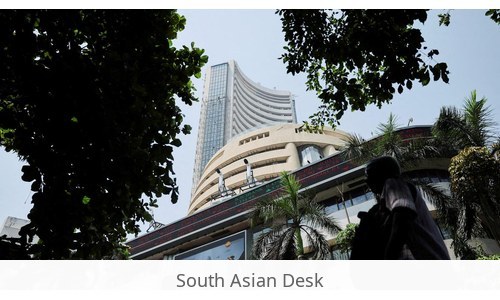
Sensex rebound marked a significant recovery in the Indian stock market on October 9, 2026, as the 30-share BSE Sensex surged 879.09 points, or 1.23%, to close at 72,472.33. The 50-share NSE Nifty also rose 288.65 points, or 1.30%, to end at 22,520.45, reflecting a Nifty recovery driven by renewed investor confidence in India. This Sensex rebound came after two days of losses, with investors’ wealth increasing by Rs 3.6 lakh crore, signaling a positive Indian stock market update.
Sensex rebound: Impact of Falling Crude Prices
Brent crude prices hovered near $104 a barrel amid Middle East tensions, according to NDTV. The falling crude prices have directly influenced inflation and economic growth projections, easing pressure on India’s trade deficit and boosting corporate earnings in sectors like manufacturing and transportation. This decline in oil prices has been a key factor in the Sensex rebound, as lower import costs reduce inflationary pressures and improve overall economic sentiment. Analysts note that the drop in crude prices has also benefited the banking sector, which saw gains in trading volumes, further reinforcing investor confidence in India.
The relationship between crude oil prices and the Indian economy is significant, as India is one of the largest importers of crude oil. A decrease in oil prices can lead to a reduction in the cost of goods and services, which in turn can stimulate consumer spending and investment. This positive feedback loop is crucial for sustaining economic growth in the country.
Performance of IT Stocks
The IT stocks rally was a major driver of the Sensex rebound, with companies like Tata Consultancy Services, Infosys, and Wipro posting significant gains. Analysts attribute this to improved global demand for IT services and a slowdown in inflationary pressures. The resilience of the IT sector amid macroeconomic uncertainties has made it a preferred investment destination, further reinforcing investor confidence in India. This performance aligns with broader trends in the Indian stock market update, where technology-driven growth is seen as a stabilizing force. The sector’s role in India’s economic growth, particularly in exports and innovation, has also been highlighted in regional analyses.
The IT sector’s contribution to the Indian economy cannot be overstated. It not only provides direct employment to millions but also plays a pivotal role in enhancing India’s global competitiveness. As companies continue to invest in digital transformation, the demand for IT services is expected to grow, further solidifying the sector’s importance in the overall economic landscape.
Investor Confidence and Market Outlook
The Sensex rebound has bolstered investor confidence in India, with wealth increasing by Rs 3.6 lakh crore. However, experts caution that sustained growth will depend on broader economic indicators, including inflation rates, industrial production, and global trade dynamics. The performance of IT stocks and the stability of crude prices will remain critical factors in shaping the market’s trajectory in the coming weeks. This Indian stock market update highlights the interplay between global and domestic factors influencing investor behavior.
Investor sentiment is crucial for the stock market’s performance. A rebound in the market often leads to increased investment, which can further drive growth. However, investors are advised to remain cautious and monitor economic indicators closely, as fluctuations in global markets can have a significant impact on local conditions.
Regional Market Trends and Broader Implications
While the focus remains on India’s Sensex rebound, regional markets also showed signs of recovery. In Nepal, the NEPSE index gained 17.15 points to close at 2,591, with a turnover of Rs 4.83 billion, reflecting synchronized regional economic optimism. This cross-border trend underscores the interconnectedness of South Asian economies and the role of falling crude prices in fostering a more stable investment climate across the region. The Nepal data, sourced from OnlineKhabar English, adds to the narrative of regional alignment in economic recovery.
The recovery in regional markets indicates a broader trend of economic stability in South Asia, which can be attributed to various factors, including improved trade relations and shared economic challenges. As countries in the region work towards recovery, the importance of collaboration and mutual support becomes increasingly evident.
Looking Ahead
As the Sensex rebound continues to unfold, market participants are closely monitoring policy announcements, global trade negotiations, and inflation data. The IT stocks rally and Nifty recovery suggest a resilient market, but sustained momentum will require consistent macroeconomic stability. With investor confidence in India at a pivotal juncture, the coming weeks will be critical in determining whether this upward trend translates into long-term growth.
Follow SouthAsianDesk on X, Instagram and Facebook for insights on business and current affairs from across South Asia.
Sources
- Sensex, Nifty rebounds over 1% after two days of losses; IT shares lead rally amid easing crude prices – thehindu.com
- Stock Market Highlights, Sensex Today: Sensex Closes 879 Points Higher, Investors’ Wealth Increases By Rs 3.6 Lakh Crore – ndtv.com
- All stock market indicators rise, banking gains traction – english.onlinekhabar.com
Image: th-i.thgim.com