Sri Lanka dengue outbreak figures have exceeded 76,000 infections as the government deploys Air Force drones, military personnel and police officers to contain the country’s worst surge in nearly a decade.
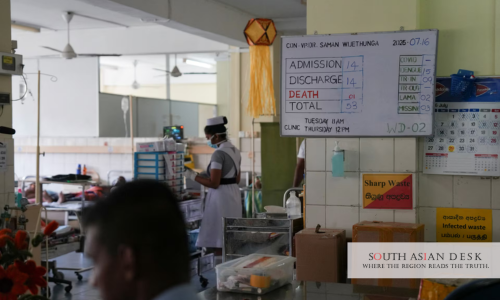
At least 76,044 dengue infections and 53 deaths have been recorded since the beginning of 2026. Health officials said the outbreak had intensified rapidly during the monsoon season, placing public hospitals and frontline workers under growing pressure.
The number of infections is approaching the scale of Sri Lanka’s severe 2017 outbreak, when more than 100,000 cases were reported.
Authorities are using drones to identify stagnant water on rooftops and in areas that are difficult to inspect from the ground. Military and police personnel have also joined public-health teams examining homes, schools, construction sites and religious institutions for mosquito breeding sites.
Sri Lanka dengue outbreak places hospitals under pressure
Hospitals have added beds, converted wards and extended staff working hours to manage the sharp increase in dengue patients.
More than 18,000 cases were recorded during the first two weeks of July. Sri Lanka reported 21,537 infections in June, more than twice the number registered in May.
Negombo, about 35 kilometres north of Colombo, is among the worst-affected areas. Its district general hospital treated nearly 1,800 dengue patients in less than two months from June, compared with approximately 1,050 during the whole of 2025.
The sudden rise has forced hospitals to adjust capacity at short notice. Doctors and nurses must monitor patients closely because dengue symptoms can worsen rapidly, particularly when platelet levels decline or bleeding complications develop.
Health officials have advised some patients with mild symptoms to recover at home under medical guidance to preserve hospital capacity for serious cases.
Sri Lanka has about four hospital beds for every 1,000 people, above the global average of fewer than three. However, health authorities have warned that this advantage could be eroded if infections continue rising at the current rate.
Air Force drones locate mosquito breeding sites
Sri Lanka Air Force drones are being used to survey rooftops, drainage areas and other locations where rainwater may have accumulated.
Dengue is spread through the bites of infected Aedes mosquitoes, which can breed in small quantities of stagnant water. Common breeding locations include discarded containers, roof gutters, tyres, plant pots, construction materials and uncovered water-storage tanks.
The aerial operation allows officials to examine places that may not be visible during conventional ground inspections. Drone footage can direct public-health workers towards suspected breeding areas and help them monitor larger neighbourhoods more efficiently.
The Air Force is also supporting some public hospitals with patient monitoring as medical workers struggle with the increased caseload.
The use of drones forms part of a broader dengue prevention campaign involving the Health Ministry, armed forces, police and local authorities. The technology does not eliminate breeding sites directly, but helps inspection teams identify where physical cleanup work is required.
DENV-2 strain linked to most infections
Around 75 per cent of the current dengue cases have been linked to the DENV-2 strain, according to the National Dengue Control Unit.
Sri Lankan health officials have described the strain as more virulent and capable of spreading rapidly. They have also reported greater severity among some patients during the latest outbreak.
There are four recognised dengue virus serotypes. Infection with one serotype does not provide complete protection against the others, and a later infection involving a different serotype can carry a higher risk of severe illness.
Common dengue symptoms include high fever, headache, muscle and joint pain, nausea, rash and loss of appetite. Severe dengue can result in bleeding, shock, organ impairment and death.
Most infected people experience no symptoms or recover after a mild illness. Patients showing warning signs, however, require prompt medical assessment and careful monitoring.
Cyclone damage worsens dengue conditions
The Sri Lanka dengue outbreak has developed in the aftermath of Cyclone Ditwah, which struck the country in November 2025.
The cyclone damaged critical infrastructure and health facilities while leaving debris and pools of stagnant water in affected communities. The World Bank estimated the resulting losses at approximately $1.4 billion.
Public-health officials had identified an increase in mosquito breeding sites after the cyclone. The damage compounded risks already associated with unplanned urbanisation, inadequate drainage and the seasonal monsoon.
In June, Sri Lanka had reported more than 44,000 dengue cases and 28 deaths since the start of the year. By July 21, the total had risen above 76,000, while the death toll had reached 53.
The increase means that more than 30,000 additional infections were recorded in approximately one month.
Military joins nationwide dengue prevention campaign
The government has intensified inspections and cleanup operations in the worst-affected regions.
Military personnel, police officers and public-health teams have inspected residential properties, schools, religious sites, construction projects and public buildings. The campaign focuses on removing containers and accumulated water that can support mosquito larvae.
Nearly 11,000 mosquito breeding sites were cleared during July. Authorities also imposed fines on more than 4,000 premises where breeding environments were found.
The enforcement measures place responsibility on homeowners, businesses and institutions to maintain their properties and prevent standing water from collecting.
Construction sites are a particular concern because uncovered materials, temporary containers and unfinished drainage systems can retain rainwater. Densely populated urban communities can also experience rapid transmission when breeding sites remain close to homes and workplaces.
Authorities consider dengue vaccine
Sri Lankan authorities are considering whether to introduce a dengue vaccine as part of the national response.
Health experts have cautioned that vaccination may offer limited benefits because several dengue strains circulate in the country and vaccine suitability can depend on factors including age, previous infection and local transmission patterns.
Vaccination would also not replace mosquito-control measures. Authorities would still need to remove breeding sites, strengthen disease surveillance and ensure that patients receive timely diagnosis and treatment.
Sri Lanka has not yet introduced a dengue vaccine nationally. Any decision would require an assessment of safety, effectiveness, eligibility and cost within the country’s public-health system.
Monsoon conditions may determine course of outbreak
Health officials expect dengue infections to begin declining as monsoon rainfall weakens in August. Persistent rain, however, could delay that reduction by continuing to create new mosquito breeding environments.
Authorities have warned that cases could rise again from November when Sri Lanka’s second annual monsoon season begins.
The behaviour of the DENV-2 strain has also made it difficult to predict precisely when the current surge will peak. Doctors have said the number of cases may plateau before falling, although the outbreak could continue beyond the end of July.
The immediate response remains focused on easing pressure on hospitals, identifying mosquito breeding sites and encouraging residents to remove stagnant water from their properties.
The deployment of Sri Lanka Air Force drones expands the government’s surveillance capacity, but the success of the campaign will depend on whether identified breeding grounds are removed quickly and consistently.
Published in SouthAsianDesk, July 22, 2026
Follow SouthAsianDesk on X, Instagram and Facebook for insights on business and current affairs from across South Asia.