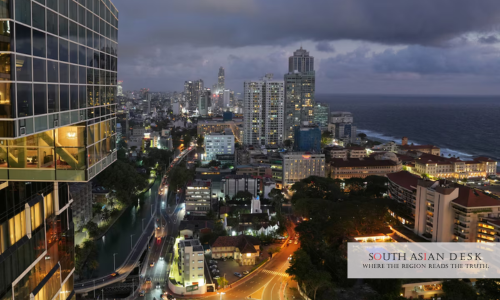
Sri Lanka IMF reforms are entering a decisive phase as the country moves closer to the end of its $2.9 billion bailout programme, with analysts warning that the island’s economic recovery depends on maintaining fiscal discipline, rebuilding reserves and attracting private investment.
Sri Lanka has made a notable recovery since its 2022 financial crisis, when a severe foreign exchange shortage pushed the country into default on $22.5 billion of foreign debt. The crisis led to shortages of fuel, food and medicine, triggering political turmoil and forcing Colombo to seek support from the International Monetary Fund.
The IMF programme has helped stabilise the economy, but the next stage may be harder. Sri Lanka has two reviews left under the bailout, and economists say the country must avoid slipping back into old fiscal habits once external supervision weakens.
Sri Lanka IMF Reforms and the Next Test for Recovery
A recent IMF team visit to Colombo ended with a familiar message: Sri Lanka must stay the course. The Fund has said reform momentum is essential to preserve fiscal and external sustainability, especially after shocks linked to the Middle East conflict and higher energy costs.
Reuters reported that Sri Lanka also regained upper-middle-income status from the World Bank this week and secured $150 million in new financing. These are positive signals, but analysts say they do not remove the need for deeper reforms.
The key priorities include stronger public finances, wider tax collection, transparent energy pricing, reform of loss-making state-owned enterprises and faster accumulation of foreign reserves.
Why Foreign Reserves Matter
Foreign reserves are central to Sri Lanka’s recovery because the 2022 crisis was caused in large part by a shortage of dollars. Without enough reserves, the country struggled to pay for imports and service external obligations.
Analysts cited by Reuters said Sri Lanka may need to purchase around $1.2 billion to $1.3 billion in reserves before the end of the year. Stronger reserves would help the country manage import costs, defend external stability and prepare for future debt repayments.
The need is more urgent because higher energy prices have already placed pressure on external accounts. Sri Lanka’s central bank raised policy rates by 100 basis points in May to ease pressure on reserves and inflation.
Tax Revenue and Public Finances
Another major challenge is tax revenue. Sri Lanka is being urged to raise tax revenue to around 15% of GDP and return to a 2.3% primary surplus target from 2027.
This is politically difficult because higher taxes are unpopular after years of economic hardship. However, without stronger revenue, the government may struggle to fund essential services, protect vulnerable households and meet debt obligations.
The IMF has also stressed the need to improve tax compliance, broaden the tax base and strengthen public financial management. These reforms are meant to prevent the re-emergence of arrears and reduce the risk of another debt crisis.
Energy Pricing and State-Owned Enterprises
Transparent energy pricing is another sensitive part of the reform agenda. Sri Lanka has previously suffered when fuel and electricity prices were kept artificially low, leaving state entities with large losses and adding pressure to public finances.
The IMF has urged Sri Lanka to maintain cost-recovery energy pricing while protecting vulnerable households through targeted support. This means prices should reflect actual costs, but low-income groups should receive direct relief where needed.
Loss-making state-owned enterprises, including SriLankan Airlines, remain another concern. Reforming these entities is seen as important for reducing fiscal risks and improving investor confidence.
Private Investment and Exports
Sri Lanka’s long-term recovery cannot rely only on IMF funding. The country needs private investment, stronger exports and job creation.
World Bank officials have said Sri Lanka must advance reforms that unlock private investment, support high-value exports and create employment. That is especially important because growth must become durable after the bailout ends.
However, external risks remain. Reuters reported that a 12.5% tariff is expected to affect about $3 billion of Sri Lankan exports to the United States from July. Such pressures could make it harder for the country to expand export earnings and rebuild reserves.
Can Sri Lanka Avoid Another Crisis?
Sri Lanka’s recovery is real, but still fragile. The country has regained stability, secured IMF support and improved its international standing. Yet the basic lesson of the 2022 crisis remains clear: weak public finances, low reserves and poor policy discipline can quickly undo progress.
The final phase of the IMF programme will test whether reforms can survive beyond emergency conditions. If Sri Lanka continues to widen its tax base, rebuild reserves, reform state enterprises and attract investment, it could return to international capital markets before major debt repayments resume in 2028.
If reforms slow down, the country may remain exposed to external shocks, energy price swings and renewed investor caution.
For now, the message from analysts and the IMF is simple: Sri Lanka has moved out of crisis, but staying out of crisis will require discipline long after the bailout ends.
Published in SouthAsianDesk, July 4, 2026
Follow SouthAsianDesk on X, Instagram and Facebook for insights on business and current affairs from across South Asia.