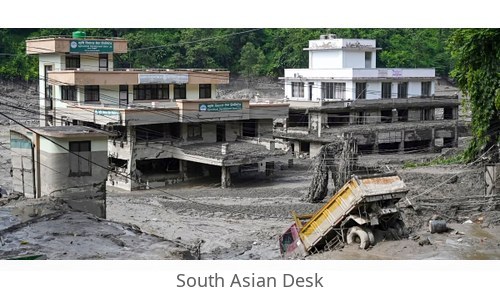
Sri Lankans in Nepal floods have become a critical concern as the Sri Lankan Ministry of Foreign Affairs, Foreign Employment and Tourism activated 24-hour emergency hotlines to assist its nationals in Nepal amidst devastating floods. The initiative aims to coordinate support for Sri Lankans currently in Nepal, where the crisis has claimed over 160 lives and left nearly 1,500 people missing, including at least 800 foreigners. This response highlights regional cooperation in crises, as governments across South Asia grapple with the escalating impacts of climate change and monsoon-related disasters.
Sri Lankans in Nepal floods: Impact on Sri Lankan Nationals
The Nepal floods impact has been particularly severe for Sri Lankan nationals, with reports indicating that several individuals are unaccounted for. The Morang and Sunsari district administrations in Nepal have requested details of individuals who have lost contact due to the flooding. Sri Lanka’s emergency hotlines are designed to provide immediate assistance to affected citizens, ensuring they receive guidance on evacuation, medical aid, and communication with family members. This response underscores the role of Sri Lanka hotlines activated in safeguarding the safety of its diaspora, many of whom work in sectors like construction and agriculture, making them vulnerable to displacement during natural disasters.
The crisis has also exposed the challenges faced by foreign nationals in Nepal, where infrastructure and Nepal emergency response systems are often strained during large-scale disasters. Sri Lanka’s initiative reflects a broader regional trend of governments prioritizing the safety of their citizens abroad, particularly in countries prone to extreme weather events. The activation of hotlines is part of a coordinated effort to ensure that affected individuals can access critical resources, including shelter, food, and medical care, while also facilitating communication with their families back home.
Regional Cooperation and Response
The Sri Lankan Ministry of Foreign Affairs has emphasized the need for regional cooperation in crises to manage the Nepal floods effectively. Authorities in Nepal have highlighted the importance of cross-border collaboration, with international aid being mobilized to support rescue operations and provide essential supplies to affected areas. This collaboration aligns with broader regional frameworks aimed at enhancing disaster preparedness and response mechanisms across South Asia.
The crisis has also highlighted the role of multilateral institutions in facilitating cross-border cooperation. For instance, the South Asian Association for Regional Cooperation (SAARC) has historically played a role in coordinating disaster relief efforts, though its effectiveness has been debated in recent years. The current situation in Nepal may serve as a catalyst for renewed regional dialogue on strengthening disaster management protocols, particularly in countries like Nepal, which are frequently affected by monsoon-related flooding.
Ongoing Rescue Operations
Rescue operations continue in Nepal as teams work to locate missing persons and deliver emergency supplies. Authorities have reported that the situation remains critical, with ongoing efforts to stabilize affected regions. The Sri Lankan government has urged its nationals in Nepal to remain vigilant and contact the emergency hotlines for assistance. These operations are being conducted under challenging conditions, with flooded roads, damaged infrastructure, and limited access to remote areas complicating relief efforts.
The scale of the disaster has also raised concerns about the long-term implications for Nepal’s economy and social fabric. The country’s reliance on seasonal labor migration, particularly to countries like India and Sri Lanka, means that the loss of life and displacement of workers could have ripple effects on both Nepal’s domestic economy and the labor markets of neighboring countries. Additionally, the destruction of infrastructure, such as roads and bridges, may hinder recovery efforts and delay the restoration of normalcy in affected regions.
Follow SouthAsianDesk on X, Instagram and Facebook for insights on business and current affairs from across South Asia.
Sources
- Emergency hotlines activated for Sri Lankans in Nepal – dailymirror.lk
- Morang and Sunsari administrations request details of those who lost contact in floods – english.onlinekhabar.com
- Nepal flash floods LIVE: More than 300 Indians missing – thehindu.com
- On Indians missing after Nepal floods, Centre asks states for info – indianexpress.com
- Nepal floods live: More than 160 killed, over 800 missing, rescue continues – aljazeera.com
Image: images.indianexpress.com