

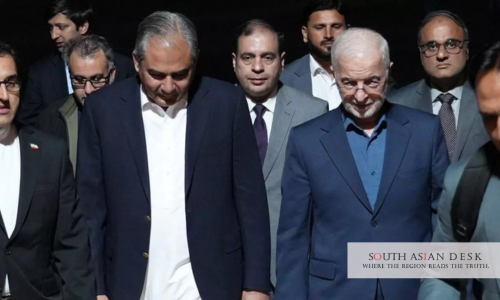
US-Iran talks are again drawing Pakistan into a delicate diplomatic role as Interior Minister Mohsin Naqvi travelled to Tehran amid a continuing stalemate between Washington and Tehran.
Naqvi’s visit comes as Pakistan attempts to revive indirect engagement between the United States and Iran, with regional tensions still high and both sides appearing reluctant to move first. According to Iranian state media and Pakistani media reports, Naqvi was carrying an important message for Iran’s supreme leader from Pakistan’s senior civil and military leadership.
The visit followed a meeting between Prime Minister Shehbaz Sharif and Naqvi in Lahore, where the interior minister reportedly received instructions before leaving for Iran. Pakistani officials have not publicly released the full content of the message.
US-Iran talks remain stalled despite Pakistan mediation
Pakistan has been trying to position itself as a mediator between Washington and Tehran, using its channels with both sides to encourage a return to dialogue. Earlier reports indicated that messages between the United States and Iran had been exchanged through Pakistani mediation, though major differences remained unresolved.
Naqvi’s latest Tehran visit appears to be part of that wider effort. He has travelled to Iran more than once in recent weeks, meeting senior Iranian officials at a time when Tehran and Washington have been exchanging proposals but failing to reach a breakthrough.
Iranian officials have said Tehran continues to examine proposals from the US side, while also warning that any fresh military pressure would worsen the regional crisis. Washington, meanwhile, has linked further progress to Iranian de-escalation and limits on its military and nuclear posture.
US-Iran talks: Pakistan seeks diplomatic opening in Tehran
Pakistan’s mediation effort is being shaped by both regional security concerns and its own strategic interests. A wider conflict between Iran and the United States would carry serious implications for Pakistan, including border security pressures, energy concerns, refugee risks and instability across the wider Gulf region.
For Islamabad, reviving US-Iran talks is also a way to present itself as a useful diplomatic actor at a time when the region is facing multiple overlapping crises. Pakistan shares a long border with Iran and has repeatedly said that disputes in the region should be settled through dialogue rather than escalation.
Naqvi voiced hope that regional crises could be resolved through diplomacy, according to reports on his Tehran visit. His meetings are expected to focus not only on the US-Iran track but also on bilateral security, border management and broader regional developments.
Tehran visit follows rising Iran-US tensions
The latest diplomatic move comes amid renewed tensions between Iran and the United States. Reports in recent weeks have pointed to stalled negotiations, fresh warnings from both sides and continued pressure over sanctions, regional security and Iran’s nuclear programme.
Pakistan’s role remains limited, as it cannot impose terms on either side. However, Islamabad can serve as a message carrier and confidence-building channel, particularly when direct engagement between Washington and Tehran remains politically difficult.
Analysts say any progress will depend on whether the United States and Iran are willing to narrow their differences on sanctions relief, security guarantees and regional de-escalation. For now, Pakistan’s outreach suggests that Islamabad is trying to keep the diplomatic track alive before the stalemate hardens further.
Naqvi’s Tehran visit may therefore not immediately restart US-Iran talks, but it signals that Pakistan is actively working to prevent the diplomatic channel from collapsing.
Published in SouthAsianDesk, June 7, 2026
Follow SouthAsianDesk on X, Instagram and Facebook for insights on business and current affairs from across South Asia.
