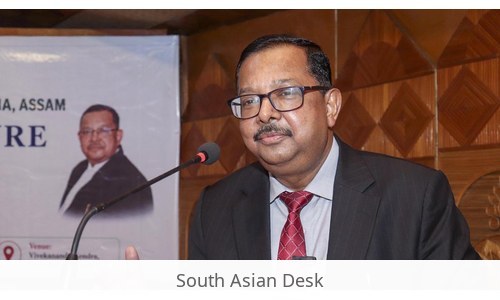
Voter disenfranchisement in India has become a critical issue in the nation’s democratic framework, as Justice Ujjal Bhuyan of the Supreme Court of India condemned the mass deletion of voters from electoral rolls as arbitrary and unconstitutional during a speech at NALSAR University of Law in Hyderabad on October 4, 2026. His remarks underscored the potential disenfranchisement of millions of Indian citizens and emphasized the need for accountability in electoral processes, particularly in safeguarding voter rights.
Voter Disenfranchisement in India: Electoral Integrity and Accountability
Justice Bhuyan’s critique comes amid growing concerns over electoral roll maintenance practices that risk excluding eligible voters. Public and political reactions to the Supreme Court’s stance have been mixed. While civil society groups have praised the judiciary’s intervention, some state-level officials have defended existing voter verification protocols as necessary to prevent fraud. The Supreme Court’s recent rulings on electoral transparency have increasingly focused on balancing administrative efficiency with constitutional safeguards, ensuring that voter disenfranchisement in India does not undermine the foundational principles of democracy.
Historical Context
India’s electoral system has faced periodic scrutiny over voter exclusion, particularly in regions with high migration rates or administrative challenges. Historical precedents, such as the 2011 electoral roll revisions, saw similar controversies over voter deletions, though no comparable judicial intervention occurred at the time. Justice Bhuyan’s remarks highlight a growing judicial emphasis on protecting voter rights as a cornerstone of constitutional democracy, reinforcing the need for electoral reforms to prevent systemic voter disenfranchisement in India. The 2011 revisions, which excluded over 18 million voters, sparked widespread protests and legal challenges, but the Supreme Court at the time deferred to the Election Commission’s authority. This contrast with Justice Bhuyan’s current stance underscores a shift in judicial priorities toward proactive protection of electoral rights.
The Supreme Court of India has long been a guardian of electoral processes, with Justice Bhuyan’s recent statements underscoring the judiciary’s role in ensuring electoral integrity. His critique aligns with broader discussions about the need for electoral reforms to modernize voter registration systems and reduce the risk of disenfranchisement. These reforms are essential to maintaining public trust in the electoral process and ensuring that every eligible citizen can exercise their right to vote without fear of exclusion.
The Role of the Supreme Court of India
Justice Bhuyan’s speech at NALSAR University emphasized that the process of disenfranchising millions of citizens is intrinsically arbitrary and strikes at the heart of the Constitution. He argued that no amount of whataboutery can justify the exclusion of voters en masse from electoral rolls. This stance reflects the Supreme Court’s evolving role in safeguarding voter rights and upholding electoral integrity through judicial oversight. The court’s recent emphasis on transparency in electoral roll maintenance has also led to calls for stricter guidelines on how deletions are processed, including mandatory documentation and public disclosure of reasons for removal.
Impact on Electoral Reforms
The debate over the result has intensified calls for electoral reforms that address systemic vulnerabilities in voter registration and verification. Experts argue that outdated procedures, such as manual roll revisions and inadequate digital infrastructure, contribute to the risk of disenfranchisement. Proposals include implementing biometric authentication, expanding voter education campaigns, and ensuring transparency in the deletion process. These measures aim to reduce errors and prevent the exclusion of eligible voters, particularly in rural and migrant communities where administrative challenges are most pronounced. However, critics note that the adoption of such reforms requires significant investment in technology and training for local election officials.
Civil Society and Public Response
Civil society organizations have rallied behind Justice Bhuyan’s critique, urging the Election Commission of India to adopt stricter guidelines for maintaining electoral rolls. Advocacy groups have also highlighted the disproportionate impact of voter exclusion on marginalized communities, including migrant workers and rural populations. These concerns underscore the urgency of electoral reforms to ensure equitable access to the ballot. In response to the Supreme Court’s intervention, several NGOs have launched awareness campaigns to educate voters on their rights and the mechanisms available to challenge erroneous deletions from electoral rolls. These efforts aim to empower citizens to hold authorities accountable and prevent systemic disenfranchisement.
Follow SouthAsianDesk on X, Instagram and Facebook for insights on business and current affairs from across South Asia.
Sources
- Process disenfranchising millions, turning them to second class citizens is arbitrary, says Justice Bhuyan – thehindu.com
- ‘Strikes At Heart Of Constitution’: Top Court Judge On Mass Deletion Of Voters – ndtv.com
Image: th-i.thgim.com