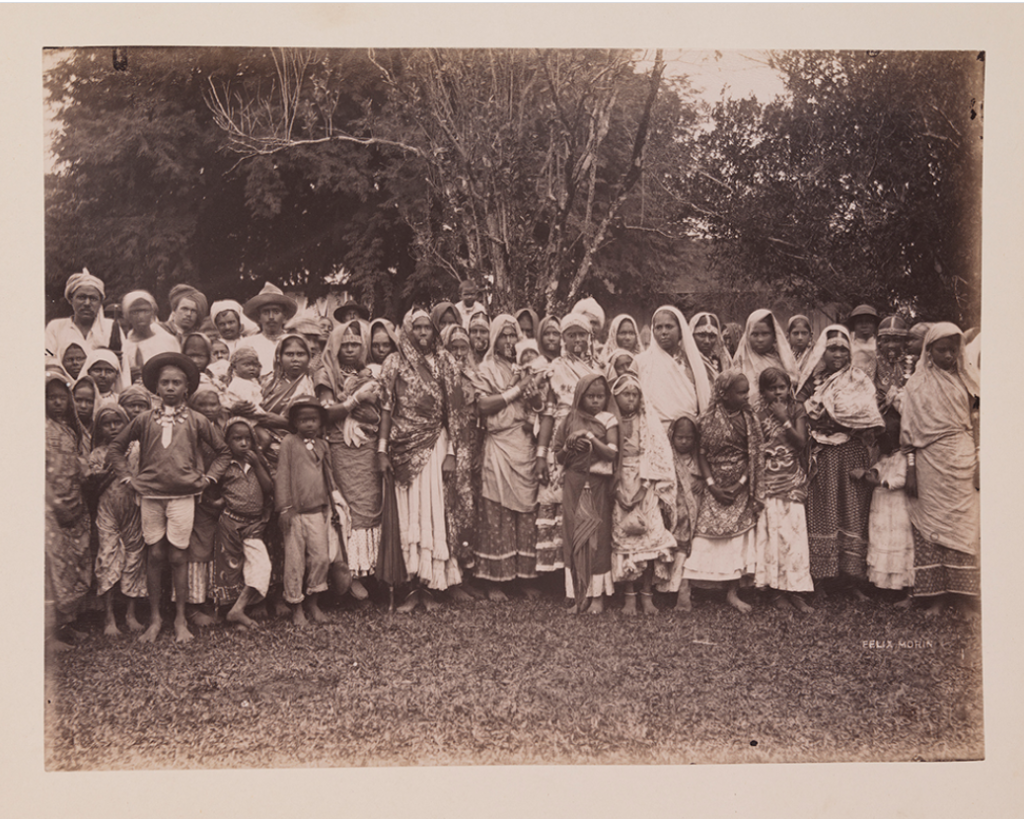
Punjab police initiated 3rd Phase of Afghan Deportation on Monday, targeting illegal residents across the province and transferring 123 individuals to holding centres for swift repatriation to Afghanistan via Torkham border.
3rd Phase of Afghan Deportation Kicks Off
Punjab authorities identified 123 Afghan nationals without valid documents. Police transported them to 46 holding centres, including five in Lahore. The process ensures boarding, lodging, and food provisions until border crossing.
Inspector General of Police Dr Usman Anwar directed forces to maintain high alert. “The police are on high alert across the province, ensuring the picking up of illegally residing Afghan nationals for repatriation as per international laws,” Anwar stated. He emphasised respect for human dignity and rights during operations.
The Punjab government claims 42,913 Afghan nationals repatriated since April 1, 2025, under the Illegal Foreigners Repatriation Plan. Punjab Police alone deported 21,805 illegal foreigners, including Afghans, in prior efforts.
This Afghan deportation phase focuses on those overstaying visas beyond one year or lacking legal status. Federal directives closed the last Afghan camp in Mianwali, leaving no operational facilities in Punjab.
Pakistan Afghan Deportation Drive Accelerates
Islamabad launched the Pakistan Afghan deportation drive in April 2025. It targets undocumented migrants amid security and resource concerns. Over 60,000 Afghans crossed back by mid-year, per United Nations data.
Provincial teams coordinate with federal agencies. NADRA verifies identities, while Federal Investigation Agency handles logistics. Deportations occur daily at Torkham and Chaman crossings.
Home Secretary Dr Ahmad Javed Qazi outlined procedures. “After the closure of Mianwali’s Kot Chandna camp, there is no operational Afghan Refugee Camp in the province,” Qazi said. He added that deputy commissioners oversee welfare at centres. “All Afghans residing in Pakistan shall have to leave except those having valid visas.”
Recent daily figures show momentum. On April 21, 3,387 illegal Afghans returned home. The previous day saw 7,762 departures. Punjab contributes significantly, with over 12,000 evicted in initial campaigns.
The drive affects 1.4 million registered Afghans nationwide. Proof of Registration cards expired June 30, 2025, triggering this phase. Authorities urge voluntary exits to avoid forced removal.
Afghan Refugees Punjab Repatriation Faces Scrutiny
Holding centres in districts like Lahore and Rawalpindi process detainees. Punjab funds transport to Torkham, about 200km from Lahore. Crossings operate round-the-clock for efficiency.
Local police conduct raids based on intelligence. Special Branch and Counter-Terrorism Department provide leads. No arrests exceed 50 per district to manage capacity. Afghan refugees Punjab repatriation highlights welfare measures. Detainees receive medical checks and family notifications. International laws guide operations, per police directives.
Critics note risks in Afghanistan’s instability. United Nations experts called for halts, citing dangers for returnees. Pakistan maintains the policy addresses security threats from undocumented stays. In Punjab, urban areas host most targets. Lahore alone detains hundreds monthly. Rural districts like Sialkot report fewer cases.
This phase aligns with federal goals. Interior Ministry coordinates phases, starting voluntary in October 2023, then phased removals. South Asia feels the ripple. Afghan deportation strains bilateral ties, boosts border tensions, and burdens Kabul’s fragile economy. Pakistan cites terrorism links, while returns swell refugee camps, altering migration patterns across the region.
Background: Roots of the Pakistan Afghan Deportation Drive
Afghan influx began in 1979 amid Soviet invasion. Pakistan hosted millions, establishing camps in Khyber Pakhtunkhwa, Balochistan, and Punjab. Commissionerate for Afghan Refugees managed aid under SAFRON.
Post-2021 Taliban takeover, pressures mounted. Over 5.7 million Afghans remain regionally, per UNHCR. Pakistan’s 2023 plan phased out stays, denotifying 15 camps by July 2025. First phase targeted undocumented. Second extended to cardholders. Third enforces full compliance. Tripartite agreements with Afghanistan and UNHCR promote voluntary returns since 2003. Extensions lapsed, prompting action.
Economic costs factor in. Hosting strains PKR 500 million annually in Punjab alone for services. Security incidents linked to militants fuel urgency. Punjab’s Kot Chandna camp, once housing thousands, closed last month. Relocations to holding centres streamlined processes. Historical pacts ensured dignity. Current drive echoes 2002-2007 repatriations, when 3.5 million left voluntarily.
Challenges in Afghan Refugees Punjab Repatriation
Repatriation logistics challenge authorities. Torkham sees queues, delaying crossings. Weather hampers mountain routes. Families split during operations. Children and elderly require special care. Punjab allocates funds for essentials.
International aid groups monitor compliance. Amnesty International flagged opaque plans in March 2025. They urged withdrawals for refugees. Pakistan counters with data. Over 1 million registered renewals lapsed June 2025. Voluntary options persist for compliant individuals.
Provincial variations exist. Punjab’s urban density aids identifications. Khyber Pakhtunkhwa reports higher volumes near borders. Media campaigns inform residents. Punjab Home Department ran drives October 29-31, 2023, explaining policies.
What’s Next for Afghan Deportation
Federal officials plan quarterly reviews. Interior Minister eyes full clearance by year-end. Extensions possible for vulnerable groups. Bilateral talks with Kabul address returns. Saudi Arabia and Qatar mediate humanitarian aid. UNHCR seeks funding for reintegration. USD 100 million pledged for Afghan villages. As operations continue, Afghan deportation remains central to Pakistan’s security framework. Punjab’s resolve signals no reversals ahead.
Published in SouthAsianDesk, October 12th, 2025
Follow SouthAsianDesk on X, Instagram, and Facebook for insights on business and current affairs from across South Asia.