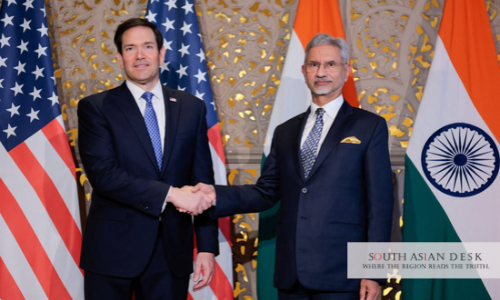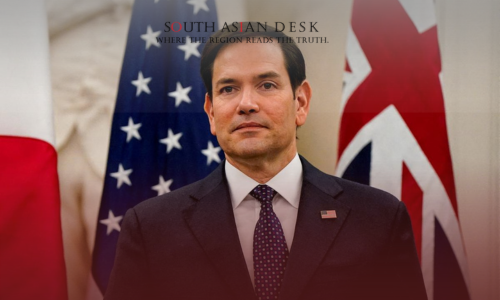
As India marked its Independence Day with parades and patriotic fervour, a message from across the ocean brought a touch of warmth mixed with quiet resolve in US India relations. Secretary of State Marco Rubio extended heartfelt congratulations, painting a picture of two democracies standing firm against the winds of change. His words, shared on 15 August 2025, come at a time when tariffs have cast a shadow over economic ties, yet they stir a sense of shared destiny that many in South Asia hold dear.
Rubio spoke of the bond between the world’s oldest and largest democracies as something profound and enduring, a connection that reaches into the lives of ordinary people. “The historic relationship between the world’s largest democracy and the world’s oldest democracy is consequential and far-reaching,” he said, evoking images of families separated by continents but united by opportunity. In villages and cities alike, this partnership means jobs, education, and hope for a better life. Yet, with recent US tariffs on Indian exports looming large, his assurance that the two nations will “rise to the modern challenges of today and ensure a brighter future” feels like a timely embrace, reminding readers of the resilience that defines such alliances.
Navigating Trade Tensions in US India Relations
The backdrop to Rubio’s message is one of strain, with the US administration imposing a 25 per cent tariff on certain Indian goods earlier this year. Linked to India’s dealings in global energy markets, these measures have sparked concerns among exporters and workers in sectors like textiles and pharmaceuticals. For many South Asians, whose livelihoods depend on steady trade, this development brings a pang of uncertainty, echoing the everyday struggles of balancing global pressures with local needs.
Rubio, however, chose to focus on unity, highlighting how the US and India share a vision for a peaceful and prosperous Indo-Pacific. This region, vital to billions, faces its own set of trials, from security issues to environmental threats. His words suggest that while tariffs present hurdles, they are part of broader conversations that could lead to fairer outcomes. It’s a narrative that resonates, offering solace to those who see diplomacy as a bridge over troubled waters.
Beyond the immediate frictions, Rubio’s address celebrated areas where collaboration shines. He noted that the partnership spans industries, driving progress in critical technologies and even reaching into space exploration. Picture engineers in Bangalore working alongside counterparts in California, their joint efforts launching satellites that connect remote communities. This evokes a swell of pride for South Asian readers, who often draw inspiration from such stories of ingenuity and teamwork.
In the face of tariffs, these cooperative ventures stand as pillars of strength. They promise not just economic gains but a legacy of innovation that benefits generations. Rubio’s emphasis on pushing boundaries together stirs emotions of aspiration, particularly for young people in India dreaming of careers in tech and science. It’s a reminder that bilateral relations are about more than trade figures; they’re about human potential and shared dreams.
Marco Rubio’s Call for a Secure Indo-Pacific
At the heart of Rubio’s message lies a commitment to regional stability. He described the US and India as partners in building a more secure Indo-Pacific, a goal that touches on the daily realities of fishing communities and traders along vast coastlines. Amid geopolitical shifts, this vision offers reassurance, countering the unease brought by tariffs with a focus on long-term security.
Rubio’s role in US policy adds weight to his words. Known for his firm stance on international matters, his conciliatory tone here signals a willingness to dialogue. For South Asians watching global events unfold, it humanises diplomacy, showing leaders as stewards of relationships that affect real lives, from farmers to families abroad.
As tariffs continue to influence discussions, Rubio’s Independence Day greeting serves as a beacon. It acknowledges the complexities without dwelling on discord, instead pointing to a future where cooperation prevails. This approach fosters hope, especially in a region where historical ties with the US have brought both opportunities and tests.
The message aligns with ongoing efforts to deepen ties, from defence pacts to cultural exchanges. While tariffs may prompt tough negotiations, they also highlight the need for balanced partnerships. Rubio’s optimism, that the US and India will tackle modern challenges side by side, leaves readers with a sense of solidarity, a feeling that enduring bonds can weather any storm.
In this spirit of mutual respect, the dialogue between the US and India presses on, with figures like Rubio guiding the way. As nations navigate tariffs and beyond, their bilateral relation remains a testament to what democracies can achieve when they stand united.
Published in SouthAsianDesk, August 16th, 2025
Follow SouthAsianDesk on X, Instagram, and Facebook for insights on business and current affairs from across South Asia.