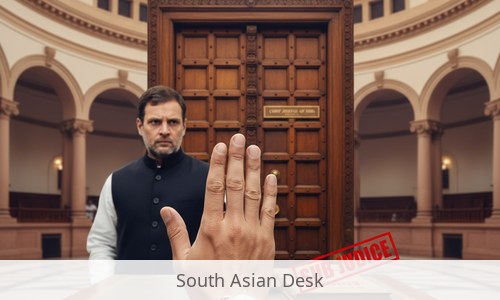
Delhi protests against Election Commission: Delhi protests against the Election Commission have intensified as tens of thousands of police and security personnel have been deployed across New Delhi ahead of the planned rally against Chief Election Commissioner Gyanesh Kumar. The protests, which involve opposition leaders marching to the Supreme Court, have prompted significant security measures, including barricades, traffic curbs, and the closure of six Delhi Metro stations. The demonstrations, part of a broader movement demanding accountability from the Election Commission of India, highlight ongoing tensions in the political landscape and raise concerns about electoral integrity and public trust in the commission’s operations.
Delhi protests against Election Commission: Key Developments
The Chief Justice of India, Surya Kant, declined a meeting request from Rahul Gandhi due to the issues being sub judice, as reported by The Hindu. This decision underscores the legal sensitivity of the protests, which involve allegations of electoral irregularities and potential challenges to the Election Commission’s authority. Separately, the Delhi High Court refused to hear a plea challenging the closure of Jantar Mantar for peaceful protests, also per The Hindu. This refusal has drawn criticism from activists who argue that the restriction on assembly undermines democratic principles. Indian authorities have detained protesters in anticipation of the march, according to Khaama Press, reflecting the government’s emphasis on maintaining order during the demonstrations.
The Gyanesh Kumar protests have drawn attention to the Supreme Court march as a symbolic act of resistance against perceived electoral irregularities. Opposition leaders argue that the Election Commission’s decisions require greater scrutiny to ensure India’s electoral integrity. Meanwhile, the Gyanesh Kumar protests have drawn attention to the need for transparency in electoral processes, with critics alleging that the commission’s actions may compromise fair elections. The Rahul Gandhi meeting request, though denied, has sparked discussions about the political implications of the protests and the potential for dialogue between opposition leaders and judicial authorities.
Government Response
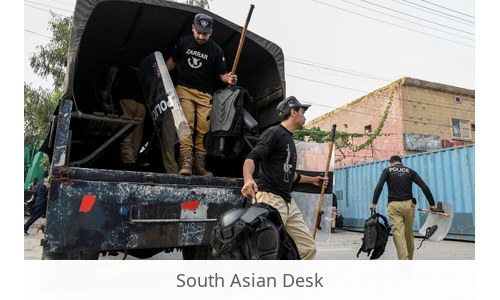
Tens of thousands of police and security personnel have been deployed across central Delhi as part of the security measures, as noted by Khaama Press. Barricades have been erected across key locations, and traffic curbs have been implemented in areas such as Bharion Road-MGM T-Point and Lodhi Road Flyover, as reported by NDTV. These measures aim to prevent disruptions and ensure the safety of participants and bystanders. Six Delhi Metro stations have been shut down in response to the Delhi protests against the Election Commission, according to NDTV, affecting daily commuters and highlighting the scale of the security operation.
The government’s response has emphasized security and order, with authorities maintaining a firm stance on managing the protests. However, the public’s demand for accountability and transparency remains a central theme in the discourse surrounding the result. The deployment of security forces and the closure of public spaces reflect the government’s prioritization of maintaining stability during the demonstrations.
Public Sentiment
The ongoing protests against the Election Commission are part of a larger movement demanding accountability from the Election Commission of India, reflecting ongoing tensions in the political landscape. The situation underscores concerns about electoral integrity and public trust in the commission’s operations. The Rahul Gandhi meeting request and the Delhi High Court Jantar Mantar issue have further fueled debates about the balance between protest rights and security protocols.
The protests have also highlighted the role of the Supreme Court march as a symbolic act of resistance against perceived electoral irregularities. Opposition leaders argue that the Election Commission’s decisions require greater scrutiny to ensure India’s electoral integrity. Meanwhile, the Gyanesh Kumar protests have drawn attention to the need for transparency in electoral processes, with critics alleging that the commission’s actions may compromise fair elections.
The Delhi High Court Jantar Mantar closure has become a focal point of contention, with activists arguing that the restriction on peaceful assembly undermines democratic principles. The Rahul Gandhi meeting request, though denied, has sparked discussions about the political implications of the protests and the potential for dialogue between opposition leaders and judicial authorities.
As the situation unfolds, the government’s response continues to emphasize security and order, with authorities maintaining a firm stance on managing the protests. However, the public’s demand for accountability and transparency remains a central theme in the discourse surrounding the result.
Follow SouthAsianDesk on X, Instagram and Facebook for insights on business and current affairs from across South Asia.
Sources
- Anti-CEC row LIVE: Opposition leaders set to march to Supreme Court; security beefed up outside Parliament Street police station – thehindu.com
- Metro, Traffic Curbs In Delhi Ahead Of INDIA Bloc’s March To Supreme Court – ndtv.com
- India Detains Hundreds, Locks Down Delhi Ahead of Protest Against Election Chief – khaama.com