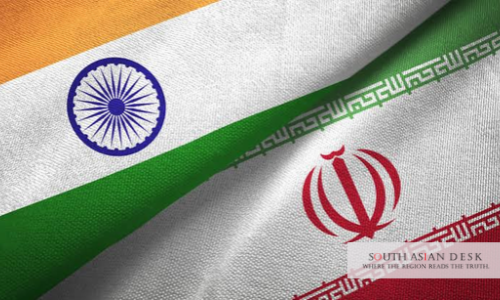
India will continue to facilitate the transport of life-saving medicines to Iran, the Ministry of External Affairs (MEA) said on Friday, October 23, describing the effort as a humanitarian gesture at a time when the West Asia conflict has disrupted air links between the two countries. The assurance came from MEA spokesperson Randhir Jaiswal at the ministry’s bi-weekly media briefing in New Delhi.
What the MEA Said
Mr. Jaiswal told reporters that India remains in communication with its Iranian counterparts to ensure that essential medicines reach the country. According to ANI, he said New Delhi had been facilitating the transport of such supplies and would keep doing so on humanitarian grounds.
The remarks followed reports that Iranian aircraft had been denied clearance to fly to India to collect medical supplies. As The Tribune noted, the MEA did not directly address the specific claim about airspace clearances, nor did it confirm whether any Iranian aircraft had been refused permission. The ministry instead reiterated its broader position that it is working to keep the movement of medicines going.
Why Life-Saving Medicines to Iran Remain a Priority for New Delhi
The shipment of life-saving medicines to Iran is not a new feature of the relationship. Earlier in the conflict, India handed over a consignment of medicines to the Iranian Embassy in New Delhi as humanitarian assistance. Reports at the time said the supplies would be sent onward by road through neighbouring countries.
Medicines purchased with donations from Indian citizens have also been in the pipeline. Reports indicated that around 40 tonnes of medicine bought in India had been waiting at the Iranian embassy. The plan to fly them out was complicated after a Mahan Air aircraft assigned to the task was damaged in an air strike at Mashhad airport. A second consignment of donated supplies later reached the Red Crescent Society of Iran, with the Iranian mission thanking the Government of India for facilitating the arrangements.
India has supplied pharmaceuticals to Iran in the past as well. During the 2012-13 sanctions period, Iran sought essential drugs from Indian manufacturers, and reports at the time described a request covering 28 medicines for conditions that included cancer and heart disease.
Flight Disruptions Complicate Humanitarian Logistics
The regional conflict has made even routine transport difficult. Gulf News reported that the fighting has largely centred on attacks involving commercial shipping, a United States blockade of Iranian ports and tensions over the Strait of Hormuz. With sea and air routes under strain, time-sensitive cargo such as medicines depends heavily on overland arrangements and diplomatic coordination.
Medicines for chronic and critical illnesses cannot easily be delayed. Any interruption in supply can carry serious consequences for patients, which is why the movement of such goods is generally treated as a humanitarian matter distinct from wider political disagreements.
Diplomatic Contacts Continue
The MEA statement comes amid a series of high-level exchanges between the two countries. National Security Adviser Ajit Doval spoke by telephone with Mohsen Rezaei, secretary of Iran’s Supreme National Security Council, on October 12. The Gulf News report said the call covered bilateral issues, the regional situation and the safety of Indian seafarers and tankers.
On Tuesday, Defence Minister Rajnath Singh met Iran’s First Vice President, Mohammad Reza Aref, on the sidelines of the Shanghai Cooperation Organisation Heads of Government meeting in Dushanbe, according to ANI. Earlier in the conflict, the Prime Minister also spoke directly with the Iranian President, and the two Foreign Ministers held regular discussions, as reported by Kerala Kaumudi.
The Road Ahead
For now, New Delhi’s message is one of continuity. The MEA has not announced new shipment figures or a fresh timeline, and it has not detailed the routes being used. What it has made clear is that India intends to keep the channel for life-saving medicines to Iran open through continued engagement with Tehran, even as flight disruptions and the wider conflict make the task harder. Observers will be watching whether the contacts between the two governments translate into smoother transport arrangements in the weeks ahead.
Follow SouthAsianDesk on X, Instagram and Facebook for insights on business and current affairs from across South Asia.
Read More: