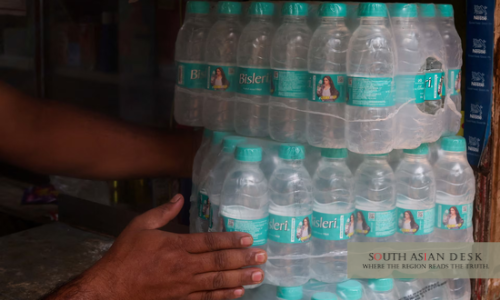
A second unsafe Bisleri water sample has come to light in India, deepening scrutiny of the country’s biggest and most popular packaged-water brand. A regulatory document seen by Reuters shows that authorities found a sample of Bisleri-branded water to be unsafe because of coliform bacteria. The finding follows another case disclosed earlier in the week, when the food regulator said it had found a separate sample unsafe because of chemicals that health agencies say may cause cancer.
What the Regulatory Notice Says
The notice, dated August 12, was issued by the Food Safety and Standards Authority of India (FSSAI) to Bisleri. It relayed the regulator’s findings to the company and asked it to prohibit the sale of the affected batch. The document described the sample as “non-conforming (UNSAFE)” and stated that it showed the presence of coliform.
A government official, who declined to be named because the results are not public, told Reuters that the sample was tested a second time for confirmation and was again found unsafe. Coliform bacteria are widely used as indicators of possible contamination in drinking water, which is why their detection in a bottled product is treated seriously by food safety regulators. The regulator did not immediately respond to a request for comment.
Bisleri Disputes the Findings
Bisleri, which is based in Mumbai, told Reuters in a statement on Saturday that it had recalled the batch in August on the government’s instructions. The company acknowledged that the primary and referral laboratories had reported coliform bacteria in the regulatory sample. It said, however, that it had commissioned independent testing of samples from the same batch, and that those tests found the batch met the applicable standard for coliform bacteria and all other applicable food safety standards.
The company said the difference between the regulatory and independent results warrants a thorough review, and that it will continue to cooperate fully with the regulator to establish the facts. Bisleri says it operates 130 plants and works with 5,980 distributors. Tata, the multinational conglomerate, was previously in talks to acquire the bottler, which counts several Bollywood stars among its brand ambassadors.
Why the Brand Carries Such Weight
The significance of an unsafe Bisleri water sample extends beyond one company. Bisleri’s bottles, which sell for about 20 cents, have made it a household name in a country where poor water quality has turned bottled water into a necessity for homes and restaurants. The brand has remained the market leader while competing with PepsiCo and Coca-Cola in India’s packaged drinking water market, which is valued at $3.5 billion.
Consumer concern was already elevated this week after the regulator said it had found a separate Bisleri sample unsafe because of chemicals. In that first case, court records show that the regulator has initiated prosecution proceedings, which could include a jail term and a fine for manufacturing a sample found unsafe.
Wider Scrutiny of Packaged Drinking Water
The findings have prompted a broader response. Reuters reported on Monday that the food regulator asked all states to strengthen oversight and intensify surveillance of the packaged drinking water industry in light of the Bisleri results. States were ordered to carry out regular inspections and risk-based sampling of packaged drinking water and mineral water, with appropriate action to be initiated in cases of non-compliance.
The additional checks will increase regulatory oversight of other major players in the sector, including PepsiCo, Tata Consumer, Coca-Cola and Reliance Consumer, the company controlled by billionaire Mukesh Ambani. All of them have made significant investments in the market.
The episode also fits a wider pattern. Indian authorities have stepped up enforcement against major food and drinks brands in recent weeks, with federal and state regulators conducting numerous raids and reprimanding companies over improper labelling. The actions have affected businesses ranging from Domino’s to Diageo. This week, the Supreme Court also tightened proposed warning labels, which was another setback for the country’s $100 billion food and beverage industry.
What Comes Next
For now, the two findings against Bisleri rest on regulatory testing that the company contests, and neither has been tested in court. The gap between the official laboratory results and the independent tests commissioned by the company is likely to be a central issue as the review proceeds. Consumers, retailers and competitors will be watching closely to see whether the dispute is resolved through further testing or through legal proceedings, and whether the intensified inspections of packaged drinking water uncover problems at other brands.
Follow SouthAsianDesk on X, Instagram and Facebook for insights on business and current affairs from across South Asia.
Read More: