Bangladesh measles deaths and vaccination coverage failures have combined to push the child death toll from the country’s ongoing outbreak past 900, with eight more deaths reported in the 24 hours to Saturday morning. A total of 902 children have died from measles or measles-like symptoms since March 15, according to the latest data from the Directorate General of Health Services (DGHS).
Bangladesh Measles Deaths and Vaccination Coverage Data Point to Widening Gaps
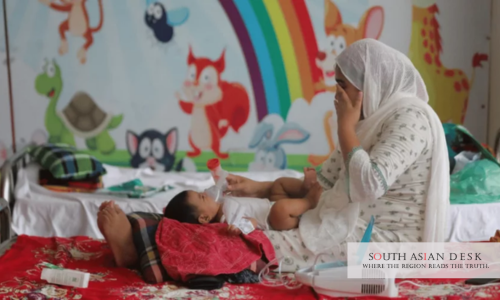
Of the 902 deaths recorded so far, 803 occurred among children with measles-like symptoms, while 99 involved confirmed measles cases. The DGHS disclosed the figures in its latest measles situation report on Saturday afternoon. No death among confirmed measles patients was reported in the most recent 24-hour period, though 70 new confirmed cases were detected and 728 children developed measles-like symptoms during that time. A further 700 children were admitted to hospitals, while 549 were discharged after treatment.
Between March 15 and Saturday, Bangladesh recorded 141,776 suspected measles cases and 17,800 confirmed cases nationwide. Of these, 123,494 patients were hospitalised, with 119,089 subsequently discharged. The scale of Bangladesh’s measles deaths and vaccination coverage shortfalls has raised sustained concern among public health experts about how the outbreak has been managed since it began.
Why Bangladesh’s Measles Outbreak Remains Uncontrolled
The continued fatalities despite an ongoing vaccination campaign have raised questions about the government’s measures to contain the outbreak. Public health experts say many children in the target age group remain outside vaccination coverage, and the absence of adequate guidelines and coordinated instructions has further complicated the response. Experts believe the outbreak could have been brought under control sooner had appropriate decisions been taken at an earlier stage and effectively implemented at the grassroots level.
DGHS Director General Prabhat Chandra Biswas said infections have declined somewhat and are expected to fall further, noting that awareness campaigns are being conducted alongside vaccination drives. The DGHS has also launched an initiative to determine the actual causes of death among children who died after developing measles, instructing divisional directors to review whether the deaths were caused by measles or pneumonia. Biswas said pneumonia deaths following the outbreak have not emerged as a significant separate issue, although pneumonia naturally causes many child deaths in Bangladesh.
Concerns Over Measles-Rubella Vaccination Targets
Former IEDCR director Professor Mahmudur Rahman said controlling infections is essential to reducing Bangladesh’s measles deaths, and that ensuring proper vaccination coverage should be the government’s first priority. Public health and vaccine expert Tajul Islam A. Bari questioned the government’s vaccination coverage figures, saying they do not reflect the actual situation on the ground. He noted that the vaccination programme’s target was set at around 18 million in 2010, and despite significant population growth since then, a similar target has been applied to the current measles-rubella vaccination drive, which he described as inappropriate.
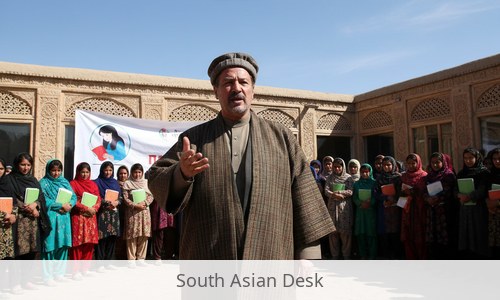
Bari said measles transmission cannot be controlled without vaccinating children who have been left out of the programme, adding that at least 95 percent of a population must be immunised to effectively halt transmission. EPI Deputy Director Sabbir Ahmed said the Expanded Programme on Immunization is working to vaccinate children aged six to 59 months who have not yet received doses, with health workers instructed to go door to door to identify unvaccinated children. Sabbir noted that children below six months and those above five years are currently being affected at higher rates, meaning children outside the routine vaccination age also remain at risk, though there is currently no plan to expand the programme to cover them.
Healthcare System Weaknesses Compound the Crisis
Public health expert Mushtaq Hossain said weaknesses in the healthcare system, alongside vaccination gaps, are contributing to Bangladesh’s rising measles deaths. He said some deaths could have been prevented had the healthcare system been more effective, and that public awareness also remains inadequate. Mushtaq advised parents to keep children with fever separated from others and to seek treatment at a local health centre if fever persists, calling for stronger primary healthcare facilities to bridge the gap between intensive care and home-based treatment.
Professor Benazir Ahmed, former chief scientific officer of the IEDCR, said the government had not taken sufficient action to tackle the outbreak, pointing to the health minister’s announcement that an additional 100,000 children would be brought under vaccination coverage as evidence that coverage remains below the required level. He said at least 95 percent of children in the target age group must be vaccinated, or transmission will continue among those left unprotected.
Experts Call for a Coordinated National Response
Professor Mahmudur Rahman, who also chairs the National Verification Committee on measles-rubella vaccination, called for coordinated decision-making involving multiple experts, noting that children below six months are also being infected and require a separate strategy. He said authorities should consider vaccinating children outside the routine age range given the continued transmission, and that sustainable improvement will not be possible unless underlying technical issues are identified and addressed based on expert recommendations.
Published in SouthAsianDesk, August 16th, 2026
Follow SouthAsianDesk on X, Instagram and Facebook for insights on business and current affairs from across South Asia.