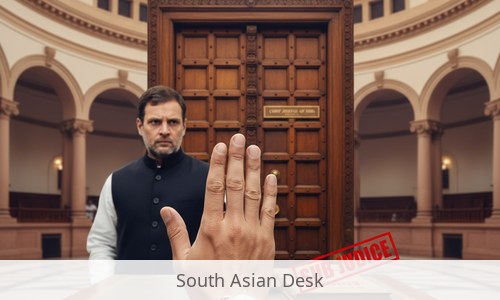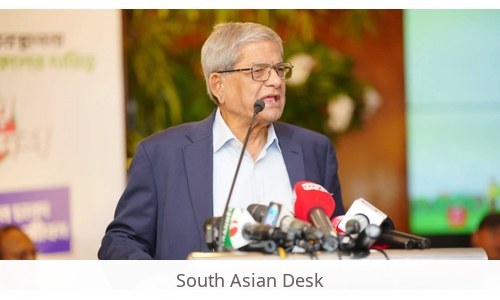
Bangladesh president election: On August 20, 2026, Bangladesh’s parliament elected Mirza Fakhrul Islam Alamgir as the country’s new president, filling the vacancy left by the resignation of former president Shahabuddin. The election, conducted by the Bangladesh ruling party, underscores its continued dominance in Bangladesh’s political landscape.
Bangladesh president election: Political Dynamics
Alamgir’s selection reflects internal dynamics within the Bangladesh ruling party, which has maintained a cohesive narrative around his leadership. Analysts note that his appointment reinforces party unity, though some opposition voices have raised concerns about the lack of broader political consultation. The ruling party’s control over the parliamentary vote highlights its entrenched influence in national governance structures.
This follows a pattern of centralized decision-making in Bangladesh’s political system, where the Bangladesh ruling party has historically consolidated power through strategic appointments and legislative majorities. The absence of a competitive electoral process for the presidency, which is indirectly elected by parliament, has long been a point of contention among critics who argue it undermines democratic principles. However, the ruling party frames such appointments as necessary for maintaining stability and continuity in governance.
Public Sentiment
Public reaction to Alamgir’s election has been mixed. While supporters emphasize his experience in public service, critics argue that the process lacks transparency. Surveys indicate that a significant portion of the population remains skeptical about the democratic legitimacy of the vote, particularly given the Bangladesh ruling party’s historical dominance in electoral processes.
This skepticism is rooted in Bangladesh’s political history, where presidential elections have often been seen as symbolic rather than competitive, with the ruling party’s candidates securing uncontested victories. Opposition groups have called for reforms to introduce more inclusive mechanisms for selecting national leaders, though such proposals have faced resistance from the ruling party. The current election, while not contested in parliament, has reignited debates about the need for constitutional amendments to ensure greater public participation in the selection of key national figures.
Foreign Policy Implications
Bangladesh foreign policy, particularly with India, is expected to remain a priority under Alamgir’s leadership. The Indian Express reports that Alamgir has maintained a pragmatic stance on bilateral ties, emphasizing economic cooperation and regional stability. However, the absence of significant policy shifts suggests continuity in Bangladesh’s strategic alignment with India. This alignment is crucial given the geopolitical dynamics of South Asia, where Bangladesh’s proximity to India and its reliance on Indian markets for trade and investment make bilateral relations a cornerstone of its foreign policy.
Alamgir’s tenure is likely to see continued collaboration on infrastructure projects, energy security, and counterterrorism efforts, areas where Bangladesh and India have historically cooperated. At the same time, Bangladesh’s engagement with other regional actors, such as China and Pakistan, may remain cautious, reflecting its desire to balance relationships without compromising its strategic interests.
Context and Regional Significance
Alamgir’s election comes at a time of evolving regional dynamics in South Asia. Bangladesh’s domestic policies, shaped by the Bangladesh ruling party’s agenda, will have implications for its role in regional organizations such as the South Asian Association for Regional Cooperation (SAARC). The country’s economic trajectory, including its efforts to diversify trade partnerships and attract foreign investment, will also influence its interactions with neighboring states.
Given the interconnected nature of South Asian economies, Bangladesh’s political developments are closely watched by regional stakeholders, particularly India, which views a stable and cooperative Bangladesh as essential for maintaining regional equilibrium.
Follow SouthAsianDesk on X, Instagram and Facebook for insights on business and current affairs from across South Asia.
Sources
- Bangladesh elects ruling party veteran Alamgir as president – aljazeera.com
- Who is Mirza Fakhrul Alamgir, Bangladesh President-elect? His stance on India and Sheikh Hasina – indianexpress.com
Image: images.indianexpress.com