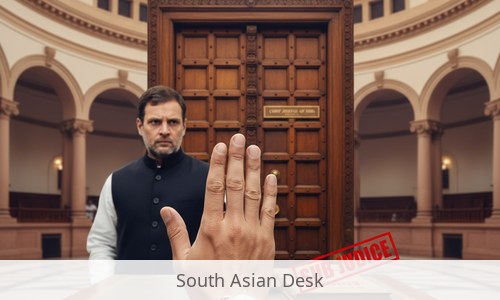
Bengal Circuit House eviction: TMC MP Mahua Moitra filed a writ petition under Article 32 of the Constitution on 2026-08-24, seeking urgent judicial intervention regarding her alleged unlawful eviction from the Nadia Circuit House in West Bengal. The Supreme Court is currently considering her plea, which raises critical questions about the balance between state authority and individual rights in India, particularly in the context of West Bengal political rights.
Bengal Circuit House eviction: Implications for State Authority
The eviction incident at the Nadia Circuit House has sparked renewed debate about the legal and constitutional boundaries of state actions toward political figures. Circuit House accommodations for legislators are governed by administrative protocols established under the Indian Constitution and parliamentary rules, though disputes over their enforcement remain rare. These facilities, typically allocated to legislators for convenience during legislative sessions or official duties, are meant to ensure functional governance without encroaching on individual rights. However, this case could set a precedent for how courts interpret the rights of elected representatives under the Indian Constitution, particularly in contexts where political tensions intersect with administrative decisions.
Historically, Circuit Houses have been used as temporary residences for legislators, especially when their constituencies are distant from the state capital. The allocation process is usually guided by administrative guidelines, though the specifics of these protocols are not always publicly detailed. Legal experts note that while the state government retains authority over administrative decisions, the Supreme Court has consistently emphasized that such actions must not infringe on constitutional rights. This case may compel the judiciary to clarify the extent to which political considerations can override procedural norms, particularly in regions with polarized political climates.
The Supreme Court’s handling of this petition may also influence broader governance practices in West Bengal. While the state government has not publicly commented on the eviction, legal experts suggest that the outcome could shape future interactions between state authorities and opposition legislators. In a state where political dynamics are often contentious, this case could serve as a litmus test for the judiciary’s role in mediating disputes between elected officials and administrative bodies. The ruling may also set a benchmark for how similar cases are adjudicated in other states, reinforcing the principle that no individual, regardless of political affiliation, is above the law.
Political Significance for TMC
As a senior TMC leader, Mahua Moitra’s legal challenge carries implications for the party’s political strategy in West Bengal. The eviction has been framed by TMC allies as an attempt to exert pressure on opposition figures, though the state government has not officially acknowledged this narrative. Analysts suggest that the case could amplify tensions between the ruling party and its critics, particularly if the Supreme Court’s ruling is perceived as favoring one side.
The TMC’s response to this legal action will likely reflect its broader approach to managing dissent within the state. If the court rules against the eviction, it may bolster the party’s image as a defender of democratic processes, reinforcing its commitment to constitutional governance. Conversely, a ruling in favor of the state could be leveraged to reinforce narratives about the need for stricter governance in administrative matters, particularly in scenarios where political considerations might influence administrative decisions.
This case also highlights the symbolic importance of Circuit House accommodations in Indian politics. For opposition legislators, such facilities are not merely logistical conveniences but also markers of political legitimacy and access to state resources. The eviction of a prominent TMC MP could be interpreted as a strategic move to undermine her influence or signal a broader crackdown on dissent. However, the Supreme Court’s intervention underscores the importance of legal recourse in safeguarding the rights of elected officials, regardless of their political affiliations.
Follow SouthAsianDesk on X, Instagram and Facebook for insights on business and current affairs from across South Asia.
The wider context of this developing story also includes Mahua Moitra Supreme Court.
This report focuses on Bengal Circuit House eviction and the verified developments surrounding it.
Sources
- TMC’s Mahua Moitra moves Supreme Court over late-night Bengal Circuit House eviction – indianexpress.com
- TMC MP Mahua Moitra moves Supreme Court alleging eviction from Nadia Circuit House in Bengal – thehindu.com
Image: images.indianexpress.com