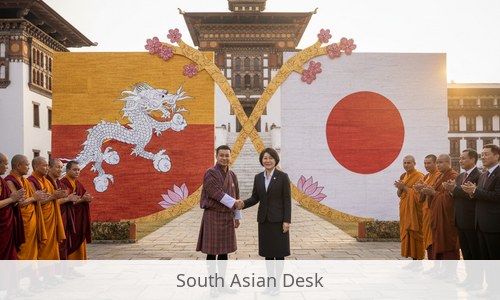
Bhutan-Japan diplomatic relations have reached a significant milestone as the two nations marked four decades of diplomatic ties with a symposium in Thimphu. The event, held on October 12, 2026, emphasized the importance of community cooperation between Bhutan and Japan, with education, youth development, and infrastructure projects forming the core of bilateral discussions. This anniversary highlights the enduring partnership between Bhutan and Japan, rooted in shared values of sustainability and regional stability.
Bhutan-Japan Diplomatic Relations: Key Areas of Collaboration
The symposium underscored the critical role of Bhutan-Japan education initiatives in strengthening the bilateral relationship. Both nations pledged to expand access to quality learning resources, including digital education platforms and teacher training programs. Youth development Bhutan Japan was also a central theme, with plans to launch cross-border mentorship programs and cultural exchange initiatives aimed at fostering mutual understanding. Community improvement projects, such as rural infrastructure upgrades and environmental conservation efforts, were identified as shared priorities, reflecting a commitment to sustainable development. Specific proposals included the creation of a joint educational task force to address gaps in access to quality education, the development of bilingual curricula, and the exchange of academic staff to enhance pedagogical practices.
Historical Context of Bhutan-Japan Relations
The diplomatic relationship between Bhutan and Japan dates back to 1986, with Japan’s early support for Bhutan’s hydropower development and disaster relief efforts marking key milestones. Over the years, this partnership has evolved into a model of community-focused cooperation, aligning with broader South Asia diplomacy goals. The Thimphu symposium served as a platform to reaffirm these ties, emphasizing how smaller nations can leverage strategic alliances to address regional challenges. Historical collaborations, such as Japan’s assistance in building Bhutan’s first major hydropower plant in the 1990s, laid the groundwork for a partnership that now spans infrastructure, education, and environmental stewardship.
Future Prospects
Looking ahead, both nations expressed optimism about expanding community initiatives, particularly in education and youth empowerment. Analysts suggest this partnership could strengthen regional stability by fostering cross-border collaboration in areas critical to South Asia’s development agenda. The symposium also highlighted the potential for increased cultural and economic exchanges, further solidifying the foundation of Bhutan-Japan diplomatic relations. Future projects may include joint research initiatives on renewable energy, vocational training programs tailored to the needs of rural communities, and expanded digital literacy campaigns to bridge the technological divide.
The Role of the Thimphu Symposium in South Asia Diplomacy
The Thimphu symposium not only celebrated the 40th anniversary of Bhutan-Japan diplomatic relations but also positioned the two nations as key players in Asian diplomacy. By focusing on community cooperation between Bhutan and Japan, the event demonstrated how bilateral ties can serve as a blueprint for regional collaboration. Discussions included the integration of Bhutan’s unique environmental policies with Japan’s technological expertise, creating a synergy that benefits both countries and the broader region. The symposium’s emphasis on grassroots-level engagement aligns with South Asia’s growing emphasis on inclusive development and cross-border partnerships.
Youth Development Bhutan Japan: A Shared Vision
Youth development in Bhutan and Japan was a recurring theme throughout the symposium, with both nations recognizing the importance of investing in the next generation. Programs such as joint research projects, vocational training, and cultural immersion programs were proposed to bridge generational and cultural gaps. These initiatives aim to create a pipeline of skilled professionals who can contribute to the economic and social development of both nations. Specific proposals included the establishment of a youth exchange program allowing students to study in each other’s countries, as well as mentorship schemes pairing young professionals from Bhutan and Japan in fields such as engineering, agriculture, and environmental science.
Bhutan Japan Education Initiatives: Building a Knowledge-Based Future
Bhutan-Japan education initiatives were highlighted as a cornerstone of the bilateral relationship. The symposium proposed establishing a joint educational task force to identify gaps in access to quality education and develop targeted solutions. This includes the creation of bilingual curricula, the exchange of academic staff, and the development of online learning platforms that cater to the needs of remote communities in both countries. The initiative also aims to incorporate Bhutan’s traditional knowledge systems into modern curricula, ensuring that education remains culturally relevant while fostering innovation and global competitiveness.
Follow SouthAsianDesk on X, Instagram and Facebook for insights on business and current affairs from across South Asia.